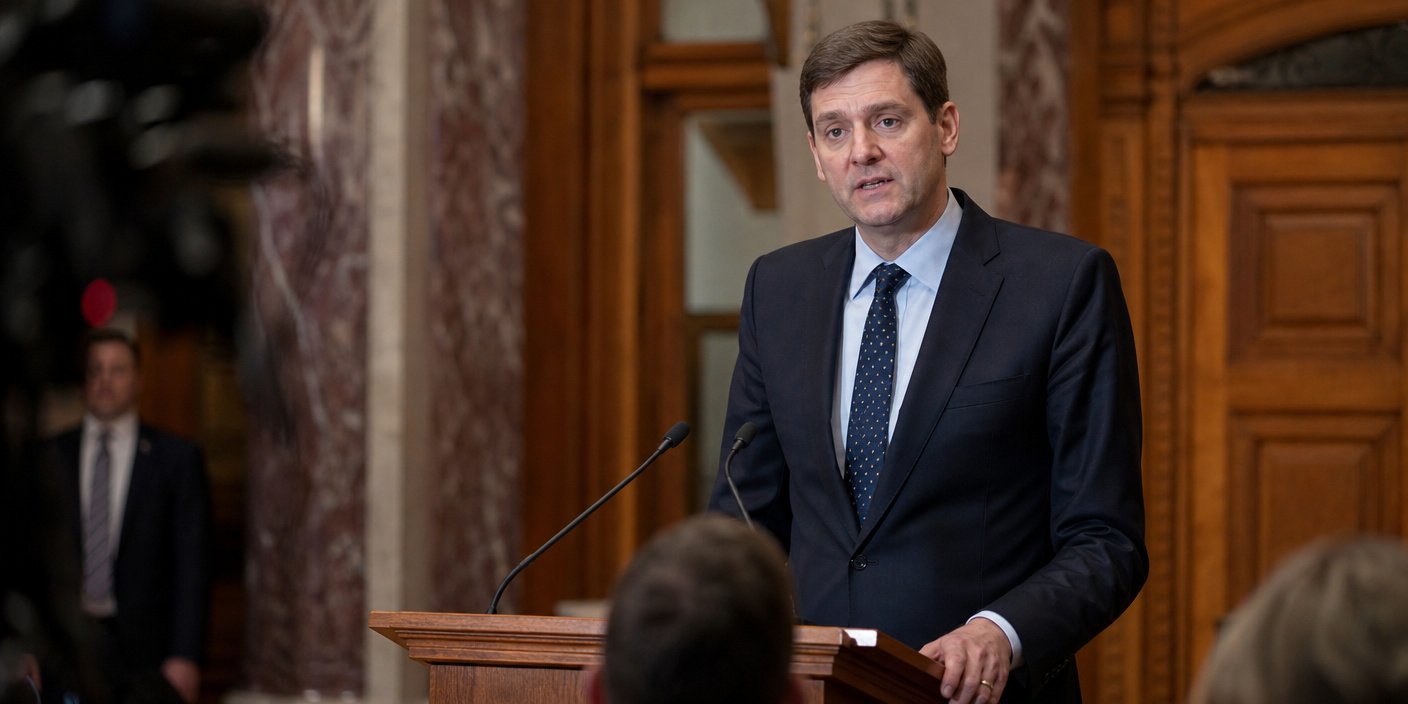
British Columbia’s political landscape shifted dramatically today as Premier David Eby officially announced his resignation as leader of the B.C. New Democratic Party (NDP). The announcement comes in the immediate wake of a stinging defeat in the provincial general election, which saw the incumbent party lose its governing mandate. Eby, who has served as the face of the party during this high-stakes election cycle, confirmed that he will step aside to allow for new leadership, effectively ending his tenure as the head of the party.
Key Highlights
- Premier David Eby has formally conceded the election results and stepped down from the NDP leadership.
- The resignation triggers an immediate leadership race within the party to determine the next face of the opposition.
- The election outcome marks a major pivot in British Columbia’s provincial politics, ending the current NDP administration’s tenure.
- Eby has stated his intention to remain as a caretaker leader until a successor is chosen by the party membership.
The Vacuum of Power: Navigating a Post-Eby Landscape
The resignation of David Eby is not merely a personnel change; it is a structural realignment of the Legislative Assembly of British Columbia. For the past several years, the NDP has dominated the provincial conversation, driving aggressive housing policies, healthcare reforms, and infrastructure projects. With the party’s loss at the ballot box—a result that stunned many political analysts who anticipated a tighter race—the departure of the leader was seen by party insiders as the only path forward for renewal.
The Anatomy of the Defeat
Analysts looking at the data suggest that voter fatigue and frustration with cost-of-living metrics played a significant, perhaps decisive, role in the election outcome. While the NDP platform focused on long-term sustainability and social safety nets, the electorate signaled a clear desire for a change in direction. The shift was particularly acute in the suburban districts that ultimately decided the makeup of the legislature. Eby, in his concession, acknowledged the complexity of the message sent by voters, noting that the mandate to govern had been clearly withdrawn.
The Transition Period and Party Stability
As Eby moves into a caretaker role, the internal machinery of the B.C. NDP is already grinding into gear to prepare for a leadership convention. The challenge for the party will be twofold: maintaining a coherent opposition in the legislature while simultaneously conducting a rigorous debate about its future ideological trajectory. The caretaker phase is a delicate time; it requires the party to hold the new government accountable without the leverage that comes with being the party in power. This period will likely see internal debates regarding whether the party should double down on its progressive roots or pivot toward a more centrist approach to regain suburban appeal.
Historical Context of the NDP Shift
The history of the B.C. NDP is one of pendulum swings—periods of governance often followed by cycles of deep introspection while in opposition. Eby’s tenure, though shortened by this election loss, was defined by an aggressive legislative pace. Observers note that his departure leaves a massive hole in the party’s strategic depth. Whoever steps into the leadership void will inherit not just a political party, but a complex legacy of policy decisions that the new provincial government will now have the power to either amend, pause, or dismantle entirely.
Economic and Social Policy Implications
The most immediate concern for businesses, labor unions, and civil society organizations is the uncertainty surrounding pending legislation. With a change in power and the departure of the primary architect of the previous administration’s agenda, sectors ranging from natural resources to urban development face a period of volatility. Investors and policy advocates alike are looking to the transition to see which of the former administration’s policies will survive the turnover. The economic environment in British Columbia, already straining under inflation and supply chain pressures, will now need to adjust to a new legislative roadmap.
FAQ: People Also Ask
1. What happens to the B.C. NDP while they are without a permanent leader?
During this transition, the party will appoint an interim leader. This individual will handle the duties of the Leader of the Official Opposition in the legislature, ensuring the party remains an active check on the new government while the process for electing a permanent successor is established.
2. Will David Eby remain a member of the Legislative Assembly?
Yes, for the time being, Eby is expected to remain in his seat as a Member of the Legislative Assembly (MLA) for his district, serving as a representative for his constituents while the party undergoes its leadership transition.
3. How does the leadership race process work?
Typically, the B.C. NDP will strike a leadership committee to establish the rules, timeline, and candidate eligibility criteria. The process involves a membership-wide vote, ensuring that the next leader has the backing of the grassroots base of the party.
4. What does this mean for the future of current B.C. NDP policies?
The incoming government is not bound by the previous administration’s commitments. While the new government may keep some popular programs, the resignation of the NDP leader and the loss of power mean that significant shifts in housing, healthcare, and environmental regulations are highly likely in the coming months.