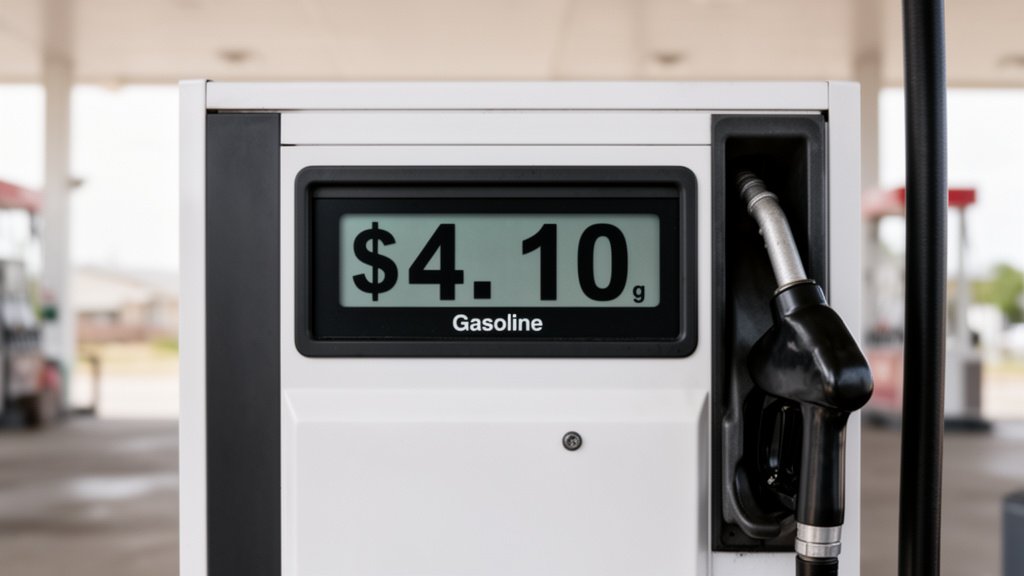
Gasoline prices across the United States have reached a critical juncture in mid-August, with the national average climbing to $4.10 per gallon. This shift comes as global crude oil prices remain in flux, placing significant pressure on the fuel supply chain and impacting consumer wallets nationwide. While the national average reflects a broader trend of economic tightening, the West Coast remains the most expensive market in the country, with California, Washington, and Oregon continuing to lead the upward trajectory.
Key Highlights
- National Average Peak: The national average for a gallon of regular unleaded gasoline has officially reached $4.10.
- California Price Surge: California leads the nation with an average of $5.59 per gallon, marking a one-cent increase week-over-week.
- Regional Disparities: The West Coast continues to experience the highest prices due to unique state-level refining standards and market isolation.
- Primary Catalyst: Analysts identify persistent fluctuations in global crude oil prices as the foundational driver of the current retail price hike.
The Anatomy of the Fuel Price Spike
The current price environment is characterized by the complex interaction between global commodity markets and local infrastructure constraints. As crude oil accounts for roughly 50% to 60% of the cost of a gallon of gasoline, any volatility in the energy sector is almost immediately reflected at the pump. When crude prices hover at higher baselines, retailers are forced to adjust their margins to compensate for the elevated procurement costs. This, combined with the logistical challenges of transporting fuel, has cemented the $4.10 national average as a significant economic indicator for late summer travel and commerce.
The West Coast Outlier
California’s position at $5.59 per gallon—an increase of one cent over the previous week—serves as a case study in market isolation. The state’s reliance on the California Air Resources Board (CARB) mandated fuel blends restricts imports and exports of gasoline, effectively creating a closed-loop market. When regional refineries undergo maintenance or face operational disruptions, the supply cannot be easily augmented by imports from other regions, leading to the sustained price premium compared to the rest of the nation.
The Crude Oil Variable
Global geopolitical tensions and production cuts by major oil-producing nations remain the primary variables destabilizing crude prices. As the energy market anticipates potential changes in supply, the futures market remains reactionary. Investors are closely monitoring inventory data from the U.S. Energy Information Administration (EIA), as any unexpected draw in domestic stockpiles typically triggers immediate upward pressure on futures, eventually reaching the consumer in the form of higher prices at the pump.
Economic Impact and Consumer Behavior
For the average consumer, this $4.10 benchmark represents a tangible tightening of discretionary spending. Historical data suggests that when gas prices remain elevated for prolonged periods, households tend to adjust their commuting patterns and leisure travel. Furthermore, the transportation sector—vital for the movement of goods—faces increased operational costs, which can exert inflationary pressure on the price of consumer goods transported by road.
FAQ: People Also Ask
Q: Why are gas prices on the West Coast consistently higher than the rest of the U.S.?
A: West Coast states, particularly California, use unique, environmentally specific fuel blends mandated by state regulators. Because these blends are not produced elsewhere, the region cannot easily import fuel from other parts of the country during supply shortages, creating a supply bottleneck.
Q: How do crude oil fluctuations impact the price I pay at the pump?
A: Crude oil is the primary raw material for gasoline. When the cost of a barrel of crude rises, the cost to refine, transport, and distribute that fuel increases. Retail stations generally pass these costs on to consumers to maintain their margins.
Q: Is the $4.10 national average expected to drop soon?
A: Fuel price trends are highly dependent on global oil supply and refining capacity. Unless there is a sustained decrease in crude prices or a significant increase in refinery output, prices are likely to remain volatile in the near term.
Q: What role do refineries play in the current pricing?
A: Refineries are the production hubs where crude oil is converted into gasoline. If refineries undergo maintenance, face unplanned outages, or operate at reduced capacity, the reduction in supply relative to demand forces retail prices to rise.