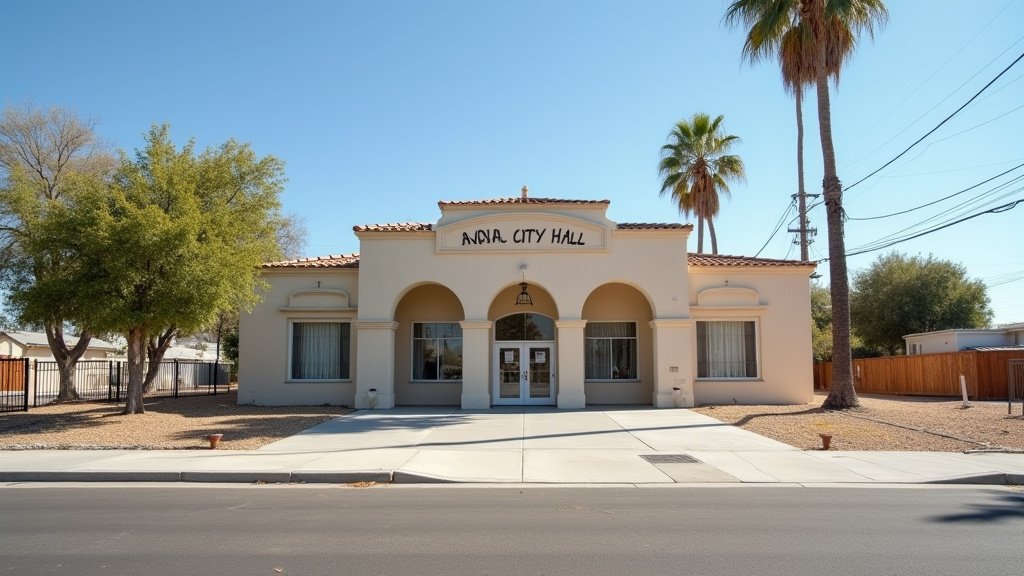
In the small, sun-drenched town of Avenal, California, the democratic process has hit a bizarre and potentially illegal roadblock. Following a decisive recall election that stripped several sitting city council members of their mandates, the town now faces a profound governance crisis: the ousted officials are refusing to leave office. This development has transformed what should be a routine transition of power into a tense standoff that tests the boundaries of California’s municipal election laws and the sanctity of local governance.
Key Highlights
- Democratic Mandate Ignored: Avenal voters successfully passed a recall measure to remove council members, yet those officials remain in their seats, claiming the results are invalid.
- Legal Paralysis: The refusal to vacate has effectively halted standard city business, as the legal standing of any council votes cast by the recalled members is now in question.
- The Quo Warranto Mechanism: Legal experts suggest that the state Attorney General or a local prosecutor may need to intervene via a ‘quo warranto’ action to physically or legally remove the holdovers.
- Community Tension: The impasse has deeply divided the Kings County community, raising concerns about the potential cost of litigation and the integrity of future elections.
Anatomy of a Municipal Standoff: The Avenal Crisis
The fundamental premise of any democratic system is the peaceful transfer of power. When voters cast ballots to recall elected representatives, the certification of those results by the county registrar of voters is intended to serve as the definitive final act. In Avenal, however, that act has been met with defiance. The recalled council members have chosen to disregard the will of the electorate, creating a constitutional crisis at the municipal level that demands immediate scrutiny.
The Legal Framework of California Recalls
California law is explicit regarding recall elections. Once a registrar of voters certifies the election results, the office of the recalled official becomes vacant or is filled by a designated successor, depending on the specific circumstances of the election. By refusing to acknowledge the certification, the recalled members are not merely being obstructionist; they may be engaging in the unauthorized exercise of public office.
Under the California Elections Code, the transition period following a recall is strictly defined to prevent the exact situation now unfolding in Avenal. When an official refuses to acknowledge their removal, they effectively render the city’s legislative body illegitimate. This creates a ‘legal void’ where contracts, budget approvals, and municipal ordinances passed by the council during this period of defiance face immediate legal vulnerability. Any action taken by these members—who, in the eyes of the law, are no longer authorized representatives—could be challenged in court, leading to massive financial liability for the city.
The Economic and Operational Impact
Beyond the political drama, the operational consequences for Avenal are severe. A city council is not merely a political body; it is a fiduciary one. It authorizes the city’s budget, approves public works, and manages municipal contracts. With a council composition in dispute, the city’s creditworthiness and legal standing are jeopardized.
Vendors doing business with Avenal must now navigate a landscape of uncertainty. Can the city pay invoices signed by a council whose authority is in question? This uncertainty can lead to service disruptions, delayed infrastructure projects, and the potential withdrawal of investment from local contractors who fear the legal entanglements associated with a paralyzed administration. The economic ripple effect of this governance vacuum acts as a direct tax on the local population.
The Path to Resolution and Precedents
History is rarely kind to those who attempt to occupy public office after being voted out. While the situation in Avenal feels unprecedented to local residents, legal history offers a roadmap for how this conflict will inevitably resolve. In most instances where officials refuse to step down, the judiciary is forced to intervene.
The Role of the County Sheriff and District Attorney
In extreme cases, the refusal to surrender an office can be classified as a misdemeanor or even a felony related to the willful disobedience of a lawful process. If the recalled members continue to occupy their seats, the Kings County District Attorney may be forced to initiate ‘quo warranto’ proceedings. This is a special legal action used to challenge an individual’s right to hold a public office.
If the court rules in favor of the recall—which is highly probable given the clear results of the electoral process—the court order effectively acts as an eviction notice. At that juncture, the sheriff’s department would be the enforcement arm tasked with ensuring the recalled officials vacate the premises. It is a slow, bureaucratic process, but it is one that effectively ends the careers of politicians who choose to fight the democratic process rather than accept the will of the people.
Lessons for Local Governance
This crisis serves as a stark reminder of the fragility of local institutions. Unlike state or federal governments, which have robust mechanisms to handle transitions, small towns often rely on the assumption of good faith. Avenal’s current situation highlights a potential loophole: what happens when that ‘good faith’ is broken?
Legislative bodies across California may need to revisit their municipal codes to establish automatic triggers that remove an official’s access to municipal systems, bank accounts, and voting credentials the moment a recall is certified. By failing to have these ‘hard switches’ in place, cities leave themselves vulnerable to the whims of individuals who refuse to recognize the authority of the voters who put them there in the first place.
FAQ: People Also Ask
Can a recalled official technically stay in office?
No. Once a recall election is certified by the appropriate election board, the official’s term ends immediately. Any attempt to remain is legally unauthorized and typically constitutes trespassing or the illegal usurpation of public office.
What happens to city business while the council is in limbo?
Business effectively grinds to a halt. Because the legitimacy of the council is in dispute, any votes taken—including budget approvals or zoning changes—are legally toxic. This places the city in a state of paralysis, often forcing the hand of local prosecutors to intervene.
What legal actions are available to the city?
Aside from criminal proceedings, the most common route is a ‘quo warranto’ lawsuit. This legal mechanism specifically addresses the question of ‘by what warrant’ an individual holds office, allowing the courts to forcefully remove officials who refuse to relinquish their seats.
Does this set a precedent for other towns?
While not a legal precedent, it serves as a ‘how-to’ guide on what not to do. Most towns and counties will likely use this incident to review their bylaws to ensure that access to official channels is digitally and physically revoked the moment an election is certified.