Most Hawaiʻi public schools are set to reopen on Tuesday, August 18, signaling a significant step toward normalcy following the disruptive impact of Hurricane Lala. While the state government and local utility providers move forward with restoration, the transition remains complex, with approximately 6,000 residents on the island of Maui currently grappling with power outages. The Hawaii Department of Education (HIDOE) has been coordinating closely with emergency management officials to ensure that facilities are safe, structurally sound, and ready to welcome students back after the storm’s passage.
Key Highlights
- Return to Classroom: Following the passage of Hurricane Lala, the vast majority of Hawaiʻi public schools are scheduled to resume operations on Tuesday, August 18.
- Infrastructure Challenges: Despite the reopening of schools, approximately 6,000 residents on Maui remain without electricity, highlighting the disparity in recovery speeds across the archipelago.
- Safety Protocol Integration: HIDOE officials have conducted extensive safety inspections across school campuses to mitigate risks, including debris removal and power verification.
- Ongoing Vigilance: While schools resume, local authorities urge continued vigilance as grid restoration efforts continue for affected communities.
Navigating the Return: Hawaii’s Path to Classroom Stability
The decision to resume public education operations across the state represents a calculated effort to balance the need for instructional continuity with the ongoing realities of disaster recovery. Following the landfall and subsequent impact of Hurricane Lala, the Hawaii Department of Education (HIDOE) initiated a comprehensive assessment protocol. This involved evaluating the structural integrity of school buildings, the accessibility of transportation routes, and the operational stability of local power grids serving school zones. The decision to finalize Tuesday, August 18, as the reopening date was arrived at after verifying that the majority of public school facilities met the state’s stringent safety requirements. However, this administrative milestone does not overlook the persistent challenges faced by many families, particularly on Maui, where the road to full power restoration is ongoing.
The HIDOE Response Plan
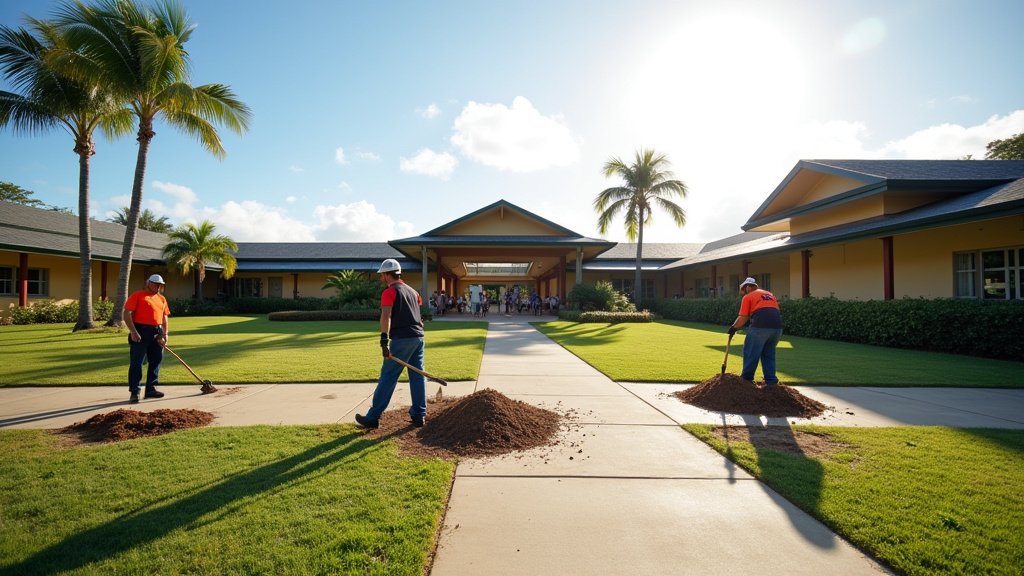
In the immediate wake of Hurricane Lala, the HIDOE faced the monumental task of securing facilities across multiple islands. The department utilized a tiered assessment approach, prioritizing schools that serve as critical infrastructure or those located in high-traffic zones. This process involved collaboration with the Federal Emergency Management Agency (FEMA) and local civil defense units to clear debris and identify potential hazards such as downed power lines or structural damage to roof systems. Superintendents across districts emphasized that the safety of students and staff remained the non-negotiable priority. By working through the weekend, maintenance crews were able to clear the majority of blocked access roads and restore necessary utilities to school campuses, allowing the district to announce the Tuesday reopening schedule. This rapid turnaround is part of a broader resilience strategy intended to minimize learning loss, which remains a primary concern for the state education board.
Maui’s Power Restoration Challenges
While the education system is preparing to restart, the situation on the ground in Maui illustrates the broader regional impact of the storm. Approximately 6,000 residents on the island remain without power, a lingering consequence of Hurricane Lala’s high-wind gusts and localized infrastructure failure. The discrepancy between the state’s ability to open schools and the households still left in the dark creates a nuanced reality for families. For many parents, the reopening of schools on Tuesday acts as a double-edged sword: it provides necessary childcare and academic structure, yet it also forces families to navigate school drop-offs and routines without the benefit of household electricity. Local utility providers, such as Hawaiian Electric, have deployed additional line crews to Maui to accelerate the restoration process. The HIDOE has advised families in affected zones to communicate directly with their school administrators if the lack of power prevents their children from attending classes, ensuring that attendance flexibility is maintained during this transitional phase.
Economic and Social Implications of School Closures
The pause in daily operations caused by Hurricane Lala had a quantifiable ripple effect on the local economy. Beyond the immediate concern of interrupted education, school closures necessitate that many working parents take time off, impacting labor availability in industries ranging from retail to tourism. The reopening of schools on Tuesday serves as a catalyst for economic recovery, as it allows caregivers to return to the workforce. Economists note that for an island-based economy, the rapid resumption of educational services is vital not just for the students, but for the labor market’s stabilization. Furthermore, the school system often acts as a community hub, offering services such as student nutrition programs. Reopening these facilities means re-establishing access to school lunches and breakfast programs, which are essential for families struggling with the recent economic disruptions caused by the storm.
Strengthening Infrastructure Against Future Storms
As the state moves past the immediate threat of Hurricane Lala, there is growing discourse regarding the resilience of Hawaii’s public school infrastructure. The event has reignited conversations between the HIDOE and state legislators regarding the necessity of hardening school facilities. This includes investment in independent solar-plus-battery storage systems for schools, which would allow them to remain operational—or act as emergency shelters—even when the larger grid fails. By analyzing the data from this most recent event, the state aims to identify specific vulnerabilities in the current school architecture. The focus is shifting from reactive disaster management to proactive infrastructure investment. By securing schools against future meteorological events, the state hopes to reduce the length of closures and provide a more stable learning environment for Hawaii’s youth, regardless of the severity of upcoming storm seasons.
FAQ: People Also Ask
Why are schools opening while some residents are still without power?
The Hawaii Department of Education assesses school campuses independently of residential power grids. Schools prioritized for reopening have verified access to stable power, clean water, and safe structural conditions, allowing them to function even while neighboring residential areas await restoration.
What should parents do if their household is still without power?
HIDOE recommends that families experiencing ongoing power outages contact their specific school’s administration. Schools are prepared to provide flexibility regarding attendance and are working to support students who may be affected by the home-based power issues.
Is Hurricane Lala still considered a threat to the state?
No, while the recovery from Hurricane Lala is ongoing, the storm has passed. Authorities are now focused entirely on the restoration and cleanup phase, with all emergency evacuation orders having been lifted prior to the announcement of school reopenings.
How were the school reopening decisions made?
Decisions were made by the HIDOE in conjunction with the Maui County Emergency Management and regional safety officials. Each campus underwent a rigorous physical inspection to ensure that access routes were clear, buildings were structurally sound, and all utility connections were safe for student occupation.