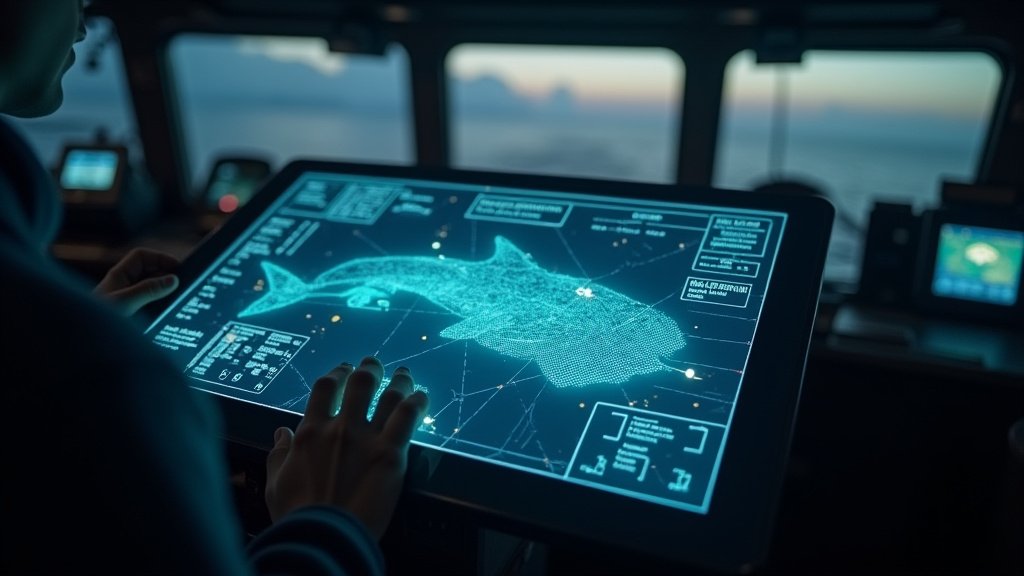
San Francisco Bay is implementing new ship alert systems to mitigate the increasing risk of whale strikes as more cetaceans are observed in the busy waterway. This proactive measure aims to enhance the safety of both marine life and maritime traffic in this critical ecological zone.
Key Highlights:
- Increased whale sightings in San Francisco Bay necessitate enhanced safety protocols.
- New alert systems will warn ships of nearby whale presence.
- The initiative seeks to reduce the risk of fatal collisions between vessels and whales.
- Collaboration between maritime authorities and conservation groups is crucial for success.
Navigating the Waters: A New Era of Maritime Safety
The resurgence of whale populations, particularly humpback and blue whales, in San Francisco Bay presents a complex challenge for maritime operations. These majestic creatures, drawn to the nutrient-rich waters of the bay, now face a heightened risk of collision with the numerous commercial vessels, ferries, and recreational boats that ply these routes daily. In response, a vital new ship alert system has been developed and is being rolled out, signaling a significant step forward in marine mammal protection within this heavily trafficked urban estuary.
The Growing Whale Presence
For years, conservationists have noted a trend of whales venturing closer to coastlines and into bays and harbors worldwide, a phenomenon attributed to factors such as shifts in prey distribution due to climate change, and a general recovery of whale populations. San Francisco Bay, with its abundant krill and small fish, has become an increasingly attractive feeding ground. However, this increased presence brings marine mammals into direct conflict with one of the busiest shipping lanes in the United States. The sheer volume of ship traffic, coupled with the often-limited visibility and the marine life’s own migratory behaviors, creates a precarious environment.
Introducing the Alert System
The newly developed alert system is designed to provide real-time information to mariners. Utilizing a combination of acoustic monitoring, visual sightings reported by whale watching tours and researchers, and potentially other sensor technologies, the system will identify when whales are detected within or approaching key shipping channels. Once confirmed, an alert will be broadcast to all vessels operating in the area, advising them to slow down, alter course, or maintain a safe distance. This system is a critical component of a broader strategy to create whale-safe shipping lanes, building on similar initiatives implemented in other regions facing similar challenges.
The Stakeholders and the Science
This effort represents a significant collaboration between various entities, including the National Oceanic and Atmospheric Administration (NOAA), the San Francisco Bay Conservation and Development Commission (BCDC), maritime industry representatives, and environmental advocacy groups. Scientists from institutions like the Marine Mammal Center and the Sea Mammal Research Unit are providing essential data on whale behavior, migration patterns, and the specific risks associated with different vessel types and speeds. Understanding the nuances of whale acoustics and their reactions to vessel noise is also a key area of research informing the alert system’s design and deployment. The effectiveness of such systems often hinges on the accuracy and timeliness of the data fed into them, as well as the mariners’ adherence to the advisories.
Historical Context and Future Outlook
Whale strikes are not a new problem, but the increased frequency and visibility in areas like San Francisco Bay have elevated the issue to a prominent concern. Historically, efforts to mitigate whale strikes have often focused on seasonal closures of certain areas or speed restrictions, which can be disruptive to shipping. The development of dynamic alert systems like the one being implemented in San Francisco offers a more adaptive and potentially less intrusive solution. This approach allows for continuous monitoring and targeted advisories, balancing the needs of commerce with the imperative of conservation. Looking ahead, the success of this program could serve as a model for other major ports and coastal areas grappling with the increasing presence of marine mammals in human-dominated waters.
FAQ: People Also Ask
Why are whales suddenly appearing in San Francisco Bay more often?
Whales are appearing more frequently in San Francisco Bay due to a combination of factors including the recovery of whale populations, shifts in the distribution of their prey (like krill and small fish) potentially linked to climate change, and the bay’s rich feeding grounds. This makes it an attractive, albeit risky, feeding area.
What are the main risks associated with whales in shipping lanes?
The primary risk is a ‘whale strike,’ where a vessel collides with a whale. These collisions can be fatal for the whale and can also cause significant damage to the vessel, posing a safety hazard to the ship’s crew and passengers.
How does the new ship alert system work?
The system uses a combination of detection methods, such as acoustic sensors and visual sightings, to identify whales in or near shipping lanes. Once detected, alerts are broadcast to nearby vessels, advising them to slow down, change course, or maintain a safe distance to avoid a collision.
Who is involved in developing and implementing this whale alert system?
This initiative involves a collaborative effort between several organizations, including government agencies like NOAA and BCDC, the maritime industry, environmental conservation groups, and marine science research institutions that provide crucial data and expertise.