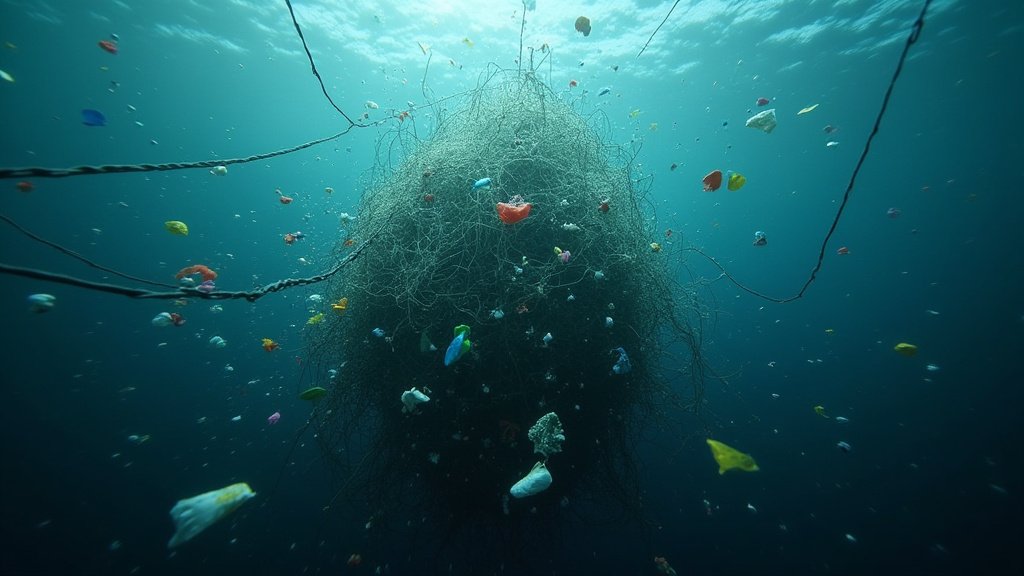
World Oceans Day serves as a critical reminder of the immense biodiversity within our oceans and the urgent need for conservation efforts to combat threats like pollution, overfishing, and climate change. This year’s observances highlight the interconnectedness of ocean health and human well-being, emphasizing sustainable practices and species preservation.
Key Highlights:
- Global focus on the critical state of marine ecosystems.
- Emphasis on sustainable fisheries and reducing plastic pollution.
- Call for increased international cooperation on ocean conservation.
- Highlighting the role of marine protected areas in biodiversity recovery.
- Educational initiatives promoting ocean literacy among the public.
Safeguarding Our Blue Planet: A Call to Action
World Oceans Day has evolved into a global platform to raise awareness about the vital role oceans play in our planet’s health and the myriad threats they face. From the deepest trenches to coastal shallows, marine life is under unprecedented pressure. Pollution, particularly plastic waste, continues to choke marine environments, harming wildlife and entering the food chain. Overfishing depletes fish stocks faster than they can replenish, threatening food security and delicate ecological balances. Furthermore, the accelerating impacts of climate change, including ocean acidification and rising sea temperatures, are causing widespread coral bleaching and disrupting marine habitats.
The Impact of Human Activity
The consequences of unchecked human activity are stark. Millions of tons of plastic enter the oceans annually, creating vast garbage patches and causing entanglement and ingestion by marine animals. Industrial runoff and agricultural fertilizers contribute to nutrient pollution, leading to eutrophication and the creation of oxygen-depleted dead zones. Destructive fishing practices, such as bottom trawling, decimate seabed ecosystems that can take centuries to recover. The acidification of ocean waters, a direct result of absorbing excess atmospheric carbon dioxide, poses a severe threat to shell-forming organisms like corals, oysters, and plankton, which form the base of many marine food webs.
Innovative Solutions and Policy Initiatives
In response to these challenges, World Oceans Day spotlights innovative solutions and policy advancements. The establishment and expansion of Marine Protected Areas (MPAs) are proving effective in allowing ecosystems to recover and fish populations to rebound. Scientists are developing novel approaches to plastic waste management, including advanced recycling technologies and biodegradable alternatives. Sustainable aquaculture practices are gaining traction as a way to meet seafood demand without further depleting wild stocks. International agreements and collaborations, such as those under the United Nations Environment Programme (UNEP), are crucial for coordinated global action against transboundary pollution and illegal fishing.
The Economic and Social Imperative
Beyond the environmental crisis, the health of our oceans is intrinsically linked to global economies and human societies. Fisheries and aquaculture provide livelihoods for hundreds of millions of people and are a primary source of protein for billions. Coastal tourism and recreation generate significant revenue for many nations. Moreover, healthy oceans play a crucial role in regulating climate patterns and producing a substantial portion of the Earth’s oxygen. Protecting these vital resources is not merely an environmental concern; it is an economic and social imperative for sustainable development and global stability.
Empowering Future Generations
Education and public engagement are central to fostering a culture of ocean stewardship. Initiatives that promote ocean literacy from a young age are vital for cultivating a generation that understands and values marine ecosystems. Citizen science projects, beach cleanups, and advocacy campaigns empower individuals to contribute directly to conservation efforts. By raising awareness and inspiring action, World Oceans Day aims to galvanize collective responsibility for the future health of our planet’s most extensive and vital resource.
FAQ: People Also Ask
What are the biggest threats to the oceans today?
The biggest threats include plastic pollution, overfishing, climate change (leading to ocean warming and acidification), habitat destruction, and chemical pollution from industrial and agricultural runoff.
How can individuals help protect the oceans?
Individuals can help by reducing their plastic consumption, participating in or organizing beach cleanups, choosing sustainable seafood, reducing their carbon footprint, and supporting organizations dedicated to marine conservation.
What is the importance of Marine Protected Areas (MPAs)?
MPAs are designated areas where human activities are restricted to protect marine ecosystems. They are crucial for allowing marine life to recover, enhancing biodiversity, and can help fish stocks to replenish, benefiting surrounding fisheries.
How does climate change affect ocean health?
Climate change causes oceans to absorb excess heat, leading to rising sea temperatures, and to absorb excess carbon dioxide, causing ocean acidification. Both phenomena harm marine life, leading to coral bleaching, disrupting food webs, and impacting the ability of shell-forming organisms to survive.
What is ocean acidification and why is it a problem?
Ocean acidification is the decrease in the pH of the Earth’s oceans, caused by the uptake of anthropogenic carbon dioxide from the atmosphere. It is a problem because it hinders the ability of marine organisms such as corals, oysters, and plankton to build and maintain their shells and skeletons, threatening entire marine ecosystems.