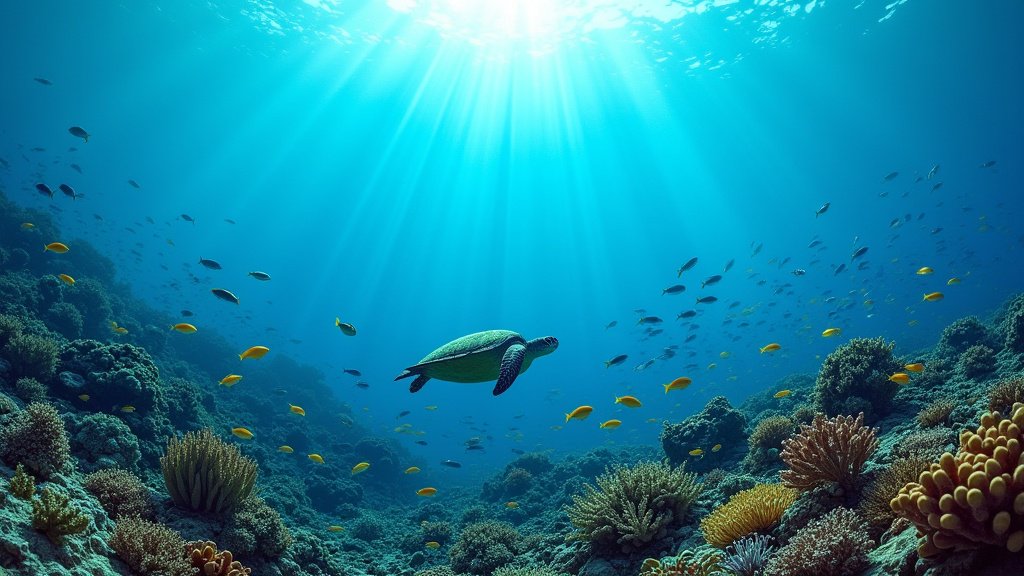
World Oceans Day serves as a crucial reminder of the vital role oceans play in our planet’s health and the urgent need for conservation efforts to protect marine species and ecosystems.
Key Highlights:
- Global initiatives are focusing on reducing plastic pollution and its impact on marine life.
- Efforts are underway to establish and expand marine protected areas to safeguard biodiversity.
- Sustainable fishing practices are being promoted to prevent overfishing and ecosystem collapse.
- Climate change mitigation is recognized as essential for ocean health, particularly concerning coral reefs and ocean acidification.
The Blue Imperative: Protecting Our Oceans for Future Generations
The vast expanse of our oceans, covering over 70% of the Earth’s surface, is the lifeblood of our planet. On World Oceans Day, the global community renews its commitment to understanding, protecting, and restoring these vital ecosystems. This year’s observances underscore a critical juncture, where concerted action is paramount to combat the escalating threats of pollution, overfishing, habitat destruction, and climate change. The health of our oceans directly influences global climate patterns, provides essential food sources for billions, and supports immense biodiversity, much of which remains undiscovered.
Combating the Plastic Tide
Plastic pollution continues to be a pervasive and devastating threat to marine life. From microscopic plastic particles to large debris, these materials entangle, choke, and poison countless marine animals, including sea turtles, seabirds, and whales. Organizations worldwide are intensifying efforts to curb single-use plastics, improve waste management infrastructure, and develop innovative cleanup technologies. The focus is on a circular economy approach, aiming to reduce plastic production and waste at its source.
Expanding Marine Sanctuaries
The establishment and effective management of Marine Protected Areas (MPAs) are cornerstones of species preservation. MPAs act as critical refuges where marine life can thrive, free from the pressures of fishing and other extractive activities. These areas are essential for rebuilding fish stocks, protecting vulnerable habitats like coral reefs and seagrass beds, and enhancing the resilience of marine ecosystems to climate change. International cooperation is key to creating a globally representative network of MPAs that benefits both biodiversity and human communities.
Sustainable Fisheries for a Healthy Future
Overfishing remains a significant driver of marine ecosystem degradation. The adoption and enforcement of sustainable fishing practices are crucial for ensuring the long-term viability of fish populations and the health of the entire marine food web. This includes implementing science-based catch limits, reducing bycatch of non-target species, and eliminating destructive fishing methods. Consumers also play a role by choosing sustainably sourced seafood, supporting businesses committed to responsible practices.
Addressing the Climate Crisis’s Ocean Impact
Climate change poses an existential threat to the world’s oceans. Rising sea temperatures lead to coral bleaching events, ocean acidification threatens shellfish and other calcifying organisms, and altered ocean currents can disrupt marine life migration patterns. Global efforts to reduce greenhouse gas emissions are therefore intrinsically linked to ocean conservation. Investing in renewable energy and implementing climate adaptation strategies are vital steps to mitigate these impacts and preserve marine biodiversity.
FAQ: People Also Ask
What are the main threats to marine life?
The primary threats to marine life include plastic pollution, overfishing, habitat destruction (such as coral reef degradation and mangrove loss), climate change (leading to ocean warming and acidification), and unsustainable coastal development.
How does ocean pollution affect marine animals?
Ocean pollution, particularly plastic, can cause physical harm through entanglement and ingestion, leading to starvation or internal injuries. Chemical pollutants can accumulate in the food chain, affecting reproduction and overall health. Noise pollution from shipping and seismic surveys can disrupt marine mammal communication and navigation.
What is a Marine Protected Area (MPA)?
A Marine Protected Area (MPA) is a designated region of the ocean or coast where human activities are restricted to protect marine life, habitats, and ecosystems. They can range from no-take zones where all extractive activities are banned to areas with limited, regulated uses.
Why is World Oceans Day important?
World Oceans Day is important because it raises global awareness about the critical importance of the oceans and the challenges they face. It provides an opportunity to celebrate marine biodiversity, promote conservation efforts, and encourage collective action towards ocean sustainability.
How can individuals contribute to ocean conservation?
Individuals can contribute by reducing their plastic consumption, properly disposing of waste, choosing sustainable seafood, conserving water, reducing their carbon footprint, supporting ocean conservation organizations, and educating themselves and others about ocean issues.