National Weather Outlook: July 15, 2026
Summary Lead
Thunderstorms are set to unleash a deluge across the southern tier of the United States on Wednesday, July 15, 2026, bringing with them the significant risk of flash flooding, particularly in south-central Texas where rainfall could reach 8-12 inches. Concurrently, the West Coast will enjoy a reprieve with dry and sunny weather, while the northern U.S. remains dry due to a shifting heat dome. Much of the country east of the Rockies will experience above-average temperatures, with potential smoke from Canadian wildfires dimming sunshine in some areas.
Key Highlights
- Southern Threat: Widespread thunderstorms and the potential for significant flash flooding are forecast for the southern U.S., from Texas to Tennessee.
- Texas Rainfall: South-central Texas is identified as a hotspot for extreme rainfall, with accumulations of 8-12 inches anticipated.
- West Coast Calm: The West Coast will experience dry and sunny weather.
- Northern Dryness: A shifting heat dome will ensure dry conditions across the northern United States.
- Above-Average Heat: Temperatures will soar well above average across the Plains and into the Northeast.
- Wildfire Smoke: Smoke from Canadian wildfires may reduce sunshine and visibility in various regions.
Storms Ignite Across Southern U.S. While West Coast Enjoys Clear Skies
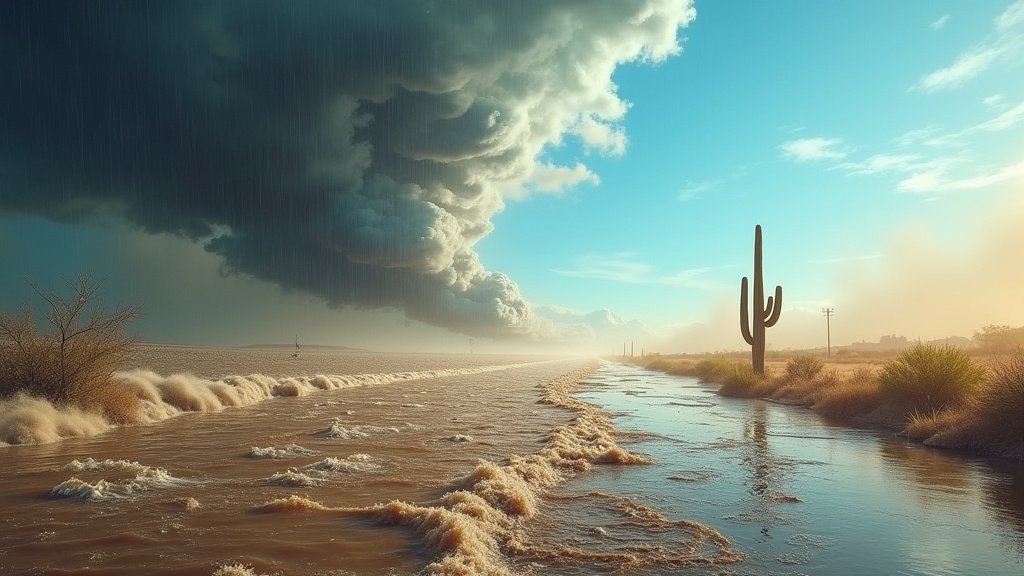
On Wednesday, July 15, 2026, the atmospheric battle lines are clearly drawn across the nation. A substantial portion of the southern United States, stretching from Texas eastward to Tennessee, is under a severe weather watch as multiple rounds of thunderstorms are expected to saturate the region. The National Weather Service has warned of the potential for rapid rises in rivers and streams, with significant flash flooding being a primary concern. The intensity of these storms is particularly alarming for south-central Texas, where forecasters predict an extraordinary accumulation of 8 to 12 inches of rain. This localized, extreme rainfall event could lead to widespread disruptions and hazardous conditions.
Rockies Face Scattered Storms and Gusty Winds
While the South grapples with organized storm systems, the Rocky Mountains will experience a more scattered pattern of thunderstorms. These localized events, while not as widespread as those in the South, could still bring challenges. Heavier storms in the Rockies are predicted to be accompanied by gusty winds, posing a risk to outdoor activities and potentially exacerbating any existing dry conditions in the mountainous terrain.
Northern U.S. and West Coast: Dry and Stable Conditions Prevail
In stark contrast to the weather battering the southern states, the West Coast is set to experience a period of dry and sunny weather. This stable pattern is attributed to the influence of a shifting heat dome, which will also ensure that the northern United States remains dry. Residents from the Pacific Northwest down to Southern California can likely expect clear skies and pleasant conditions, offering a stark meteorological contrast to the rest of the country.
Plains to Northeast: Heat Dome Drives Above-Average Temperatures
The influence of the heat dome extends beyond simply bringing dry weather to the North. Its positioning is also contributing to temperatures that will be well above average across a vast swath of the country, from the Plains states all the way to the Northeast. This prolonged period of high heat, combined with potential wildfire smoke, could create uncomfortable and even dangerous conditions for many Americans.
Canadian Wildfire Smoke: A Lingering Concern
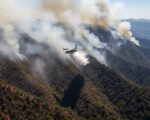
A persistent concern for much of the U.S. this summer has been smoke emanating from ongoing wildfires in Canada. On July 15, 2026, this smoke is expected to continue to affect visibility and air quality in several regions, potentially obscuring the sunshine even in areas not directly experiencing precipitation or extreme heat. The extent and density of the smoke will vary, but its presence serves as a reminder of the broader environmental factors influencing national weather patterns.
FAQ: People Also Ask
What areas are most at risk for flash flooding on July 15, 2026?
South-central Texas is identified as the area with the highest risk for significant flash flooding, with 8-12 inches of rain expected. Other parts of the southern U.S. from Texas to Tennessee will also experience repeated rounds of thunderstorms with the potential for rapid rises on streams and rivers.
What is causing the dry weather on the West Coast?
Dry weather along the West Coast is attributed to a shifting heat dome that is also contributing to dry conditions in the northern United States.
Will smoke from Canadian wildfires affect the weather in the U.S. on July 15, 2026?
Yes, smoke from Canadian wildfires is expected to obscure sunshine and affect visibility in some areas across the U.S.
Are temperatures expected to be above average anywhere in the U.S. on July 15, 2026?
Yes, temperatures will be well above average from the Plains to the Northeast due to the influence of a heat dome.
What kind of storms are expected in the Rocky Mountains?
Spotty thunderstorms are predicted for the Rockies, with heavier storms capable of producing gusty winds.