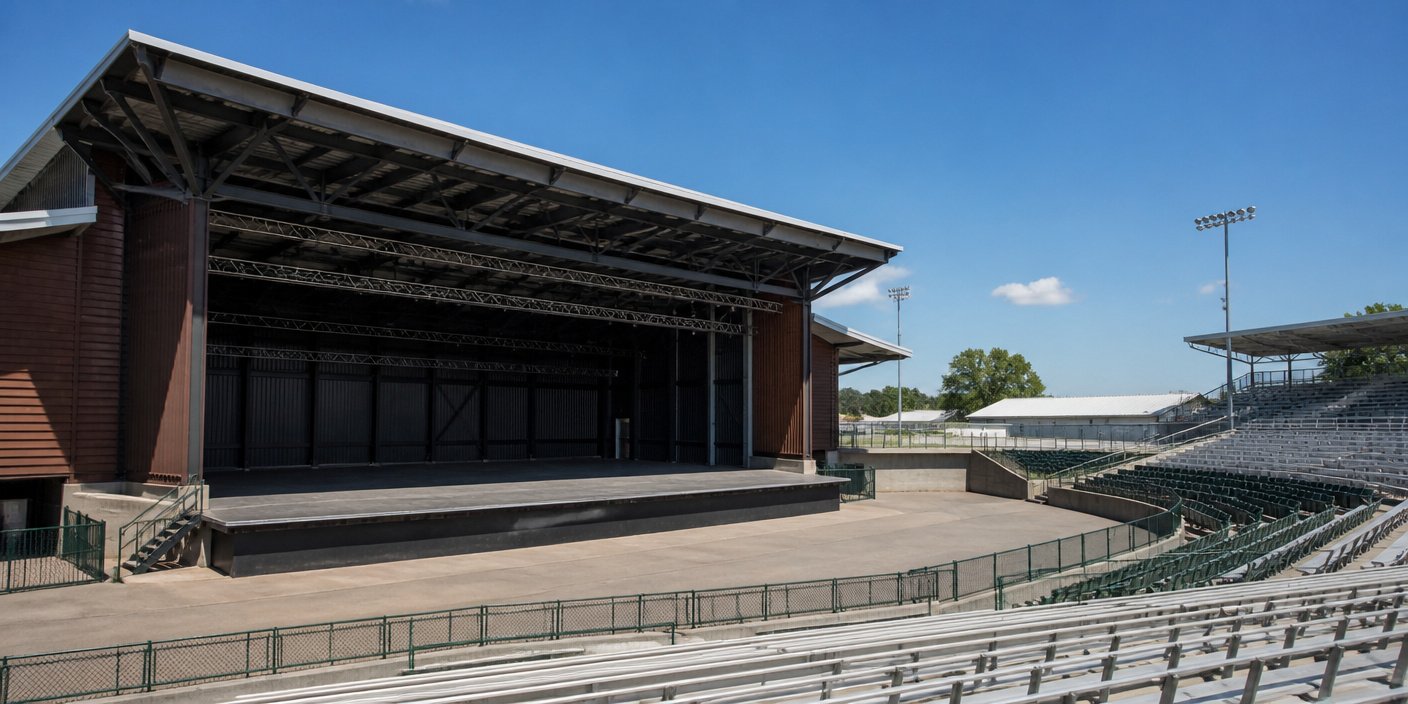
In a development that has sent ripples through the summer concert circuit, Sir Rod Stewart has officially canceled his headline performance scheduled for August 14 at the Iowa State Fair. The decision comes on the heels of a successful coronary stent procedure, a medical intervention that has necessitated an immediate period of recuperation for the 79-year-old rock icon. Representatives for the artist confirmed that Stewart is acting under strict medical advice to take four weeks of recovery time, ensuring his long-term health takes precedence over immediate professional commitments. The Iowa State Fair, a cornerstone of Midwest entertainment, has moved swiftly to secure a replacement, announcing that seasoned singer-songwriter John Waite will step in to fill the vacancy on the Grandstand stage.
Key Highlights:
- Medical Mandate: Sir Rod Stewart underwent a successful coronary stent procedure and has been ordered by medical professionals to take four weeks of complete rest to recover fully.
- Performance Cancellation: The cancellation affects the highly anticipated August 14 show at the Iowa State Fair, where Stewart was slated to perform as the premier headliner.
- The Replacement: John Waite, the esteemed vocalist known for his solo hits and work with The Babys and Bad English, has been tapped to fill the open headlining slot.
- Ticket Logistics: Organizers at the Iowa State Fair are moving quickly to manage the transition, with further details regarding ticket options for those who purchased for the original date expected to be disseminated through official fair channels.
Navigating the Shift: Talent and Logistics at the Iowa State Fair
The Health Crisis Behind the Cancellation
The abrupt cancellation of a major tour date by an artist of Rod Stewart’s stature underscores the inherent physical risks associated with the rigorous demands of global touring. At 79, Stewart’s resilience has been legendary, yet the necessity of a coronary stent procedure serves as a stark reminder of the physiological tolls that decades of performance can exact. Coronary stent procedures are common medical interventions designed to restore blood flow to the heart, but they require a definitive, non-negotiable recovery window. By opting for a four-week hiatus, Stewart is prioritizing the sustainability of his career and his overall health. This decision echoes a growing trend in the music industry where legacy artists are increasingly transparent about health-related scheduling conflicts, moving away from the ‘show-must-go-on-at-all-costs’ mentality of the 20th century in favor of prioritizing longevity and patient safety.
Replacing an Icon: The Case for John Waite
Replacing a global superstar like Rod Stewart is an unenviable task for any event promoter, but the selection of John Waite is both strategic and culturally resonant. Waite, now 72, possesses a deep catalog that bridges generations, much like Stewart himself. With a career spanning back to the late 1970s with The Babys, through his massive 1984 solo success ‘Missing You,’ and his tenure with the supergroup Bad English, Waite offers a performance pedigree that satisfies the core demographic of the Iowa State Fair Grandstand audience. Unlike a generic or up-and-coming opener, Waite carries the gravitas of a veteran rocker. His selection suggests that the Iowa State Fair prioritized musical continuity, seeking an artist whose vocal style and stage presence provide a familiar, high-quality experience for ticket holders who were expecting a classic rock headliner.
The Unseen Strains of Legacy Touring
Beyond the headlines of a single canceled show lies the broader, often overlooked secondary angle: the extreme physical and logistical strain of legacy touring. The industry standard for an artist of Stewart’s magnitude involves constant travel across time zones, varying climates, and the high-intensity environment of live performance, which places immense stress on the cardiovascular system. For aging rockers, the transition from ‘touring machine’ to ‘managed performance’ is critical. Fans have become more empathetic, and the industry has shifted to better accommodate these needs, but the logistical scramble—rebooking travel, adjusting lighting and sound riders, and managing audience expectations—remains a massive undertaking. The Iowa State Fair represents a massive operation, and replacing a headliner of Stewart’s caliber at short notice tests the agility of the booking team and the strength of industry relationships.
Economic and Cultural Impact on the Iowa State Fair
The Iowa State Fair is not merely a concert venue; it is an economic engine for Des Moines and the surrounding regions. Grandstand headliners are key to driving ticket sales, parking revenue, and local hospitality spending. When a headliner of Stewart’s status withdraws, the financial ramifications are significant, requiring rapid-fire crisis communication. The fair’s management team must navigate the delicate balance of retaining ticket holders and maintaining the integrity of the event’s overall schedule. This episode highlights how dependent massive state-level events are on the health and stability of a small pool of top-tier, legacy talent. If Stewart were to be unavailable for an extended period, the economic ripple effects on the fair’s bottom line could be substantial, demonstrating the fragility of the live event ecosystem in the post-pandemic era.
Medical Context: The Recovery of a Rock Icon
To understand the gravity of Stewart’s decision, one must look at the nature of the stent procedure itself. While often described as a routine, minimally invasive surgery, the post-operative reality involves strict protocols. Doctors typically mandate reduced physical activity, the management of blood-thinning medications, and close monitoring of heart rate during the initial recovery phase to ensure the stent—a small mesh tube used to prop open an artery—integrates properly into the vessel wall. For a performer who spends hours on stage dancing and singing, the recovery timeline isn’t just about ‘feeling better’—it’s about cardiac safety during high-output physical exertion. The four-week window set by his medical team is standard for ensuring that a performer can return to the stage without risk of complications. It is a prudent, calculated decision that reflects a level of medical compliance often missing from the rock-and-roll narrative, signaling a mature approach to artist management.
FAQ: People Also Ask
Q: Can I get a refund for my tickets to the Rod Stewart show at the Iowa State Fair?
A: The Iowa State Fair typically provides updates regarding ticket policies for changed events directly through their official ticketing portal or via email to registered purchasers. It is highly recommended to check the official Iowa State Fair website for the most recent instructions on ticket options following the replacement announcement.
Q: What is a coronary stent procedure?
A: A coronary stent procedure is a medical treatment used to open clogged heart arteries. A small wire-mesh tube is placed in the artery to help keep it open, improving blood flow to the heart muscle. It is considered a common, successful procedure for managing coronary heart disease.
Q: Is John Waite a suitable replacement for Rod Stewart?
A: John Waite is an established veteran rocker with a significant catalog of hits spanning several decades, including his hit ‘Missing You.’ His experience in both bands and as a solo artist makes him a stylistically consistent choice for a classic rock-oriented event like the Iowa State Fair.
Q: How long will Rod Stewart be out of commission?
A: Sir Rod Stewart’s representatives have stated he is taking four weeks off to focus on a full recovery before returning to his performance schedule.