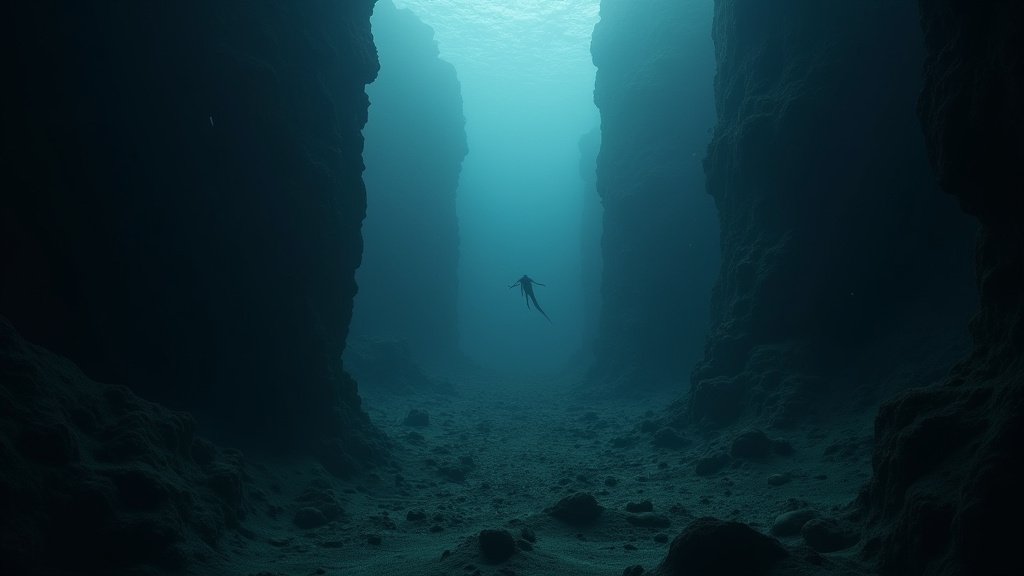
A remarkable discovery has revealed a thriving population of a ‘herd’ of sea creatures, often dubbed ‘living dinosaurs,’ in the deep ocean. These ancient organisms, known for their unique resilience and evolutionary lineage, are showing robust signs of health and reproduction, offering a glimmer of good news for marine biodiversity.
Key Highlights:
- Discovery of a large, healthy population of ancient marine creatures.
- These ‘living dinosaurs’ exhibit surprising vitality and reproductive success.
- The findings challenge previous assumptions about the fragility of deep-sea ecosystems.
- Conservation implications for understanding and protecting deep-sea life.
Deep-Sea Survivors: A Glimpse into Ancient Life
The recent scientific expedition, utilizing advanced submersibles and sonar technology, has brought to light an unexpectedly large and vibrant community of trilobites – a group of extinct marine arthropods that have often been referred to as ‘living fossils’ or ‘dinosaurs of the sea’ due to their ancient lineage and enduring presence. Unlike their extinct terrestrial counterparts, certain marine species have persisted for millions of years, offering a unique window into prehistoric life. This particular ‘herd,’ found in a deep-sea trench previously thought to be less hospitable, has astonished researchers with its sheer numbers and apparent well-being.
Evolutionary Resilience
For decades, the understanding of these creatures, likely a species of Neopilina or a similar deep-sea mollusk exhibiting ancient characteristics, was based on scattered fossil records and rare, isolated sightings. Their survival through major extinction events that wiped out their more famous dinosaur cousins is a testament to their evolutionary adaptability. The discovery in this specific location suggests that these organisms have found a stable niche, possibly supported by unique chemosynthetic ecosystems or nutrient-rich upwellings.
Challenges to Conventional Wisdom
Marine biologists have long debated the vulnerability of deep-sea ecosystems to environmental changes, including warming waters and pollution. The robust health of this ancient ‘herd’ provides a counter-narrative, suggesting that some deep-sea environments may be more resilient or possess unique self-sustaining mechanisms than previously understood. It also highlights how much remains unknown about the vast majority of our planet’s oceans.
Conservation and Future Research
The implications for conservation are significant. If such ancient and seemingly fragile populations can thrive, it underscores the need for careful management of deep-sea activities. Further research will focus on the genetic diversity of this population, their specific dietary needs, and the environmental factors contributing to their success. Understanding these elements could provide crucial insights into broader marine conservation strategies and the potential for life in extreme environments, both on Earth and potentially beyond.
FAQ: People Also Ask
What are ‘living dinosaurs’ in the ocean?
‘Living dinosaurs’ is a popular term used to describe marine organisms that are descendants of ancient lineages, having survived for millions of years largely unchanged. Examples include certain species of coelacanths, horseshoe crabs, and deep-sea mollusks that bear resemblance to fossilized ancestors. These creatures offer a glimpse into prehistoric life.
Why are these creatures considered ‘dinosaurs’?
The term ‘dinosaur’ is used metaphorically because these marine species share a lineage with ancient life forms that existed during the age of dinosaurs or even earlier. Their long evolutionary history and remarkable survival through mass extinction events are what earn them this title, not because they are reptilian or from the Mesozoic era like terrestrial dinosaurs.
Where was this ‘herd’ discovered?
The recent discovery was made in a deep-sea trench, the specific location of which is being withheld pending further scientific study to protect the population. The area is characterized by unique geological features that likely support the ecosystem.
What are the conservation challenges for deep-sea life?
Deep-sea life faces challenges from climate change (ocean warming and acidification), deep-sea mining, pollution (plastic and chemical), and overfishing. Protecting these environments requires international cooperation and stringent regulations due to their remote and often poorly understood nature.