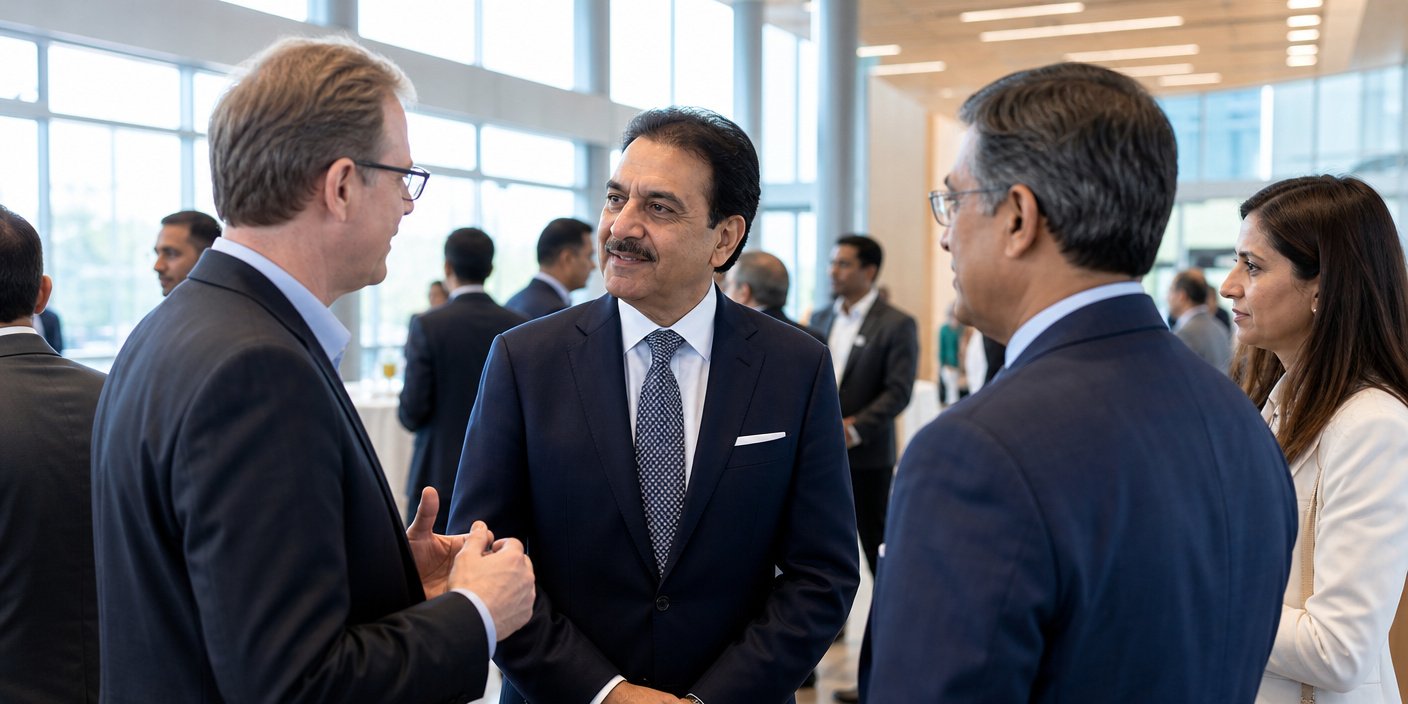
Ambassador of Pakistan Rizwan Saeed Sheikh recently spearheaded a high-level delegation at the Pak–US Tech Connect 2026 in Silicon Valley, signaling a transformative pivot in how Pakistan positions itself within the global technology landscape. By directly engaging with U.S. innovation hubs, the mission aimed to dismantle traditional barriers for Pakistani software houses, fintech startups, and AI developers, establishing a direct pipeline for technology transfer and collaborative venture capital investment.
Key Highlights
- Strategic Integration: The summit focused on aligning Pakistani IT firm standards with Silicon Valley’s rigorous scalability and compliance requirements.
- Direct Diplomatic Outreach: Ambassador Rizwan Saeed Sheikh utilized the platform to advocate for a reduction in trade friction between US tech giants and emerging Pakistani service providers.
- Investment Corridor: The event established a preliminary framework for a ‘Tech-Bridge’ initiative, designed to facilitate easier entry for Pakistani founders into the North American market.
- Collaborative Innovation: Discussions centered on fostering joint research ventures in Artificial Intelligence and Cybersecurity, leveraging Pakistan’s cost-effective engineering talent against U.S. product-market expertise.
The Diplomatic-Tech Nexus
The Pak–US Tech Connect 2026 serves as more than just a conference; it represents a fundamental shift in the role of modern diplomacy. In an era where digital sovereignty and software dominance dictate geopolitical influence, Ambassador Rizwan Saeed Sheikh’s presence in the epicenter of the tech world is a calculated move to treat code, data, and engineering talent as the primary instruments of bilateral relations. This is not merely about service-level agreements (SLAs) or outsourcing; it is about embedding the Pakistani innovation ecosystem into the global supply chain of the United States.
Addressing the Scalability Gap
One of the critical challenges discussed during the summit was the ‘Scalability Gap.’ While Pakistan boasts a dense population of skilled computer science graduates, local firms have historically struggled to bridge the gap between regional service provision and global product deployment. During the Tech Connect, the Ambassador emphasized the necessity of a regulatory environment that supports intellectual property (IP) protection, a prerequisite for U.S.-based venture capitalists to feel comfortable injecting capital into Pakistani startups. This conversation represents a rare alignment between diplomatic policy and the hard-tech requirements of the Silicon Valley investor class.
The Human Capital Bridge
The Pakistani diaspora in Silicon Valley remains one of the country’s most underutilized strategic assets. The Tech Connect 2026 summit acted as a convocation for this demographic. By engaging Pakistani-American tech leaders, the embassy is creating a ‘reverse brain drain’ effect, where mentorship, capital, and technical standards are flowed back to the homeland. The Ambassador’s initiative to curate these connections is designed to ensure that Pakistan becomes a secondary R&D hub for major U.S. companies, much like India’s trajectory in the early 2000s, but with a renewed focus on modern AI integration and SaaS (Software as a Service) platforms.
Cybersecurity and Global Compliance
As global scrutiny of data privacy intensifies, the summit addressed the ‘Compliance Barrier.’ Ambassador Rizwan Saeed Sheikh highlighted that for Pakistani firms to secure Tier-1 U.S. contracts, they must adhere to GDPR and CCPA standards. The mission introduced a roadmap for data protection legislative reforms back in Islamabad, ensuring that Pakistani firms are not only cost-effective but also compliant and trustworthy partners in an increasingly digitized global economy. This alignment is projected to increase the export volume of IT services significantly over the next fiscal cycle.
Secondary Strategic Angles
1. The Economic Multiplier Effect
The economic impact of this mission is forecasted to go beyond immediate service exports. By focusing on higher-value sectors—such as Fintech, Agrotech, and Healthtech—the Ambassador is steering the country away from low-end BPO (Business Process Outsourcing) and toward high-value intellectual output. This shift, if executed effectively, could reshape the national export profile within five years.
2. Infrastructure Resilience
A recurring theme during the summit was the dependency of the tech sector on stable energy and internet infrastructure. The diplomatic dialogue acknowledged that the growth of the tech sector is tethered to the physical infrastructure of the nation. The discussions involving Silicon Valley stakeholders have pressured local stakeholders to prioritize ‘tech-zones’ with guaranteed uptime and advanced fiber connectivity, effectively treating digital infrastructure as critical national security.
3. Future-Proofing the Workforce
The summit also laid groundwork for educational partnerships between Silicon Valley engineering firms and top-tier Pakistani universities. The objective is to standardize the curriculum, ensuring that the next generation of graduates is ‘plug-and-play’ ready for the needs of the U.S. market, thereby reducing training costs for American firms looking to hire Pakistani talent.
FAQ: People Also Ask
Q: What is the primary goal of the Pak–US Tech Connect 2026?
A: The primary goal is to integrate the Pakistani technology ecosystem with the U.S. innovation economy, facilitating direct investments, knowledge transfer, and market access for Pakistani tech firms.
Q: Why was this summit held in Silicon Valley?
A: Silicon Valley remains the global capital for tech venture capital and innovation. Holding the summit there allows for direct access to decision-makers, venture capitalists, and industry leaders who influence the global tech agenda.
Q: How does this initiative benefit Pakistani startups?
A: It provides startups with better access to U.S.-based venture capital, networking opportunities with potential U.S. clients, and guidance on navigating the regulatory hurdles required to do business in the North American market.
Q: What is Ambassador Rizwan Saeed Sheikh’s role in this?
A: As the representative of the state, his role is to facilitate high-level diplomatic support, negotiate regulatory frameworks, and provide the credibility necessary to attract foreign institutional interest in Pakistani firms.