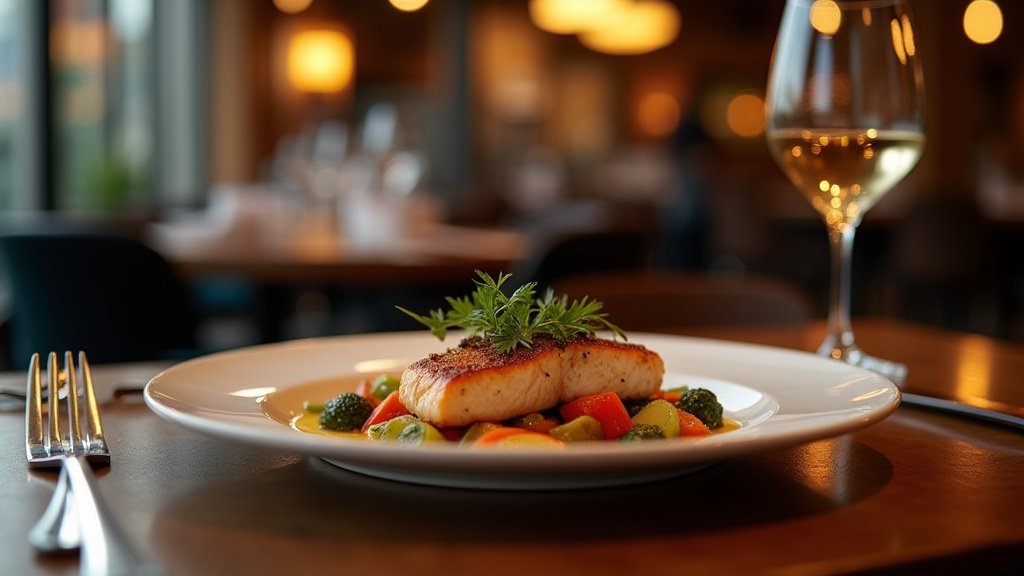
As the autumnal chill settles over the Pacific Northwest, the city’s culinary scene is preparing for a significant boost. The Ticket Seattle, in collaboration with the region’s premier dining establishments, has announced that Fall Restaurant Week 2026 will officially commence on October 18 and run through October 31. Featuring over 250 participating restaurants, this year’s event is strategically designed to ignite the city’s shoulder-season traffic, offering diners a curated, high-value experience across four distinct price points.
Key Highlights
- Event Dates: October 18 – October 31, 2026.
- Scope: Over 250+ unique restaurants participating across the greater Seattle area.
- Pricing Tiers: Curated menus offered at fixed price points of $20, $35, $50, and $65.
- Economic Strategy: Designed to bolster the restaurant industry during the traditional October slowdown.
The Strategic Importance of Shoulder-Season Dining
In the hospitality industry, the period between the peak summer tourism rush and the winter holiday season is known as the “shoulder season.” For restaurant owners in a major metropolitan hub like Seattle, this lull often represents a challenging financial hurdle. The 2026 iteration of Fall Restaurant Week, organized by The Ticket Seattle, serves as a sophisticated economic lever. By incentivizing dining through fixed-price structures, the event transforms a traditionally quiet period into one of the most vibrant times of the year for local gastronomy.
The Mechanics of the $20 to $65 Price Tiers
The structure of this year’s event is intentionally tiered to maximize accessibility while maintaining luxury. The $20 tier is primarily aimed at casual lunch spots, quick-service cafes, and breakfast-forward establishments, allowing local residents to experience high-quality ingredients without the premium price tag. Conversely, the $35 and $50 tiers form the backbone of the dinner experience, allowing chefs to showcase signature dishes and seasonal ingredients like wild mushrooms, Pacific salmon, and heirloom root vegetables. The $65 tier, introduced to cater to the “fine dining seeker,” offers an elevated experience, often including multi-course tasting menus or wine pairings that typically command much higher prices.
Culinary Innovation in 2026
The 2026 event highlights a shift toward hyper-local sourcing. As global supply chains continue to stabilize, the focus has pivoted back to the bounty of Washington state. Many of the 250+ participants are highlighting local partnerships with agrarian producers in the Skagit Valley and seafood harvesters in the Puget Sound. This focus on provenance is not merely a marketing tactic but a necessary response to a consumer base that is increasingly demanding transparency in their food sourcing. Patrons can expect menus that lean heavily on the “farm-to-table” ethos that has defined Seattle’s food scene for decades, now refined with modern techniques such as fermentation and cold-smoking.
Navigating the Digital Experience with ‘The Ticket’
The integration of The Ticket Seattle’s digital platform has changed how locals approach the event. Gone are the days of aimlessly wandering to find a table. In 2026, the event’s digital portal allows for real-time tracking of availability, reservation management, and even “menu previews.” This technological layer has democratized the experience, ensuring that even the most exclusive restaurants in the city are accessible to those who plan ahead. Users are encouraged to book early, as the most popular venues—particularly those in Capitol Hill, Ballard, and Downtown—typically see reservations fill within the first 72 hours of the announcement.
Future Predictions: The Evolution of Fixed-Price Dining
Looking beyond 2026, the success of this event framework suggests a potential shift toward “Event-Based Dining” as a year-round model. As costs for goods and labor remain volatile, the Restaurant Week model provides a predictable revenue stream for operators. We anticipate that future iterations may expand to include “neighborhood-specific” weeks, further decentralizing the event to focus on the unique cultures of individual Seattle districts. This could eventually lead to a model where smaller, neighborhood-centric restaurants are featured on a rotating, monthly basis, rather than just twice a year.
FAQ: People Also Ask
Q: How do I make reservations for Fall Restaurant Week 2026?
A: Reservations are managed directly through The Ticket Seattle’s official platform and individual restaurant websites. We recommend using the filtering tools on The Ticket Seattle portal to sort by neighborhood and price tier.
Q: Are drinks included in the fixed prices?
A: Generally, no. The fixed prices cover the food menu. Beverages, tax, and gratuity are typically charged separately, though some restaurants may offer a supplemental beverage pairing at an additional cost.
Q: Can I change my reservation once booked?
A: Changes depend on the restaurant’s specific policy. It is best to check the reservation confirmation email for the restaurant’s cancellation or modification window, as demand is extremely high during the event.
Q: Are there vegetarian or vegan options?
A: Yes. All participating restaurants are required to provide accessible menu options, and most will feature at least one plant-forward prix fixe option. We advise checking the specific menu online before booking.