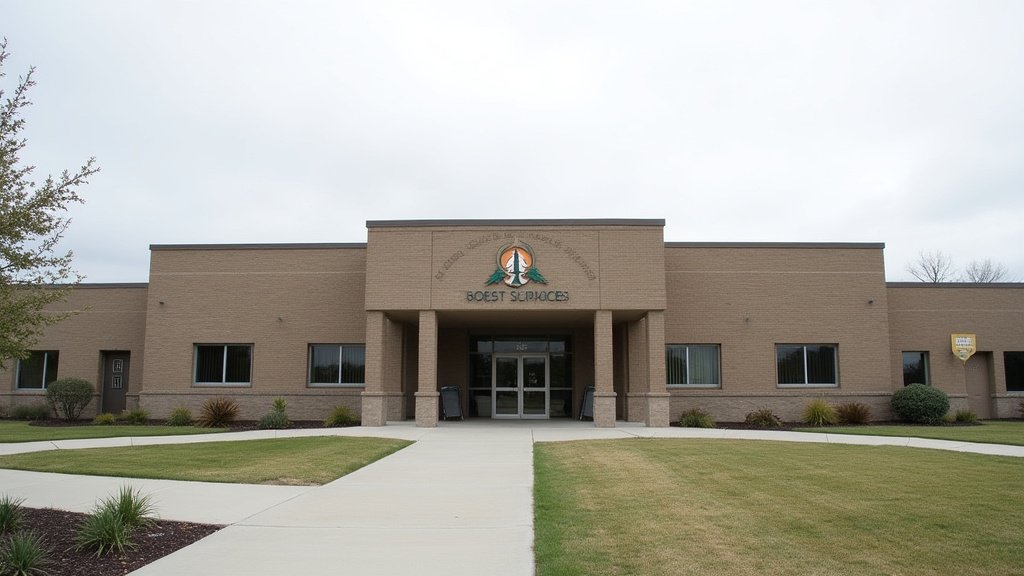
The U.S. Forest Service (USFS), an agency under the jurisdiction of the U.S. Department of Agriculture (USDA), has officially confirmed the closure of 23 research and development facilities across the nation. This significant downsizing includes the high-profile shuttering of the agency’s regional office in Portland, Oregon. The restructuring plan is being positioned as a critical administrative pivot aimed at reducing budgetary overhead and transitioning the agency toward a new, decentralized state-based model of forest management and data collection.
Key Highlights
- Massive Consolidation: The agency is closing 23 specific research and development facilities nationwide to optimize the federal footprint.
- Portland Impact: The regional office in Portland, Oregon, a hub for critical Pacific Northwest research, is slated for permanent closure as part of this shift.
- Structural Pivot: The agency is moving away from a centralized command structure in favor of a state-based operational model, theoretically designed to integrate better with local forestry needs.
- Cost-Efficiency Mandate: The primary driver cited for the reduction is the long-term necessity of cost-saving and fiscal responsibility within the USDA budget.
The Strategic Rationale Behind the USFS Restructuring
The decision to dismantle portions of the U.S. Forest Service Research and Development (USFS R&D) branch follows years of internal scrutiny regarding the agency’s physical footprint. By shuttering 23 facilities, the USFS aims to shed the high maintenance costs associated with aging federal properties while simultaneously realigning its research focus.
This restructuring is not merely a downsizing exercise; it represents a fundamental change in how the federal government interacts with state-level forestry management. By moving toward a state-based model, the Forest Service seeks to align its administrative presence with the specific environmental and economic pressures faced by individual states. This approach is designed to streamline communication between federal research outputs and state-level implementation, effectively decentralizing the previous top-down command structure. However, critics argue that this dilution of centralized authority could jeopardize the long-term continuity of multi-state research projects and the retention of highly specialized scientific personnel who have historically been anchored by these regional hubs.
The Operational Shift to State-Based Management
At the core of this reorganization is the transition away from regional, multi-state bureaucratic hubs. In the previous model, the Portland office served as a critical nexus for Pacific Northwest ecological studies, overseeing vast tracts of federally managed land. Under the new state-based model, the agency intends to integrate its local operations more tightly with state forestry departments. Proponents of this plan argue that it reduces bureaucratic friction. The goal is to create a ‘plug-and-play’ research environment where state-specific challenges—such as localized wildfire patterns, timber management, and watershed protection—receive immediate, dedicated attention without the filter of an intervening regional layer.
However, the logistical reality of such a transition is complex. Transferring knowledge assets from a consolidated regional hub like Portland to fragmented state-level offices requires significant administrative bandwidth. The agency has stated that the objective is to maximize the impact of every dollar spent, essentially prioritizing ‘boots on the ground’ resources over the maintenance of brick-and-mortar regional headquarters.
Scientific and Data Continuity Concerns
The U.S. Forest Service R&D branch has long been the gold standard for forestry data, providing decades of longitudinal studies on climate change, invasive species, and timber production. The closure of 23 facilities raises urgent questions about the preservation of this data and the continuity of ongoing research.
Regional hubs served as more than just offices; they were repositories for complex biological and environmental data sets that often span fifty or more years. When these physical locations close, the risk to ‘institutional memory’ increases. The USFS has indicated that data will be migrated to digital platforms and centralized servers, but the academic and scientific community remains skeptical. The physical presence of researchers in a region often facilitates the necessary fieldwork and community engagement that fuels accurate data collection. As the agency pivots, stakeholders are watching closely to see if the state-based model can maintain the rigorous scientific standards that the Portland office and other shuttered hubs previously upheld.
Economic and Property Asset Management
From a purely administrative standpoint, the closure is being framed as an exercise in Federal Property Asset Management. The government maintains a massive portfolio of real estate, much of which is underutilized or inefficiently maintained. The Portland office closure is indicative of a broader trend within the federal government to audit and liquidate property assets that are deemed ‘non-essential’ in a digital-first, remote-capable work environment. By divesting from these properties, the USDA intends to reallocate funds toward operational research budgets, potentially offsetting the costs of new technology or field equipment. This creates a trade-off: the agency loses significant institutional infrastructure in major hubs, but theoretically gains fiscal flexibility.
FAQ: People Also Ask
1. Which facilities are affected by the U.S. Forest Service reorganization?
While the agency has designated 23 facilities for closure, the list spans multiple regions nationwide, including the significant Portland regional office. The agency is releasing these closures in phases to minimize service disruption.
2. Why is the USFS shifting to a state-based model?
The agency claims the state-based model will allow for better integration with local environmental priorities and reduced bureaucratic overhead, creating a more responsive operational structure compared to the previous regional hub system.
3. What happens to the researchers and staff in the Portland office?
The Forest Service has stated that it is prioritizing the retention of human capital. Staff are being given options for relocation to state-based offices or, in some cases, remote work opportunities, though some attrition is expected during the transition.
4. Will this reorganization impact wildfire response times?
The agency asserts that fire management and research are separate, though related, functions. They maintain that the reorganization is focused on the research and development branch and will not negatively impact operational wildfire suppression capabilities.