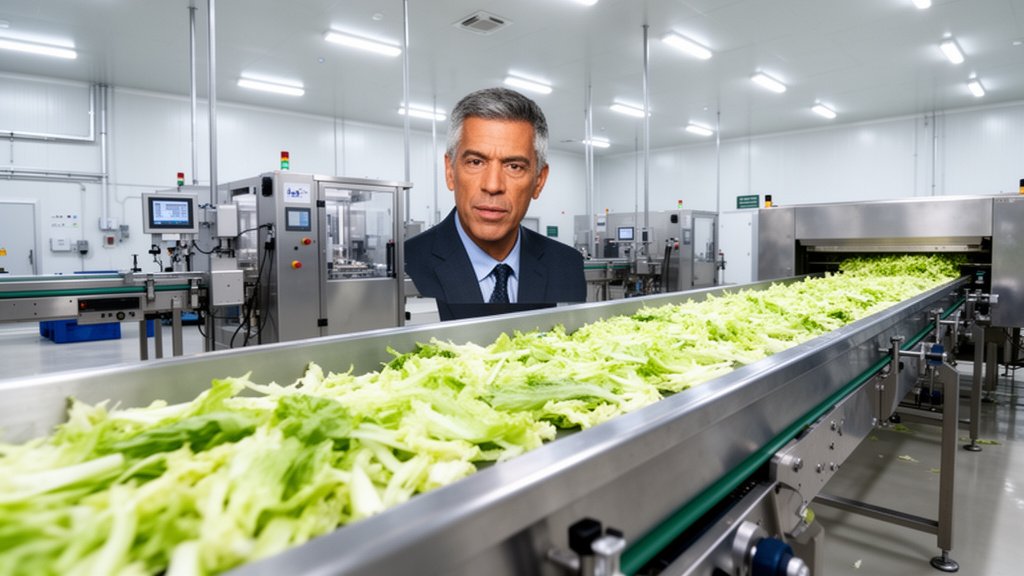
Federal health agencies, including the Food and Drug Administration (FDA) and the Centers for Disease Control and Prevention (CDC), have launched a coordinated investigation into a multi-state outbreak of Cyclospora cayetanensis infections. The investigation, centered on incidents reported throughout July 2026, has been traced back to shredded iceberg lettuce supplied by Taylor Farms de Mexico. This critical food safety event has triggered significant operational disruptions, most notably across various Taco Bell locations and specific Marketside-brand lettuce products sold at Walmart. As officials work to contain the spread, the investigation highlights the complexities of modern produce supply chains and the persistent challenge of controlling waterborne parasites in large-scale agricultural production.
Key Highlights
- Outbreak Scope: A 9-state cluster of Cyclospora illnesses has been identified, with epidemiological data pointing to shredded iceberg lettuce as the primary vehicle for transmission.
- Traceback Source: FDA investigations identified Taylor Farms de Mexico as the common supplier for affected establishments, including nationwide Taco Bell franchises and Walmart’s Marketside-branded produce.
- Pathogen Profile: The infections are caused by Cyclospora cayetanensis, a microscopic parasite that typically causes gastrointestinal illness after the consumption of contaminated water or food.
- Public Safety Response: Recalls are currently in effect, with federal agencies advising consumers to dispose of any affected products and prioritize hygiene protocols in food service environments.
The Anatomy of an Outbreak: Investigating the 9-State Contamination
The current investigation into the July 2026 outbreak of Cyclospora represents a significant challenge for regulatory bodies. By tracing the illness clusters across nine distinct states, public health officials have utilized advanced molecular epidemiology to pinpoint a singular point of origin: processing facilities managed by Taylor Farms de Mexico. The outbreak has brought into sharp focus the vulnerabilities inherent in the “ready-to-eat” (RTE) produce market, where high-volume processing and broad distribution networks can turn a localized contamination event into a national public health concern within days.
The Role of Taylor Farms and Supply Chain Traceability
At the heart of the investigation is the supply chain architecture that links Taylor Farms de Mexico to both high-volume fast-food chains like Taco Bell and major retail giants like Walmart. Traceability is the primary mechanism health agencies use to stop the spread; in this case, the FDA’s traceback investigation involved reviewing shipping records, production logs, and specific lot codes associated with the shredded lettuce used in the affected regions.
The complexity of this supply chain—moving raw product from the field to a central processing plant, then to regional distribution centers—creates multiple opportunities for contamination. Unlike bacterial pathogens that are easily killed by cooking, the Cyclospora parasite is notoriously resilient in the environment. Its lifecycle relies on water, making irrigation water quality management in international sourcing locations a critical, yet difficult, variable to control. Industry experts suggest that this investigation will likely force a re-evaluation of sanitation verification protocols for suppliers importing leafy greens from regions where Cyclospora is endemic.
Clinical Perspectives: Understanding Cyclosporiasis
For the average consumer, the primary concern is the clinical impact of Cyclosporiasis. The illness is characterized by watery diarrhea, abdominal cramping, bloating, nausea, and fatigue. Unlike common food poisoning that resolves within 24 to 48 hours, Cyclospora infection can persist for several weeks if left untreated.
The medical community is stressing the importance of accurate diagnosis. Because the parasite is not typically included in standard stool “culture” tests, clinicians must specifically request testing for Cyclospora. The standard treatment—a specific course of antibiotics (typically trimethoprim-sulfamethoxazole)—is highly effective, but the infection can easily be misdiagnosed as other viral or bacterial gastroenteritis without proper diagnostic advocacy. The CDC urges anyone who consumed shredded iceberg lettuce from affected outlets during the July 2026 window and is experiencing prolonged gastrointestinal distress to seek medical evaluation immediately.
Regulatory Outlook and Future Mitigation
The FDA’s continued involvement in this investigation signals a potential shift in enforcement regarding agricultural water standards. While the “Produce Safety Rule” has historically provided guidelines, the recurrence of Cyclospora outbreaks suggests that existing voluntary compliance programs may be insufficient to address the unique ecological challenges of the parasite. As the agency moves forward, observers expect more stringent requirements regarding the testing of wash-water and irrigation sources for large-scale exporters. For the consumer, this underscores the importance of the “wash thoroughly” adage, though experts note that with shredded, processed produce, home washing is often ineffective against microscopic parasites lodged in the crevices of cut leaves.
FAQ: People Also Ask
Q: What should I do if I think I ate contaminated lettuce?
A: If you have consumed shredded iceberg lettuce from the affected providers and are experiencing symptoms, monitor your health closely. Contact your healthcare provider, and ensure you specifically ask for testing for Cyclospora, as it requires specialized diagnostic procedures not found in routine stool cultures.
Q: Why does the recall include both Walmart and Taco Bell?
A: The recall is based on a common source of contamination—the supplier (Taylor Farms de Mexico). When a contamination event occurs at a processing facility, any brand or retail chain sourcing from that specific plant or lot is impacted, regardless of the store name.
Q: Is Cyclospora contagious between people?
A: No. Cyclospora is not spread directly from person to person. It requires a period (days to weeks) in the environment (usually in contaminated water or on food) to become infectious.
Q: Will cooking the lettuce kill the parasite?
A: Generally, yes. The parasite is sensitive to high heat. However, since shredded iceberg lettuce is almost exclusively consumed raw in salads or as toppings, this safety measure is rarely applicable in this specific outbreak context.