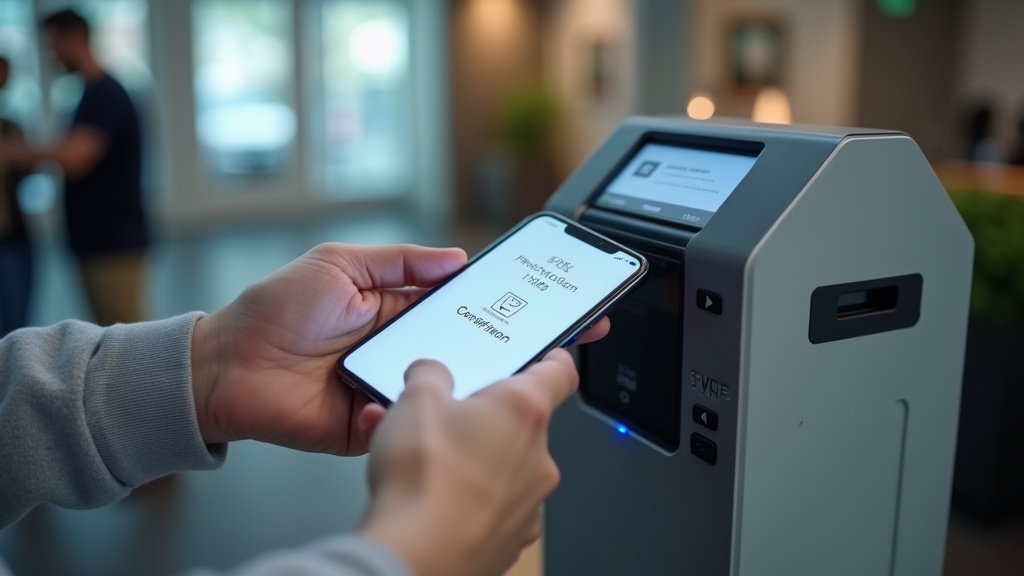
California is taking a significant step toward modernizing state identification, as the Department of Motor Vehicles (DMV) expands its pilot program allowing residents to add their driver’s licenses and state ID cards to mobile devices. This initiative, centered around the ‘California DMV Wallet’ app, marks a pivotal shift in how the state approaches digital identity, prioritizing convenience, privacy, and long-term security integration.
Key Highlights
- Expansion of Digital Availability: The California DMV is broadening the scope of its mDL (mobile driver’s license) pilot program, inviting a larger cohort of participants to test the digital ID functionality.
- Privacy-First Architecture: The technology utilizes ISO 18013-5 standards, ensuring that data sharing is controlled and that users can share only the necessary information for a transaction, such as age verification, rather than a full driver’s license.
- Biometric Security: Access to the digital ID within the California DMV Wallet is protected by on-device biometrics, such as facial recognition or fingerprint scanning, adding a layer of security not found in physical cards.
- Current Status: While the mDL is valid in specific pilot environments—including select retail locations and airport security checkpoints—it is not yet a wholesale replacement for a physical plastic card for all legal interactions.
The Digital Shift: Modernizing Identity in the Golden State
For decades, the physical plastic card has been the gold standard of identity verification. However, as the world increasingly migrates toward digital-first interactions, states are facing pressure to adapt. California’s move to expand its mobile driver’s license (mDL) program is not merely about convenience; it is a calculated response to evolving consumer expectations and the imperative for secure, verifiable identity credentials in an age of rampant identity theft and digital fraud.
The Mechanics of the California DMV Wallet
At the heart of California’s digital identity strategy is the ‘California DMV Wallet’ application. Unlike storing a photo of a license—which lacks cryptographic validity—the mDL is a digital representation of the state-issued credential. When a user presents their mDL, they are offering a cryptographically signed document that the verifying party can authenticate.
This system leverages Near Field Communication (NFC) technology for contactless verification. When a user presents their ID at an approved location, their phone communicates directly with the reader. This process ensures that the identity information is transmitted securely and is never stored on the verifier’s device, mitigating the risk of massive data breaches often associated with traditional identity checks.
Security Standards and ISO 18013-5
The backbone of this system is the ISO 18013-5 international standard. This is the global technical benchmark for mobile driver’s licenses, ensuring that the digital identity is not only secure but also interoperable. By adopting this standard, California is positioning itself to align with global security trends.
One of the most critical aspects of this standard is ‘selective disclosure.’ In a traditional scenario, if a bouncer at a club or a clerk at a liquor store asks for ID, they see your address, your full name, and your driver’s license number. With the mDL, the user can verify their age—proving they are over 21—without revealing their home address or specific date of birth. This ‘privacy by design’ approach is a major selling point for privacy advocates who have long argued against the over-collection of personal data in retail environments.
The Road Ahead: From Pilot to Reality
While the program is gaining traction, it remains in an expansion phase. The DMV is moving deliberately to ensure that all systems—including law enforcement integration and large-scale retail compatibility—are fully vetted before a statewide mandate or full public rollout.
Secondary angles on this transition include the potential economic impact on the DMV itself. By digitizing identity, the state can potentially reduce the administrative burden and long-term costs associated with card production, shipping, and physical office visits for renewals or replacements. Furthermore, this move sets the stage for a broader civic tech ecosystem in California, where digital IDs could eventually be linked to other state services, such as health records or voting registration, creating a unified ‘digital citizen’ experience.
However, the transition is not without challenges. Resistance from retailers who lack the necessary NFC-enabled hardware and concerns regarding the digital divide—ensuring that all citizens, regardless of their smartphone ownership, retain equal access to identity verification—remain central themes in the ongoing policy discussions. As the pilot expands, policymakers will need to balance the rapid adoption of new technology with the imperative of inclusivity.
FAQ: People Also Ask
Q: Can I stop carrying my physical driver’s license once I have the digital version?
A: Not yet. The mDL is currently part of a pilot program and is not a universal replacement for your physical license. Law enforcement, financial institutions, and other entities may still require the physical plastic card for official transactions.
Q: Is the California DMV Wallet app secure?
A: Yes. The app uses on-device biometric authentication (like FaceID or fingerprint) to ensure that only the user can access their ID. The data is stored locally on the device, not in a centralized cloud server that could be targeted by hackers.
Q: What happens if I lose my phone?
A: Because the mDL is tied to biometric authentication on your specific device, someone else cannot simply open your phone and access your ID. You should follow standard procedures for securing your mobile device and contact the DMV to deactivate the digital credential if your phone is lost or stolen.
Q: Where can I use my digital ID right now?
A: Usage is limited to participating pilot locations. This includes select retailers that support the NFC technology required for verification and certain airport security checkpoints that are part of the testing phase.