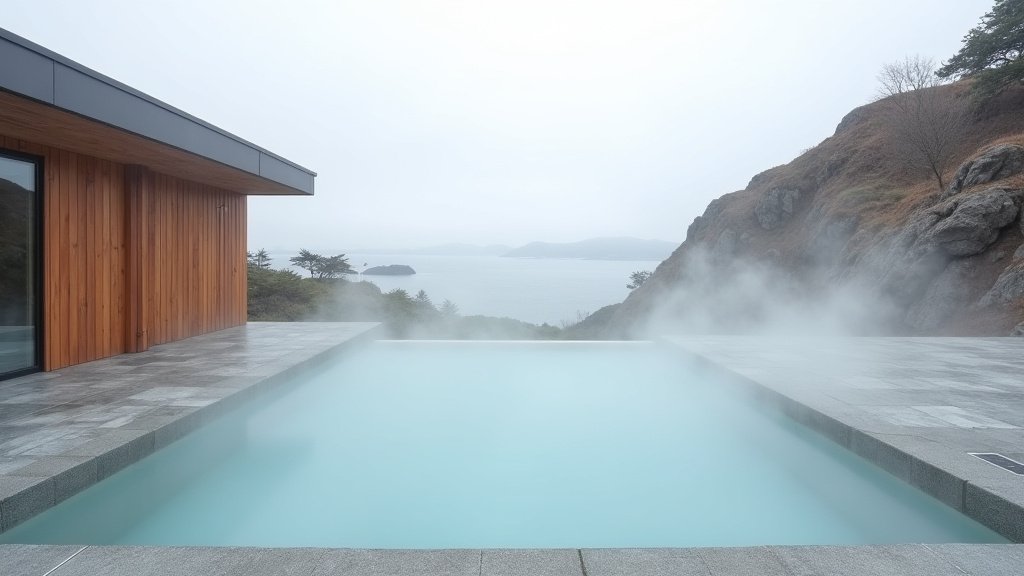
As the leaves turn and the air chills along the Pacific coastline, the travel industry is witnessing a profound evolution in how we define a getaway. Gone are the days of hyper-scheduled, adrenaline-fueled itineraries. For Fall 2026, the West Coast is pivotally shifting toward what hospitality experts call “Intentional Immersion.” This move is driven by a collective desire for restoration, digital detoxification, and an embrace of raw natural elements, even when the weather turns volatile. From the steamy, quiet corners of Sausalito to the revitalized vineyards of Napa, travelers are seeking meaning over miles.
Key Highlights
- Nordic-Style Restoration: The popularity of thermal soaking has exploded, with the Fjord in Sausalito serving as the premier anchor for the Nordic-wellness trend.
- The Sober-Curious Wine Pivot: Napa and Sonoma Valley are actively rebranding, offering premium non-alcoholic pairings and mindful tasting experiences as sober-curious tourism hits record growth.
- El Niño Storm-Watching: Coastal resorts are monetizing the intense weather patterns predicted by El Niño, turning storm-watching into a pilgrimage for nature enthusiasts.
- Analog Escapes: A concerted effort to ditch digital devices is driving bookings at remote, “unplugged” cabins across the Pacific Northwest and Northern California.
The New West Coast Escape: Why Fall 2026 Is Redefining Travel
The travel landscape of Fall 2026 is less about the “Instagram moment” and more about the internal shift. Whether it is the primal draw of a storm-beaten coastline or the quiet stillness of a thermal bath, the West Coast is positioning itself as the global hub for restorative tourism. This shift represents a rejection of the frantic pace of the early 2020s, favoring experiences that ground the traveler.
The Nordic Wave: Thermal Soaking in Sausalito
Perhaps the most prominent example of this trend is the rise of the “Fjord” experience in Sausalito. Nordic-style thermal soaking—characterized by the contrast of intense heat (sauna) followed by cold exposure (plunge pools)—is no longer a niche wellness activity; it has become a central travel objective. The Fjord in Sausalito has set the industry standard, creating a space where the rhythm of the tide meets the discipline of the sauna. Unlike the crowded resort spas of the past, these facilities prioritize silence, steam, and the sensory experience of cold Pacific air against warmed skin. It is an architecture of calm that mirrors the broader societal movement toward self-regulation and stress management.
Redefining the Vineyard: The Sober-Curious Revolution
For decades, the “wine country” archetype was defined by excess. In Fall 2026, that archetype is being dismantled. As consumer habits shift toward health-conscious consumption, Napa and Sonoma are experiencing a significant pivot. Vineyards are now leaning heavily into “sober-curious” programming. This is not merely about offering sparkling water; it is about sophisticated, high-end de-alcoholized wine pairings and farm-to-table culinary experiences that stand on their own merit. By de-emphasizing the alcohol and increasing the emphasis on viticulture, soil health, and terroir, these estates are attracting a demographic that values the craft of winemaking without the hangover. This economic pivot has been a lifeline for smaller wineries looking to expand their reach to Gen Z and millennial travelers who are increasingly prioritizing longevity and mental clarity.
Chasing the Storm: The El Niño Phenomenon
While previous travel cycles feared bad weather, the 2026 traveler is actively seeking it. The ongoing El Niño conditions have transformed the West Coast coastline into a theater of natural power. Resorts in Oregon, Washington, and Northern California are reporting record interest in “storm-watching packages.” These are not merely stays; they are immersive experiences that frame the violence of the Pacific Ocean as a form of meditative entertainment. Guests are provided with high-end, waterproof gear, thermal blankets, and expert guides who explain the meteorology behind the waves. This trend speaks to a deeper psychological desire to be humbled by nature—to witness the raw scale of the planet at a time when digital environments feel increasingly artificial.
The Rise of the Analog Escape
Finally, we must address the “Analog Escape.” In an era of constant connectivity, the ultimate luxury is no longer high-speed Wi-Fi; it is the absence of it. Lodges and independent rental properties across the West Coast are actively promoting “zero-connectivity” stays. These sites are equipped with record players, libraries, wood-burning stoves, and zero cellular service. This trend is gaining traction among high-stress professionals looking to break the feedback loop of their work lives. It is an intentional disconnection that forces guests to engage with their surroundings, their companions, and themselves. The economic impact of this trend is notable: properties that “unplug” are seeing higher retention rates and premium price points, proving that the market places a high value on tranquility.
Secondary Angles: The Mechanics of the Trend
To understand the sustainability of these trends, we must examine the intersection of psychology, economics, and climate.
1. The Psychology of Intentionality: We are seeing a shift from “consumption-based” travel (buying souvenirs, hitting tourist traps) to “state-based” travel (seeking a specific internal feeling, such as peace or awe). This is a direct response to the “always-on” burnout culture.
2. Economic Resilience: By diversifying away from traditional alcohol-centric wine tourism, the hospitality sector in the North Bay is insulating itself against changing legislative and cultural attitudes toward substance use, ensuring long-term revenue stability.
3. Climate-Responsive Tourism: The normalization of storm-watching suggests that the travel industry is successfully pivoting toward a “resilience narrative” regarding climate change. Instead of hiding from extreme weather, destinations are integrating it into the value proposition, a critical move for coastal tourism in a warming world.
FAQ: People Also Ask
Q: Why is Sausalito becoming the center of the Nordic thermal trend?
A: Sausalito offers a unique geographical and atmospheric combination—proximity to the Pacific chill, historic bay views, and a sophisticated demographic eager for wellness-based travel. The Fjord has leveraged this to create an authentic, high-end thermal experience that feels grounded in the local environment.
Q: Is “sober-curious” travel just a trend for the young?
A: No. While it is heavily favored by Gen Z, the “sober-curious” movement is a significant cross-generational shift. Older travelers are increasingly opting for zero-proof pairings due to health and wellness goals, making it a sustainable and permanent shift in the hospitality sector.
Q: How dangerous is storm-watching in Fall 2026?
A: Safety is a priority. Professional lodges now employ meteorologists and guides to ensure that “storm-watching” remains a spectacle of safety, provided within controlled, protected environments or through expert-led tours that emphasize observation over participation in the elements.
Q: Will analog escapes eventually become mainstream?
A: While “unplugged” will likely remain a boutique offering, the underlying desire for digital detachment is mainstream. We expect to see more hotels offering “digital detox” add-ons or secure lockers for devices, even in luxury urban settings, as a permanent fixture of guest service.