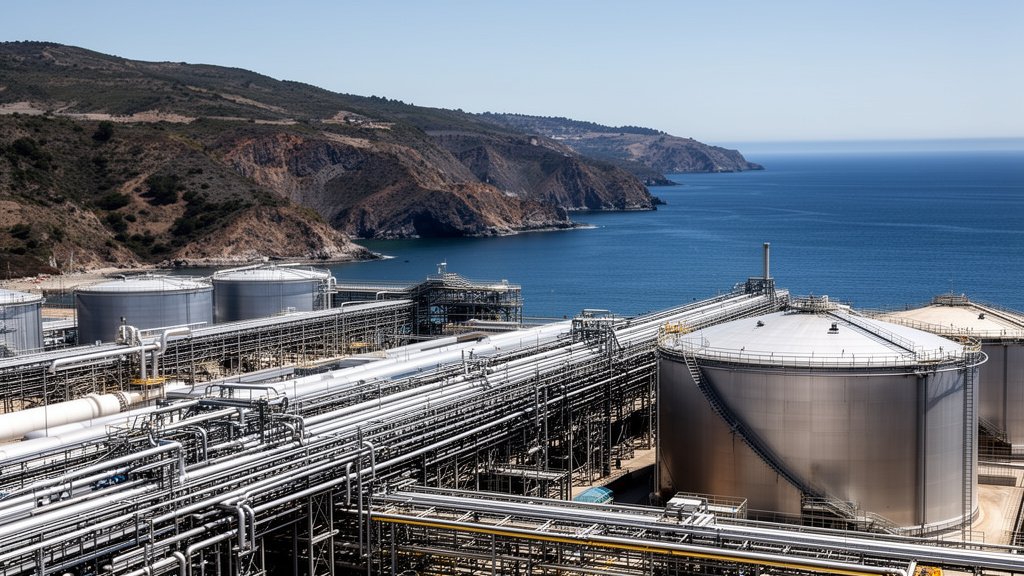
The Carney administration has initiated a critical 30-day notice period to formally designate a major Alberta-proposed oil pipeline to the West Coast as a project of national interest. This aggressive policy maneuver, facilitated by the implementation of Bill C-5, signals a fundamental shift in how the federal government prioritizes large-scale energy infrastructure. By invoking this designation, the administration aims to bypass traditional regulatory gridlock, effectively streamlining the path for landlocked bitumen to reach international markets.
Key Highlights
- 30-Day Notice Triggered: The federal government has officially commenced a one-month assessment window to categorize the pipeline project as a priority of national interest.
- Legislative Mechanism (Bill C-5): The administration is leveraging Bill C-5 as the primary legal framework to expedite federal oversight and mitigate provincial-level obstruction.
- Economic Strategic Goal: The project aims to reduce the price discount on Canadian crude by opening direct access to high-demand Pacific markets.
- Regulatory Shift: The move represents a significant centralization of energy infrastructure approval, shifting power away from regional regulatory bodies toward federal mandate.
Strategic Energy Corridor: The National Interest Designation
The decision to label the Alberta-to-West Coast pipeline as a project of national interest is more than a bureaucratic update; it is a declaration of intent from the Carney government to reassert federal control over the national economy. For years, the energy sector has struggled with the “landlocked” nature of its primary product. Without reliable access to tidewater, Canadian producers have historically been forced to sell at a discount to the U.S. market, billions of dollars in potential revenue left on the table annually. By utilizing the authority granted under Bill C-5, the government is essentially creating an express lane through the complex regulatory thicket that has stifled previous attempts at cross-provincial infrastructure development.
The Legislative Power of Bill C-5
Bill C-5 stands at the epicenter of this controversy and potential success. Designed to optimize project timelines, the bill provides the federal cabinet with the authority to declare projects of “strategic national significance.” This bypasses, or in some cases overrides, specific municipal and provincial regulatory hurdles that have historically caused multi-year delays. Critics argue this is an encroachment on provincial rights, but the Carney administration maintains that for the national economy to remain competitive—particularly against global energy exporters—the federal government must be the final arbiter of major infrastructure projects that transcend provincial borders.
Economic Implications and Market Access
To understand the gravity of this move, one must look at the math of global energy supply. Canadian crude, particularly from the Western Canadian Sedimentary Basin, currently trades at a persistent discount compared to Brent or West Texas Intermediate (WTI) crude. This “differential” is primarily caused by a lack of pipeline capacity to reach the Pacific coast. By moving forward with the national interest designation, the government is signaling to global investors that the project is not just likely to succeed, but is now a government-backed priority. This drastically reduces the risk profile for investors and opens the door for significant capital injection into the Pacific Energy Terminal infrastructure, which serves as the pipeline’s endpoint.
The 30-Day Window and Public Consultation
While the national interest designation is a powerful tool, the 30-day notice period is a crucial phase of due diligence. During this month, the administration is mandated to accept feedback from stakeholders, including First Nations, environmental groups, and provincial governments. However, political analysts suggest that the “national interest” label carries significant weight—often acting as a signal that the government has already cleared the necessary preliminary hurdles and is committed to seeing the project through to the finish line. The challenge now lies in the government’s ability to balance this aggressive industrial strategy with its stated environmental commitments. Observers are watching closely to see if this designation includes strict carbon-offset requirements or state-of-the-art leak prevention technologies as part of the “national interest” package.
Environmental and Indigenous Relations
This move has immediately polarized stakeholders. Indigenous communities along the proposed route have expressed mixed reactions; some see the economic benefit of employment and equity stakes, while others cite environmental risks and sovereignty concerns. The Carney government is walking a tightrope. To ensure this project survives legal challenges, the administration will likely need to offer unprecedented partnership agreements that go beyond simple revenue sharing, potentially incorporating co-management roles for the infrastructure. This is the new reality of industrial development in Canada: projects of national interest are no longer just about engineering and geography, but about social license and long-term equity partnership.
Long-Term Energy Security and Future Predictions
The long-term strategy here is clear. As the world transitions toward cleaner energy, fossil fuels are being utilized with higher efficiency and lower carbon intensity. By modernizing export infrastructure, Canada is positioning its energy sector to be a reliable, ethical, and high-standard supplier for the Asian market. If the Carney government successfully navigates this 30-day notice period and clears the initial hurdles of Bill C-5, it will set a precedent for future major infrastructure projects—from hydrogen pipelines to critical mineral corridors. This is a bellwether moment; if this pipeline succeeds, it confirms the government’s willingness to use the full weight of its office to drive industrial policy, setting a tone for a more interventionist, economically focused administration.
FAQ: People Also Ask
Q: What exactly does ‘Project of National Interest’ mean for this pipeline?
A: It means the federal government has identified the project as essential to the economic well-being of the country, granting it a priority status that allows the federal cabinet to expedite regulatory approvals and bypass certain local or provincial roadblocks that would otherwise delay the project for years.
Q: How does Bill C-5 facilitate this specific pipeline approval?
A: Bill C-5 serves as the legislative vehicle that grants the federal government the legal power to make such declarations. It codifies the criteria for “strategic significance” and streamlines the regulatory path, providing a legal shield against protracted litigation that often halts large-scale infrastructure projects.
Q: What is the significance of the 30-day notice period?
A: The 30-day period is a mandated window for the government to solicit and review final feedback from stakeholders, including environmental agencies, indigenous nations, and provincial partners. While it is a consultation period, it also marks the final administrative step before the government can officially and irrevocably lock in the ‘national interest’ designation.
Q: Will this pipeline address the crude oil price differential?
A: Yes. The primary economic driver for this project is providing Western Canadian crude direct access to the West Coast and subsequently to Pacific markets. By eliminating the current pipeline capacity bottleneck, it allows producers to seek better market pricing, directly narrowing the current price differential between Canadian crude and global benchmarks like WTI.