California’s energy infrastructure is confronting an unprecedented stress test as jet fuel inventories plummet to their lowest levels in two years. The convergence of a major geopolitical conflict in the Middle East and California’s uniquely isolated energy market has created a precarious supply deficit, forcing state officials and airline carriers into emergency planning mode just weeks before a massive influx of international travelers for the 2026 World Cup. With local refineries shuttered and imported supplies bottlenecked by the closure of key maritime arteries, the state is effectively running on fumes.
Key Highlights
- Critical Stockpile Levels: California’s jet fuel reserves have dropped by over 25% from last year’s peak, reaching levels unseen since 2023.
- The Geopolitical Bottleneck: The ongoing conflict involving Iran has severely impacted the Strait of Hormuz, disrupting the critical maritime tanker routes that deliver refined products to West Coast ports.
- World Cup Travel Risk: Hospitality and aviation experts warn that the fuel shortage threatens flight availability and price stability just as Los Angeles prepares for the start of the 2026 World Cup in June.
- Infrastructure Vulnerability: Decades of refinery closures and a lack of pipeline connectivity to the rest of the U.S. have left California with almost no buffer against supply chain shocks.
The Perfect Storm: Geopolitics Meets Infrastructure
The current crisis in California is not merely a result of sudden global events; it is the manifestation of a long-developing structural fragility. For years, energy analysts have warned that California operates as an ‘energy island.’ Unlike the rest of the United States, which benefits from an interconnected network of pipelines, California relies heavily on waterborne imports of crude oil and finished petroleum products. This reality makes the state disproportionately vulnerable to any disruption in global shipping lanes.
The Strait of Hormuz Crisis
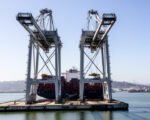
When conflict erupted in the Middle East, specifically affecting the Strait of Hormuz, the global oil supply chain shuddered. With a significant percentage of global oil trade typically passing through this choke point, the immediate result was a constriction of throughput. For California, which relies on a constant stream of maritime tankers to feed its remaining refineries and distribution terminals, the delay is catastrophic. Industry data indicates that tankers currently in transit represent the final buffer; once they are offloaded, there are no immediate replacements in the queue, creating a looming ‘dry’ period that analysts estimate could begin in mid-May.
The Refinery Retreat
Compounding the geopolitical tension is the domestic contraction of refining capacity. The recent closure of the Phillips 66 refinery in Los Angeles and the planned idling of the Valero Benicia Refinery have removed roughly 20% of the state’s total refining capacity from the grid in a single year. These closures, driven by a combination of market forces, regulatory pressure, and long-term climate transition mandates, have left the state with a reduced ability to convert crude into the specific, environmentally mandated fuel blends required for California distribution. As demand from airlines and commercial logistics increases, the diminishing in-state production can no longer bridge the gap, forcing an uncomfortable reliance on foreign imports that are currently being choked off by war.
The 2026 World Cup and the Aviation Crunch
The timing of this fuel shortage could not be more critical. In June, Los Angeles is set to host major matches for the 2026 World Cup, an event expected to draw hundreds of thousands of international and domestic visitors. Aviation fuel is not just a commodity; it is the lifeblood of the tourism and hospitality sectors. Airline carriers, already facing thin margins, are beginning to sound the alarm on potential flight cancellations and route suspensions to and from California hubs.
The Logistics of Shortage
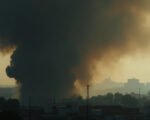
Unlike gasoline, which can sometimes be diverted from other regional markets, jet fuel is highly specialized. When supply tightens, the ripple effects are immediate: higher ticket prices for consumers, reduced cargo capacity, and the potential for a cascading failure in ground support. Hospitality experts, including those from the Paris 1 Panthéon-Sorbonne University, have pointed out that the ‘black cloud’ hanging over the Pacific shipping lanes is directly correlated with the rising uncertainty in the travel sector. If the fuel supply remains at these record-low levels as the summer season begins, the state may face a localized economic contraction, effectively grounding the tourism recovery that the World Cup was intended to ignite.
Political Pressure and Transparency
In response to the mounting crisis, the bipartisan Problem Solvers Caucus in the California State Legislature, led by figures such as Senator Suzette Martinez Valladares, has demanded immediate transparency from the California Energy Commission. The Caucus is pressing for answers on the state’s emergency preparedness, specifically regarding whether regulators will consider temporary waivers to increase fuel supply flexibility. Critics argue that the administration’s focus on long-term climate goals has ignored the short-term reality of energy security, leaving the state’s economy exposed to external shocks it has no mechanism to absorb.
FAQ: People Also Ask
1. Why does California have a ‘special’ fuel shortage compared to other states?
California uses a unique, high-specification fuel blend required by state air quality regulations. Because this fuel cannot be easily shipped from other U.S. refineries, the state is forced to rely on specific in-state production or specialized foreign imports, leaving it isolated when global supply chains break.
2. Will this lead to flight cancellations during the World Cup?
It is a significant risk. If jet fuel inventories are not stabilized by increased imports or shifts in supply logistics, airlines may be forced to limit capacity, merge routes, or cancel flights to protect their existing fuel reserves, directly impacting travelers coming to California for the games.
3. Is there a chance the government will intervene to lower prices?
The state has emergency authorities, including the potential to waive certain environmental standards temporarily to allow for more flexible fuel types, but the administration is currently balancing this against long-standing climate policy commitments. There is no guarantee of such intervention at this time.
4. How long will this crisis last?
Industry analysts tracking maritime shipping lanes suggest that the current cushion of fuel will likely run out within the next 2–3 weeks. Unless new shipments are secured or in-state refining throughput is miraculously increased, the shortage could extend until the geopolitical situation stabilizes or new import routes are established.