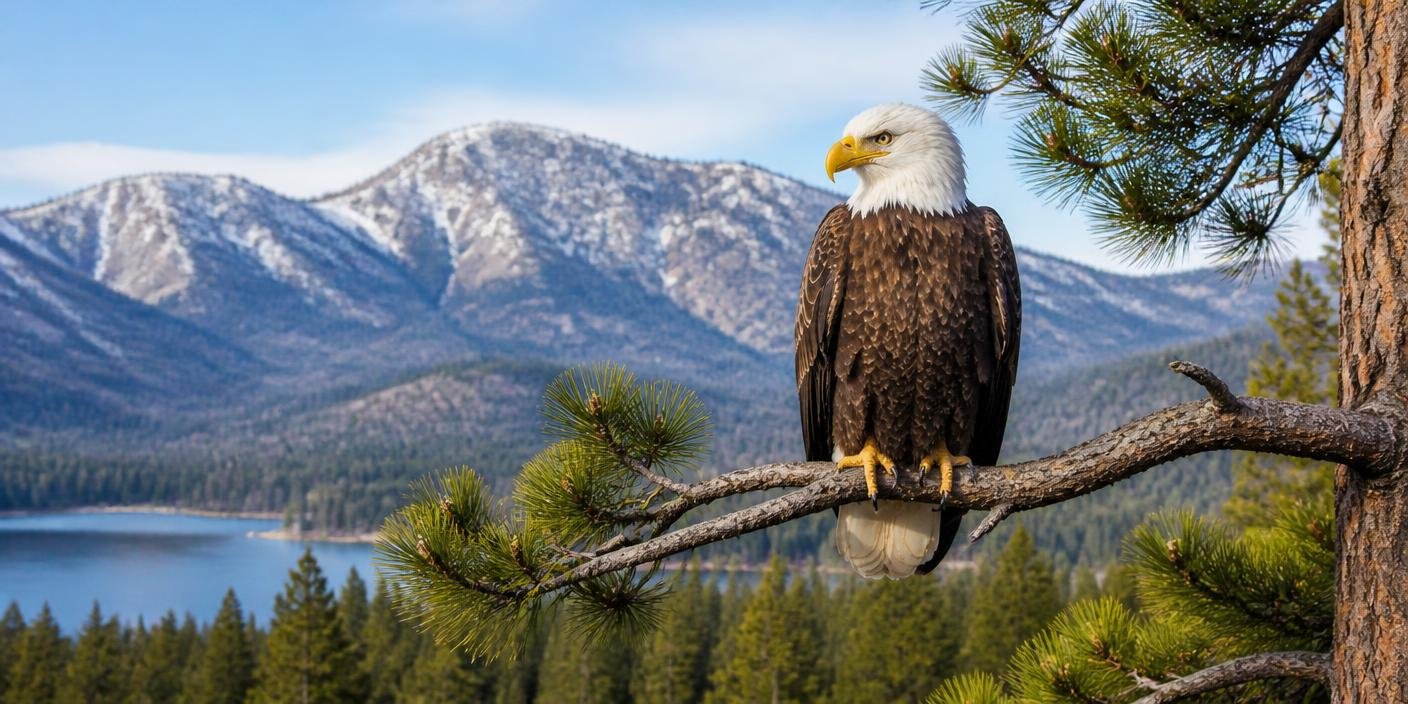
The death of Jackie, the celebrity bald eagle of Big Bear Valley, has been officially confirmed as the result of Highly Pathogenic Avian Influenza (HPAI), commonly known as bird flu. The necropsy, conducted following her passing, has sent shockwaves through the conservation community and the legions of fans who followed her life via the famous Friends of Big Bear Valley livestream. This tragic loss serves as a grim sentinel for a much larger, often invisible crisis: a persistent and devastating epidemic of H5N1 tearing through raptor populations across Southern California and beyond.
The Demise of an Icon
For years, Jackie provided an intimate look into the life of a wild bald eagle. Her nesting habits, the rearing of her eaglets, and her resilience against the harsh mountain climate made her a figure of global fascination. When she was found deceased, the immediate question was whether her death was natural or environmental. The confirmation by the California Department of Fish and Wildlife (CDFW) that H5N1 was the cause of death highlights the vulnerability of even the most resilient apex predators to this avian pathogen. The virus, which has wreaked havoc on domestic poultry farms worldwide, has successfully jumped to wild raptors—birds that are uniquely susceptible due to their scavenging habits and position at the top of the food chain.
The Mechanics of an H5N1 Epidemic
Understanding why Jackie’s death is significant requires a closer look at the pathology of the current H5N1 strain. Unlike previous iterations of avian influenza, this highly pathogenic variant is remarkably persistent in the environment and has demonstrated an uncanny ability to cross-species barriers. Raptors are particularly at risk. Because these birds often feed on carcasses or sickened prey, they are frequently exposed to concentrated viral loads.
When a bird like Jackie contracts the virus, the progression can be swift and fatal. In Southern California, the CDFW and local environmental organizations have been tracking a rising number of raptors—including hawks, owls, and other eagle species—showing symptoms of the flu. These symptoms often include neurological impairment, lethargy, and respiratory distress, which frequently lead to the inability to hunt or protect territory. The death of a high-profile individual like Jackie provides the data points researchers need to track the spread of the virus within wild ecosystems, proving that the threat is not confined to commercial facilities but is deeply embedded in the wild landscape.
Ecological Ripples and the ‘One Health’ Challenge
The loss of a breeding adult like Jackie has consequences that ripple far beyond the immediate grief of her followers. In the fragile ecosystem of the San Bernardino Mountains, the removal of a reproductive eagle affects the overall health of the raptor population. Her absence leaves an empty territory and a disrupted reproductive cycle, which can impact the local biodiversity balance.
This incident underscores the critical importance of the ‘One Health’ framework—a collaborative approach that recognizes the health of humans, animals, and the environment are inextricably linked. Wildlife biologists are now struggling to monitor the extent of the epidemic. Tracking mortality in wild birds is exponentially more difficult than in domestic flocks, where containment and testing are systematic. In the wild, most avian deaths go unrecorded, making the confirmation of H5N1 inJackie a vital, albeit tragic, metric for quantifying the epidemic’s scope. Experts are urging the public to be vigilant, suggesting that any sightings of lethargic or deceased raptors should be reported immediately to wildlife agencies rather than handled by well-meaning but untrained citizens, as the virus can potentially persist in the environment.
Challenges in Wildlife Mitigation
As conservationists grapple with the ongoing outbreak, a significant hurdle remains: the lack of viable, large-scale vaccination strategies for wild raptor populations. Unlike domestic poultry, where biosecurity and vaccination protocols are the standard for control, wild birds present an logistical nightmare for intervention. Currently, the primary focus remains on monitoring, data collection, and attempting to prevent the further spread through public education and the safe handling of bird carcasses. The death of Jackie has reignited discussions on whether more active management strategies are necessary to protect endangered and threatened raptor species as this virus continues to circulate.
FAQ: People Also Ask
Is it safe to watch bird nests or observe raptors in the wild now?
Generally, yes. The primary danger comes from direct contact with infected birds or their bodily fluids. Observing birds from a safe, respectful distance as recommended by wildlife authorities remains safe. However, you should never attempt to handle a sick or dead bird yourself.
Can H5N1 (Bird Flu) infect humans?
While H5N1 is highly infectious among birds, human cases are rare and usually result from prolonged, close contact with infected animals. However, the CDC continues to monitor the situation closely. If you find a sick or dead bird, do not touch it; report it to your local wildlife or agricultural department.
Why are raptors specifically being hit so hard by this epidemic?
Raptors are at a higher risk because they are often apex predators or scavengers. This means they are more likely to consume the carcasses of other birds that have died from the virus, which may contain high concentrations of the influenza pathogen.
Will Jackie’s death lead to changes in local conservation efforts?
Wildlife agencies and conservation groups like Friends of Big Bear Valley are using this data to push for increased monitoring and improved rapid-response protocols. While specific management changes are still being discussed, the public awareness generated by Jackie’s case is acting as a catalyst for better funding and attention toward wild bird health surveillance.