An intense atmospheric river is battering the West Coast, bringing a deluge of heavy rain, significant snowfall, and widespread flood warnings to millions. This powerful weather system is expected to dump feet of snow in the mountains and inches of rain across lower elevations, raising concerns for flash flooding, mudslides, and hazardous travel conditions throughout the region.
Key Highlights:
- A potent atmospheric river is making landfall on the West Coast.
- Heavy rainfall is predicted for coastal and valley areas, increasing flood risk.
- Significant snowfall is expected in higher elevations, creating winter storm conditions.
- Flood watches and warnings have been issued across multiple states.
- Residents are advised to prepare for potential disruptions and hazardous weather.
Weather System Unleashes Fury Across Western States
This powerful storm system, characterized by an atmospheric river, is drawing moisture from the Pacific Ocean and dumping it onto the West Coast. Forecasters are warning of a ‘prolific’ amount of precipitation, with some areas anticipating rainfall totals that could lead to dangerous flooding. The National Weather Service (NWS) has issued flood watches and warnings for large swathes of California, Oregon, and Washington, urging residents in low-lying areas and near rivers to take necessary precautions. The sheer volume of rain is a significant concern, potentially overwhelming drainage systems and causing widespread inundation.
Snowfall Blankets Mountain Ranges
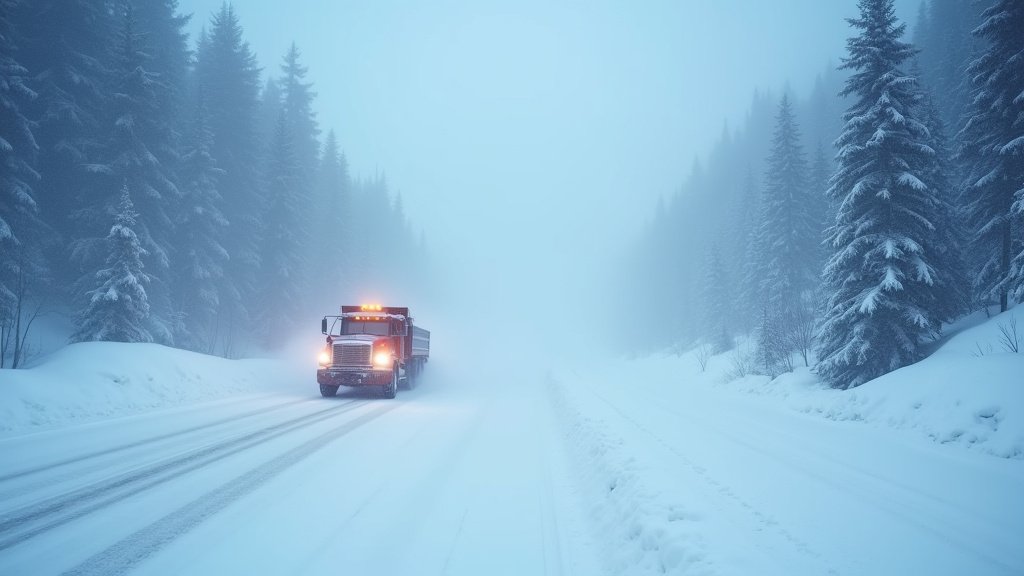
In the higher elevations, the story is one of extreme snowfall. Mountain communities from the Sierras to the Cascades are bracing for blizzard-like conditions. Snowfall totals are projected to reach several feet, making travel through mountain passes treacherous, if not impossible. Ski resorts are celebrating the abundant snow, but road closures are highly likely, impacting supply chains and local access. Avalanche warnings may also be issued as heavy snow piles up on steep slopes. The influx of snow is crucial for replenishing winter snowpack, which is vital for water resources during the drier months, but the immediate impact is on safety and mobility.
Flood Risks and Evacuations
The primary concern for many populated areas is the risk of flooding. Heavy rain falling on saturated ground, combined with potential levee breaches and overflowing rivers, creates a recipe for disaster. Emergency management agencies are on high alert, pre-positioning resources and preparing for potential evacuations. Residents are being advised to have emergency kits ready, stay informed about changing conditions, and avoid unnecessary travel. Flash flooding can occur rapidly, turning normally dry washes and streets into dangerous torrents. Landslides are also a significant threat in areas with steep terrain, especially after prolonged periods of heavy rain.
Entities Involved and Preparedness Efforts
Key agencies like the National Weather Service (NWS) are providing critical real-time forecasts and advisories. State Departments of Transportation (DOTs) are mobilizing crews to address road closures and potential damage. Emergency management offices at federal, state, and local levels are coordinating response efforts, including the deployment of swift-water rescue teams and the opening of emergency shelters. The U.S. Geological Survey (USGS) will be monitoring river levels and landslide potential. Preparing for such events involves collaboration between these entities to ensure public safety and mitigate damage.
Secondary Angles:
- Economic Impact: The storm’s impact on transportation and commerce could be substantial, with potential disruptions to shipping, agriculture, and tourism. However, the heavy snowfall could provide a boost to the winter sports industry later in the season.
- Infrastructure Strain: The prolonged and intense precipitation will test the resilience of existing infrastructure, including dams, levees, and storm drain systems. Lessons learned from this event could inform future infrastructure upgrades.
- Climate Change Connection: While individual weather events cannot be solely attributed to climate change, scientists note that atmospheric rivers can become more intense with rising global temperatures, leading to more extreme precipitation events.
FAQ: People Also Ask
What is an atmospheric river?
An atmospheric river is a long, narrow, and concentrated corridor of water vapor in the atmosphere. These “rivers in the sky” transport large amounts of moisture from the tropics or subtropics towards the poles, and when they make landfall, they can produce intense precipitation in the form of rain or snow.
How long will this storm last?
The duration of the storm depends on the specific track and strength of the atmospheric river. Typically, these systems can linger for several days, with periods of heavy precipitation alternating with lulls. The National Weather Service will provide the most accurate and up-to-date forecasts for the region.
What are the biggest dangers associated with this storm?
The primary dangers include widespread flooding, flash floods, mudslides, landslides, heavy snowfall, treacherous travel conditions, power outages, and potential damage to homes and infrastructure.
Should I prepare for evacuation?
If you live in an area prone to flooding, near a river, or in a region that has issued evacuation orders or warnings, you should be prepared to evacuate. Have a go-bag ready and follow instructions from local emergency officials.
Is this storm unusual for the West Coast?
While atmospheric rivers are a known phenomenon and a significant source of precipitation for the West Coast, the intensity and duration of this particular event can vary. However, such powerful storms are not unprecedented and are a recurring feature of the region’s climate.