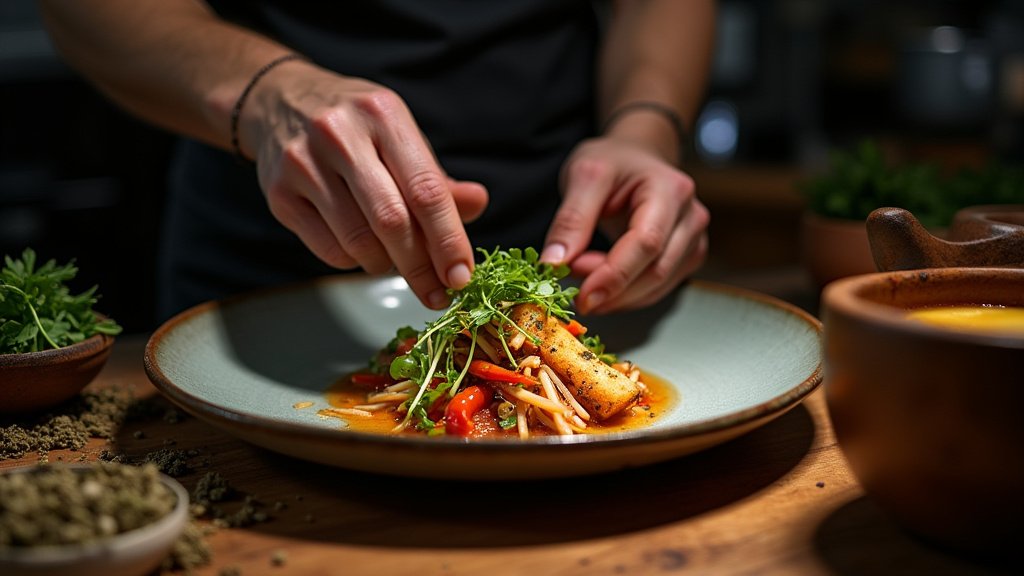
The West Coast culinary landscape is experiencing a vibrant renaissance, defined by a strong commitment to health-conscious dining, sustainable practices, and an adventurous embrace of global flavors. This dynamic evolution is reshaping how people eat and dine across California, Oregon, and Washington.
Key Highlights:
- A surge in plant-based and whole-food-focused menus.
- Emphasis on locally sourced, seasonal ingredients and reduced food waste.
- Growing popularity of diverse international cuisines, from Southeast Asian to Ethiopian.
- Increased integration of technology in food sourcing and delivery.
- A rising consumer demand for transparency in food production.
The Evolving Palate of the Pacific
Health-Conscious Innovations
Restaurants and home cooks alike are prioritizing wellness, leading to an explosion of innovative dishes that are as nutritious as they are delicious. This trend manifests in a variety of ways, including a significant rise in plant-based and vegan options, the meticulous use of whole foods, and a keen focus on ingredients known for their health benefits. Think vibrant grain bowls packed with ancient superfoods, innovative vegetable-centric entrees that steal the show, and artisanal smoothies and juices crafted with functional ingredients. Chefs are adept at transforming traditional comfort foods into healthier versions, often by reducing processed ingredients, unhealthy fats, and refined sugars, while boosting fiber and nutrient density. This movement isn’t just about dietary restrictions; it’s a broader cultural shift towards mindful eating and proactive health management, where food is seen as a vital component of overall well-being.
Sustainability at the Forefront
Environmental consciousness is no longer a niche concern but a central pillar of the West Coast food scene. Restaurants are increasingly committed to sourcing ingredients from local farms and fisheries, not only to ensure peak freshness and flavor but also to support regional economies and reduce the carbon footprint associated with long-distance transportation. This dedication extends to minimizing food waste through innovative composting programs, nose-to-tail butchery, and root-to-stem vegetable utilization. Chefs are forging direct relationships with farmers, understanding the provenance of their ingredients, and often featuring these partnerships prominently on their menus. Concepts like