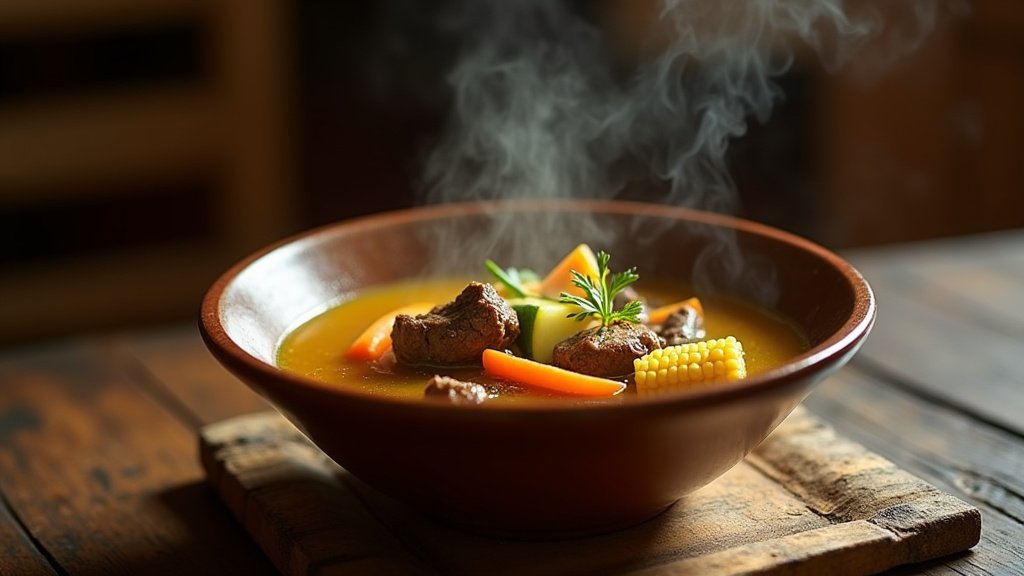
In the sweltering heat of a Southern California July, where temperatures frequently crest 95°F, most individuals seek refuge in chilled beverages or air-conditioned interiors. Yet, in kitchens from Boyle Heights to San Diego, a different ritual prevails: the simmering of large pots of caldo de res or caldo de pollo. For generations of Mexican-American families, this scorching bowl of broth is not a seasonal mistake but a deliberate, restorative strategy. Often referred to colloquially as ‘Mexican Gatorade,’ the hot soup acts as a vital physiological and cultural anchor, offering hydration, electrolyte replenishment, and a profound sense of continuity during the most intense months of the year.
The Physiological Science: Why Heat Begets Heat
At first glance, consuming hot liquid in extreme heat seems counterintuitive to human survival. However, the logic is rooted in the science of thermoregulation. When a person consumes a hot broth, the body’s internal temperature rises slightly, triggering the hypothalamus to increase sweat production. In dry, arid climates typical of Southern California, that sweat evaporates rapidly from the skin, a process that removes heat from the body far more effectively than merely cooling the skin’s surface.
Unlike an ice-cold beverage, which can cause rapid vasoconstriction—potentially trapping body heat—a hot, mineral-rich broth provides sustained cooling. This is the physiological mechanism that makes caldo an effective, if non-traditional, tool for managing summer thermal stress. By inducing a healthy, steady sweat, the consumer experiences a sustained cooling effect that can outlast the brief, shock-induced refreshment of an iced drink.
The ‘Mexican Gatorade’ Effect: Mineral Density
The term ‘Mexican Gatorade’ is more than a cultural quip; it is an acknowledgment of the nutritional density inherent in traditional caldo. Authentic caldo de res—a hearty beef stew featuring bone-in cuts, corn on the cob, carrots, zucchini, cabbage, and chayote—is rich in sodium, potassium, and magnesium.
When bodies are taxed by high temperatures, they lose essential electrolytes through perspiration. While commercial sports drinks rely on laboratory-formulated sodium levels and high-fructose corn syrup, caldo provides a whole-food alternative. The slow-simmered bone broth leaches essential minerals directly into the liquid, providing an electrolyte-rich solution that is easily absorbed. In many Mexican-American households, this broth is the primary tool for combating heat exhaustion, serving as a functional food that sustains the labor-intensive lifestyles of the working class in the region.
Cultural Identity and Culinary Resilience
Beyond the physiological, the persistence of summer caldo is a marker of cultural identity. Food historians note that in many Mexican-American enclaves in Southern California, the kitchen serves as the central node of family connection. The act of preparing caldo is time-consuming, requiring hours of simmering. This ‘slow food’ approach stands in direct opposition to the hyper-processed, fast-food convenience culture that dominates the American landscape.
By continuing to prioritize caldo throughout the summer, families are maintaining a sensory link to their ancestry. The specific blend of herbs—cilantro, oregano, and sometimes hierbabuena—acts as a nostalgic trigger, reinforcing the idea that health and wellness are community-driven efforts rather than individual, transactional purchases. The broth is a culinary bridge that connects the immigrant experience of the past to the realities of the present, signaling that while the geography has changed, the fundamental strategies for survival and comfort have remained intact.
Economic Impact: The Value of the Whole Beast
From an economic perspective, caldo is a masterpiece of resourcefulness. The dish relies on secondary cuts of meat—shank, neck, or brisket—that are often more affordable than premium steaks or chops. In a state like California, where the cost of living remains a critical concern for working-class families, the ability to stretch a small amount of meat into a multi-day, nutrient-dense feast is a vital economic skill.
The vegetables used in caldo are also staples that are frequently sourced from local, regional produce markets, further grounding the dish in the SoCal ecosystem. This creates a circular, affordable food system that prioritizes long-term health and economic stability over the expensive, ’empty’ calories often found in processed convenience foods. By making caldo a summer staple, families are essentially practicing a form of culinary self-reliance that protects the household budget against the rising costs of inflation.
Looking Ahead: The Future of ‘Caldo’ as Functional Food
As global temperatures continue to rise, the traditional wisdom of ‘hot soup in hot weather’ is gaining traction in broader, non-traditional circles. Wellness trends are increasingly pivoting toward ‘functional broths’ and ancestral diets. We are seeing a shift where regional Mexican foodways are being recognized not just for their flavor profiles, but for their scientific efficacy in managing environmental stress.
Moving forward, it is likely that the culinary practices of Southern California’s Mexican-American communities will continue to influence broader dietary patterns. As public health initiatives look for ways to combat heat-related illnesses among vulnerable populations, the ‘Mexican Gatorade’ model offers a low-cost, effective, and culturally sensitive framework for hydration and electrolyte maintenance. The humble bowl of caldo, once dismissed by outsiders as a seasonal contradiction, is proving itself to be one of the most sophisticated, enduring, and pragmatic responses to the realities of a warming world.
FAQ: People Also Ask
Q: Why do people say hot soup is a ‘Mexican Gatorade’?
A: It refers to the high mineral and electrolyte content found in slow-simmered bone broths, particularly caldo de res. These minerals—sodium, potassium, and magnesium—are essential for replenishing what the body loses through sweat, acting as a natural, whole-food alternative to commercial sports drinks.
Q: Is it actually safer to drink hot soup on a hot day?
A: Yes, under the right conditions. Hot liquids can increase your body temperature slightly, which triggers sweating. In arid environments like Southern California, the evaporation of that sweat cools the skin and core body temperature more effectively and for longer periods than cold drinks, which may cause the body to conserve heat.
Q: Does caldo de res have a specific cultural meaning in SoCal?
A: Yes. Beyond its nutritional benefits, it represents cultural continuity. It is a dish that requires significant preparation time, fostering family gathering and honoring traditional cooking methods that persist despite the rapid pace of modern American life.
Q: Are there other ingredients that make it an effective summer meal?
A: Traditional caldo typically includes zucchini, corn, and chayote. These vegetables have high water content, which adds to the total hydration profile of the meal, making it a complete, hydrating, and cooling package.