Monsoon Menace: California on High Alert for Fire Risk
California is bracing for its initial monsoon storms of the season, a meteorological shift that carries a significant and concerning implication: an elevated risk of wildfires. Forecasters are warning that the incoming storms, expected to impact Central California as early as Sunday, could bring dry lightning and strong, gusty winds. While rainfall may be minimal, the presence of lightning in dry conditions has historically been a catalyst for some of the state’s most devastating fires, including the August Complex fire of 2020, which became the state’s first to surpass one million acres burned. The National Weather Service has issued warnings, urging residents to stay vigilant as the weather pattern unfolds. The San Joaquin Valley, in particular, is anticipated to experience extreme heat with temperatures potentially reaching triple digits, exacerbating the fire danger.
The Lingering Threat of Dry Lightning
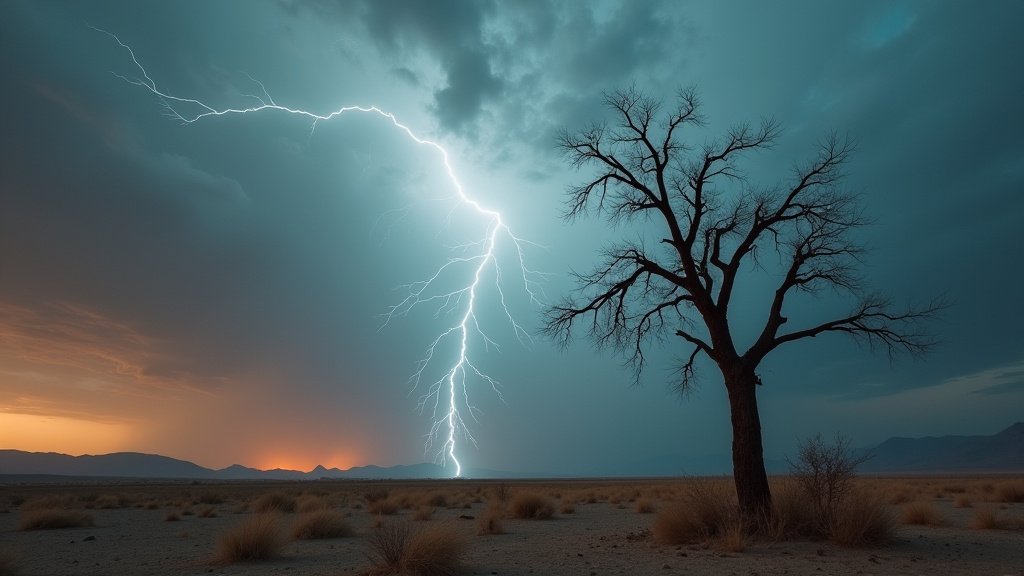
The phenomenon of dry lightning, where thunderstorms produce lightning but little to no rain, is a primary concern for fire officials. These strikes can ignite dry vegetation, rapidly turning a small spark into a large wildfire, especially in the tinder-dry conditions that often prevail in California during the summer months. The August Complex fire in 2020 serves as a stark reminder of this danger; ignited by a widespread lightning siege, it eventually consumed over a million acres and became the largest wildfire in California’s recorded history. The memory of that season, which saw approximately 10,000 fires scorch over 4.2 million acres and caused damages estimated between $7 billion and $13 billion, looms large as the state anticipates new storm activity.
Regional Impacts: From San Joaquin Heat to Desert Flooding
The incoming monsoon systems are not expected to bring widespread relief in the form of rain to all areas. While mountain thunderstorms later in the week might produce some wetting rains in the Sierra Nevada and Owens Valley, these are unlikely to reach the parched San Joaquin Valley. Instead, this region is predicted to endure triple-digit heat, further increasing the susceptibility of its dry landscape to fire. In contrast, desert areas within California face a different, yet equally serious, threat: the potential for flash flooding. The unpredictable nature of monsoon storms means that even areas not typically prone to heavy rainfall can experience sudden and dangerous inundates, according to meteorologists.
Southern California’s Precarious Forecast
Southern California is also within the potential reach of these monsoon conditions. Mountainous regions in counties such as Los Angeles, Ventura, Santa Barbara, and San Luis Obispo have a chance of experiencing lightning from Sunday through Thursday. Alongside this potential for electrical storms, forecasters predict rising temperatures and an increase in humidity levels due to the influx of monsoonal moisture. While some rain is possible, its certainty remains contingent on how the weather system evolves closer to the event. The combination of heat, dry conditions, and potential lightning creates a volatile environment.
Historical Context: The 2020 Fire Season
The year 2020 was a landmark year for destructive wildfires in California, marked by an unprecedented barrage of lightning strikes that ignited thousands of fires. A unique meteorological event in mid-August 2020 saw a storm system from the Pacific produce an estimated 15,000 lightning strikes across the state, with limited accompanying rainfall. This led to the rapid proliferation of fires, many of which merged to form massive “complex” fires. The August Complex, SCU Lightning Complex, and LNU Lightning Complex were among the largest, collectively burning millions of acres and underscoring the devastating potential of dry lightning. This historical precedent fuels current concerns as similar, though less intense, patterns are monitored.
Preparing for the Unpredictable
As California navigates the onset of its monsoon season, authorities emphasize the importance of preparedness and vigilance. Residents in fire-prone areas are urged to heed any evacuation orders, maintain defensible space around their homes, and be aware of the increased risk posed by dry lightning and gusty winds. Meteorologists continue to monitor the developing weather patterns, providing updates as more precise details become available regarding the timing, location, and intensity of the storms. Staying informed through official weather advisories and emergency management channels is crucial for public safety during this heightened risk period.
FAQ: People Also Ask
What is a monsoon storm in California?
A monsoon storm in California refers to a seasonal shift in wind patterns that can bring moisture from the tropics into the state. While monsoons are often associated with heavy rainfall in other regions, California’s monsoon season can bring dry lightning and gusty winds with minimal precipitation, increasing the risk of wildfires.
How does dry lightning increase wildfire risk?
Dry lightning occurs when thunderstorms produce lightning but very little rain. These lightning strikes can ignite dry vegetation, especially during periods of drought or when fuels are extremely dry, leading to rapid wildfire growth.
What was the August Complex fire in 2020?
The August Complex fire was a series of wildfires that merged into a single, massive blaze in Northern California in 2020. It became the largest wildfire in the state’s recorded history, burning over one million acres and serving as a critical example of the destructive potential of widespread dry lightning.
Which areas of California are most at risk from these monsoon storms?
Central California is expected to be affected by the initial storms, with potential lightning. The San Joaquin Valley may experience triple-digit heat, while desert areas are at risk of flash flooding. Southern California’s mountainous regions also have a chance of lightning. Historically, areas prone to dry lightning are at higher risk of new fire ignitions.
What is the predicted rainfall from these monsoon storms?
While some mountain thunderstorms may bring wetting rains later in the week to certain areas like the Sierra Nevada and Owens Valley, widespread significant rainfall is not generally predicted. The primary concern is the potential for dry lightning with minimal precipitation in many affected areas.