The Salish Sea’s delicate saltwater ecosystems are experiencing a remarkable resurgence, thanks to dedicated, place-based restoration efforts spearheaded by the Puget Sound Restoration Fund (PSRF). Focused on tangible projects within iconic areas like Puget Sound, the San Juan Islands, and the Strait of Juan de Fuca, the PSRF is working diligently to re-establish and maintain a healthy marine environment. Their multifaceted approach includes restoring native oyster habitats, revitalizing crucial bull kelp forests, and reintroducing pinto abalone, all of which are foundational to supporting a rich biodiversity of fish, crabs, and marine mammals. Beyond direct habitat restoration, the PSRF is also actively improving water quality through community-driven shellfish farming initiatives and innovative seaweed recycling programs.
Key Highlights:
- Over 150 acres of native oyster habitat restored.
- More than 25 million Olympia oysters and 100,000 pinto abalone outplanted.
- Pioneered the West Coast’s first conservation hatchery for marine species.
- Achieved a global first in regrowing a bull kelp forest near Indianola.
- Active involvement in kelp and Dungeness crab monitoring programs.
Salish Sea Renaissance: A Blueprint for Marine Ecosystem Health
Established nearly three decades ago on Bainbridge Island, the Puget Sound Restoration Fund has become a vanguard in marine conservation, demonstrating that targeted interventions can yield profound ecological benefits. The organization’s commitment to the Salish Sea is evident in its impressive track record. To date, PSRF has successfully restored approximately 150 acres of vital native oyster habitat, a crucial component for filtering water and providing shelter for numerous species. This monumental effort has involved the outplanting of over 25 million Olympia oysters, a native species that had faced severe decline, and 100,000 pinto abalone, another species critical to the health of the kelp forest ecosystem. Their pioneering work extends to operating the West Coast’s first conservation hatchery, a facility instrumental in producing the healthy stock needed for these ambitious restoration goals.
Revitalizing Iconic Habitats: Oysters and Kelp at the Forefront
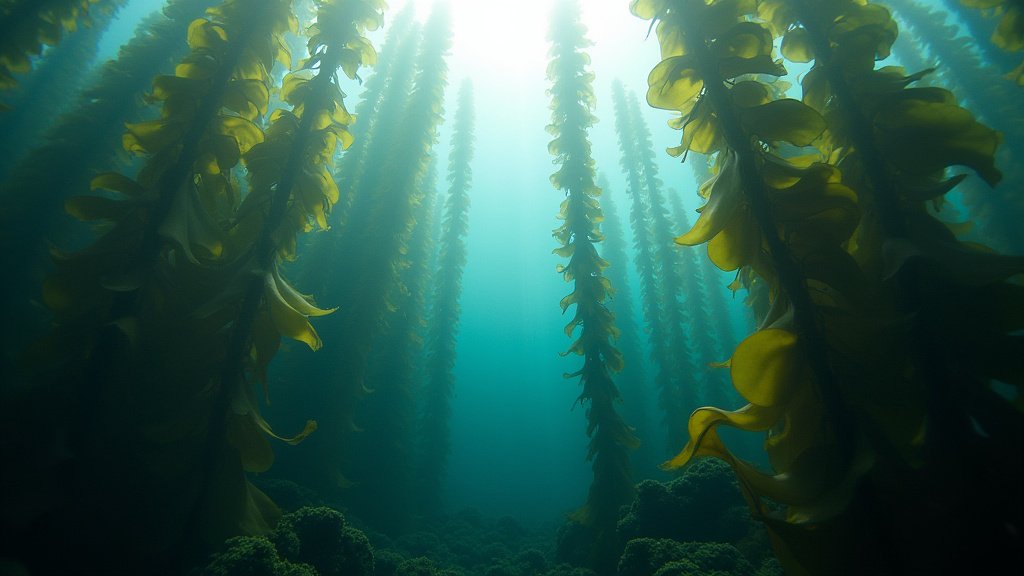
The restoration of bull kelp forests represents a particularly significant achievement. Near Indianola, PSRF successfully facilitated the regrowth of a bull kelp forest, an accomplishment recognized as a global first in ecological restoration. Bull kelp is an essential habitat and nursery ground for a vast array of marine life, and its recovery is a strong indicator of the overall health of the Salish Sea. Complementing these efforts are initiatives focused on improving water quality and supporting local economies. Community shellfish farms and seaweed recycling programs not only enhance the marine environment by filtering pollutants but also provide sustainable economic opportunities for coastal communities. These programs underscore PSRF’s holistic vision: a healthy marine system is intrinsically linked to thriving human communities.
Community Engagement and Scientific Monitoring
PSRF’s approach is deeply rooted in community involvement and rigorous scientific monitoring. Their work with Dungeness crab populations and kelp monitoring programs ensures that restoration efforts are data-driven and adaptable. By engaging local communities in shellfish farming and educational initiatives, PSRF fosters a sense of stewardship and shared responsibility for the Salish Sea’s future. This collaborative spirit is essential for the long-term success of conservation initiatives, transforming scientific endeavors into community-wide commitments. The organization’s nearly 30 years of dedication highlight a sustained commitment to understanding and reversing the ecological damage of the past, offering a powerful model for other coastal regions facing similar environmental challenges.
The Broader Impact: A Ripple Effect for Biodiversity
The positive impacts of PSRF’s work ripple far beyond the immediate restoration sites. Healthy oyster beds act as natural filters, improving water clarity and quality, which in turn benefits all marine life. Thriving bull kelp forests provide essential habitat, food, and protection for countless species, from small invertebrates to commercially important fish and marine mammals like seals and porpoises. The recovery of these foundational habitats is critical for maintaining the biodiversity and ecological balance of the Salish Sea, a complex estuarine system that supports a unique and valuable ecosystem. By focusing on these keystone habitats, PSRF is building a more resilient and vibrant marine future for the Pacific Northwest.
FAQ: People Also Ask
What is the Puget Sound Restoration Fund?
The Puget Sound Restoration Fund (PSRF) is a non-profit organization dedicated to the restoration and protection of the Puget Sound and the broader Salish Sea ecosystem. Founded on Bainbridge Island nearly 30 years ago, PSRF implements tangible, place-based projects focused on habitat restoration, water quality improvement, and community engagement.
What are the main goals of the PSRF’s restoration efforts?
The main goals include restoring native oyster habitat, revitalizing bull kelp forests, reintroducing pinto abalone, improving water quality through community shellfish farms, and supporting marine mammal and fish populations. Their work aims to create a healthier, more resilient marine environment.
Can you provide specific numbers on PSRF’s restoration achievements?
PSRF has restored approximately 150 acres of native oyster habitat, outplanted over 25 million Olympia oysters and 100,000 pinto abalone. They also operate the West Coast’s first conservation hatchery and have achieved significant success in regrowing bull kelp forests.
How do community shellfish farms contribute to restoration?
Community shellfish farms operated by PSRF help improve water quality by filtering pollutants. They also provide sustainable economic opportunities for local communities and support the overall health of the marine ecosystem by fostering a connection between people and the environment.
What is the significance of restoring bull kelp forests in the Salish Sea?
Bull kelp forests are crucial underwater habitats that provide shelter, food, and nursery grounds for a wide variety of marine species. Their restoration is a strong indicator of overall ecosystem health and contributes significantly to biodiversity and the recovery of fish and other marine life populations within the Salish Sea.