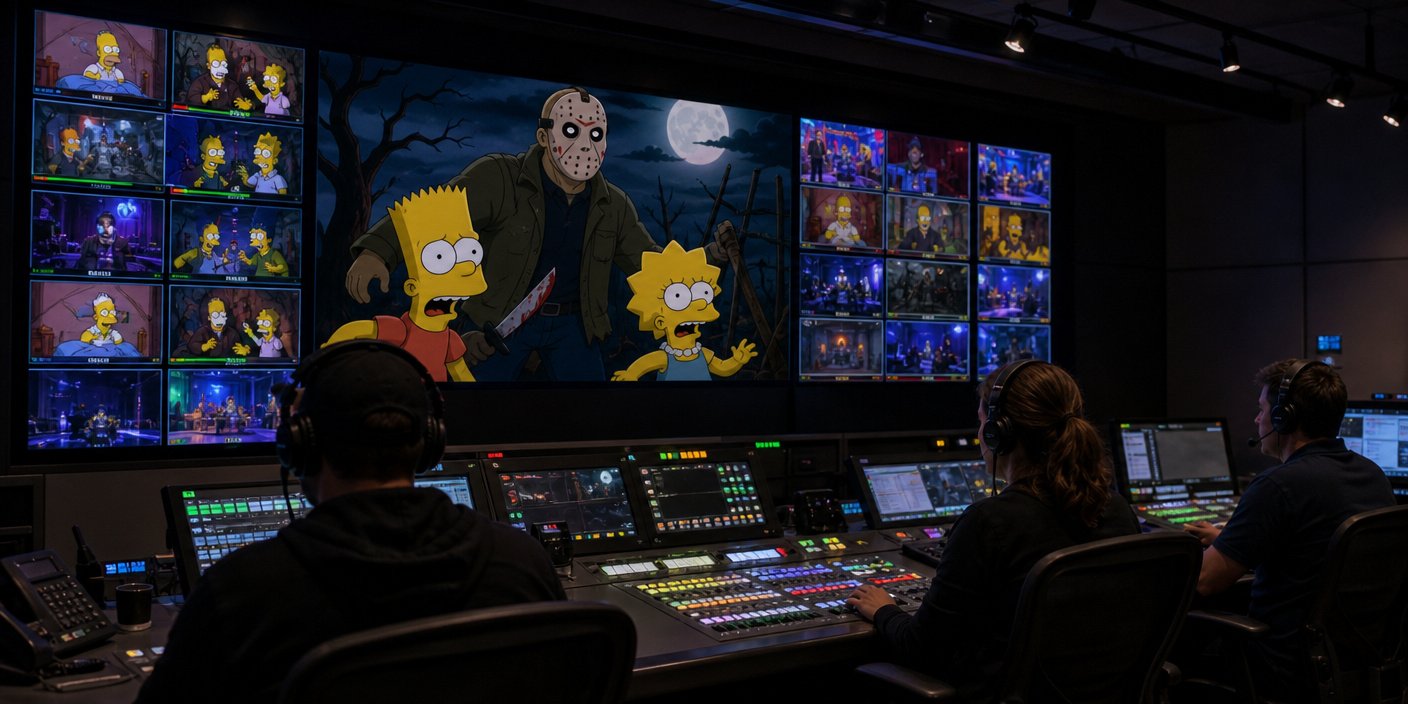
The Sunday night landscape is undergoing a significant shift on October 18, 2026, as networks lean into a blend of long-standing cultural institutions and high-stakes investigative dramas. Viewers looking to calibrate their schedules will find a dense lineup that pits the traditional animated satire of The Simpsons against the gritty, fast-paced world of modern procedurals like Tracker and Marshals. In an era dominated by on-demand streaming, this specific Sunday slate represents a rare moment where linear appointment viewing remains the primary driver of water-cooler conversation. From the return of a beloved slasher-themed animation to the integration of new talent into the CBS hit Tracker, networks are betting that a mix of comfort and curiosity will keep audiences tuned in.
Key Highlights
- The Simpsons Slasher: The iconic “Treehouse of Horror” returns, offering a blend of genre parody that remains a Halloween-season staple.
CBS Procedural Power: Tracker makes a major splash with the casting of a Vampire Diaries* veteran, boosting anticipation for its latest episode.
Season Premiere: PBS kicks off the fifth season of Professor T*, signaling a continued reliance on high-quality international procedural imports.
The Marshals Influence: New episodes of Marshals* continue to anchor the crime-drama block, providing the backbone for Sunday night ratings.
The Sunday Night Television Renaissance
The configuration of Sunday night television has historically been a barometer for network health. As of October 18, 2026, the programming strategy reflects a calculated attempt to capture a multi-generational audience. By pairing the long-running animated juggernaut The Simpsons with intense procedural crime dramas, networks are effectively leveraging “halo programming”—using the massive reach of an established legacy show to drive viewers toward newer, riskier assets. This evening is a masterclass in demographic balancing, attempting to satisfy families early in the night before transitioning to the darker, more adult-oriented themes found in Tracker and Marshals.
The Simpsons: A Cultural Litmus Test
The “Treehouse of Horror” episodes have evolved into far more than mere seasonal specials; they are a vital cultural ritual. For over three decades, The Simpsons has used this anthology format to experiment with visual styles and narrative pacing that the show’s standard format rarely permits. By pivoting into the “slasher” sub-genre this year, the writers are once again tapping into the collective psyche of the American public, proving that even as the landscape shifts toward streaming, a well-timed, satirical horror anthology can still command millions of live viewers. The effectiveness of this episode hinges on the writers’ ability to balance the show’s inherent warmth with the cynical, trope-heavy nature of horror cinema, a delicate act that The Simpsons has mastered over the decades.
The Rise of the Modern Procedural
On the live-action front, the focus shifts sharply to the procedural format. Tracker has quickly become a cornerstone of the CBS lineup, and the addition of a Vampire Diaries veteran to the cast is a strategic move designed to leverage existing fan bases while adding new layers of character complexity to the show. The modern procedural is no longer just about the “case of the week”; it is about character continuity and serial growth. The inclusion of new talent is an attempt to keep the show’s momentum alive, ensuring that even as the central investigation takes center stage, there is enough internal drama to sustain long-term engagement.
Parallel to this, Marshals continues to perform as a reliable engine for the network. Procedurals remain the most cost-effective and globally exportable content in television, and by tightening their grip on the Sunday night slot, networks are solidifying their position as the go-to destination for viewers who prioritize plot-driven narrative over the often aimless wandering of prestige streaming dramas. The “new episode” status for Marshals serves as a critical hook, preventing the audience churn that often occurs between major network programs.
The International Influence on PBS
While the commercial networks battle for dominance, PBS is quietly executing a different strategy with the season five premiere of Professor T. This show represents the growing trend of domestic networks relying on international prestige procedurals to fill out their schedules. These programs offer a different texture than their American counterparts—often moodier, more intellectually driven, and focused on intricate character studies rather than explosive action. Bringing Professor T back for a fifth season is a testament to the audience’s appetite for “elevated” crime fiction, proving that there is a significant, discerning market that seeks alternatives to the bombast of major network hits.
Secondary Angles: Economic and Cultural Implications
To fully understand the weight of this Sunday schedule, we must look beyond the individual episodes.
First, consider the economic impact of the “procedural block.” By clustering shows like Tracker and Marshals, networks create a seamless flow of advertising inventory. This is crucial in 2026, as ad-supported tiers on streaming services continue to challenge traditional linear television. The ability to guarantee a consistent audience for three consecutive hours is a powerful bargaining chip for network executives during upfronts.
Second, the role of nostalgia cannot be overstated. The endurance of The Simpsons in the current climate is a fascinating study in media longevity. It suggests that in a chaotic, fragmented media environment, audiences are increasingly gravitating toward known commodities. The “Treehouse of Horror” acts as a recurring comfort blanket, a predictable event in an unpredictable world.
Finally, we must look at the “talent migration” trend. When a star from a genre powerhouse like The Vampire Diaries moves into a procedural like Tracker, it signals a homogenization of acting talent across genres. No longer are actors siloed into “supernatural” or “procedural” lanes; the industry is increasingly creating a fluid talent pool where stars jump between formats, further blurring the lines between different types of episodic storytelling.
FAQ: People Also Ask
Q: Why are so many procedurals airing on Sunday nights in October 2026?
A: Sunday night is historically the most valuable real estate for networks. By airing high-performing procedurals like Tracker and Marshals during the fall, networks establish a viewing habit that carries through the rest of the work week.
Q: Does the new Simpsons episode continue a specific story?
A: No, the “Treehouse of Horror” episodes are non-canonical anthologies. This allows the show to experiment with themes and styles without affecting the main timeline of the series.
Q: Is Professor T a reboot or a continuation?
A: Professor T is a continuation, returning for its fifth season. PBS has found significant success with this series, which focuses on a brilliant but eccentric criminology professor, catering to viewers who prefer character-driven mysteries over action-heavy procedurals.
Q: Why is the casting news for Tracker considered a big deal?
A: Introducing an established actor from a popular series like The Vampire Diaries is a strategic move to bring a built-in fanbase to the new project, helping to “eventize” the episode and boost ratings for the show’s ongoing season.