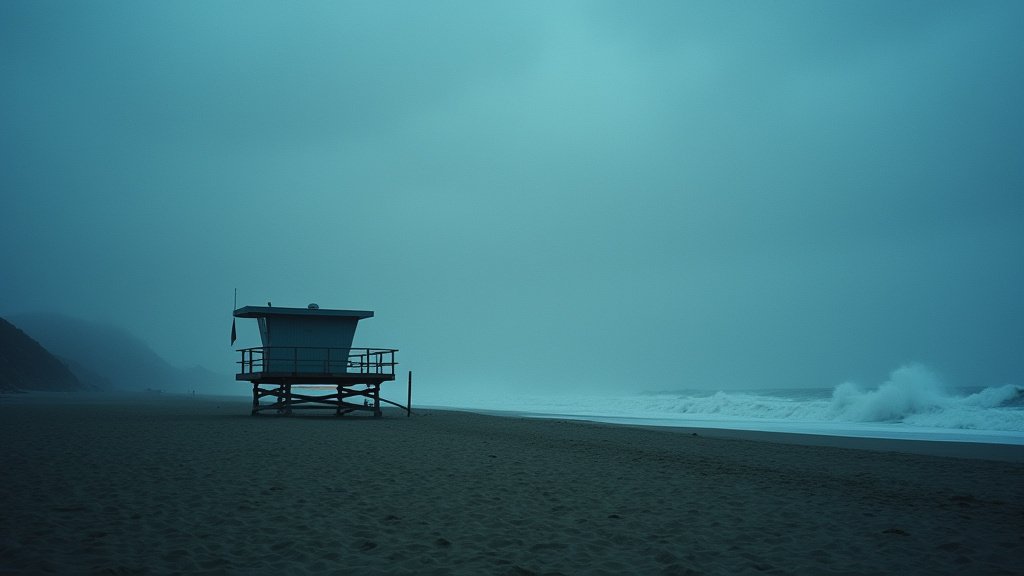
A woman has tragically been swept out to sea and died in Santa Cruz, marking California’s second coastal fatality amid a powerful and ongoing ocean swell. The incident occurred as large waves and dangerous rip currents continue to pose a significant threat to beachgoers and swimmers along the state’s coastline. Authorities are urging extreme caution and advising the public to avoid entering the water due to the hazardous conditions.
Key Highlights:
- A woman lost her life after being swept out to sea in Santa Cruz.
- This is California’s second reported death related to the current ocean swell.
- Authorities warn of dangerous rip currents and large waves.
- The public is advised to exercise extreme caution and stay out of the water.
- The incident underscores the perilous nature of the current coastal conditions.
Coastal Perils: The Santa Cruz Tragedy
The Pacific Ocean’s immense power has once again claimed a life, this time in the popular surfing destination of Santa Cruz. A woman, whose identity has not yet been released, was caught by a powerful wave and pulled out to sea. Despite immediate rescue efforts, she could not be saved. This devastating event serves as a grim reminder of the ocean’s unpredictable nature, especially during periods of heightened swell activity. The current conditions, characterized by significant wave heights and treacherous rip currents, have prompted widespread warnings from maritime and lifeguard services across California.
The Dangers of Coastal Swells
Large ocean swells, while often a draw for surfers and spectators, present formidable dangers to the unprepared. The sheer force of the waves can easily overwhelm even strong swimmers, and the powerful undertow of rip currents can quickly drag individuals away from shore. These currents are often invisible from the surface, making them particularly insidious. Lifeguard agencies have increased patrols and are actively monitoring beach conditions, but the vastness of the coastline makes constant surveillance impossible. The incident in Santa Cruz highlights the critical importance of heeding all posted warnings and lifeguard instructions.
Broader Impact on Coastal Safety
This fatality is not an isolated incident, as it follows another death attributed to similar conditions recently. The cumulative effect of these tragedies raises broader concerns about coastal safety protocols and public awareness. Experts emphasize that understanding ocean dynamics, such as wave patterns and rip current formation, is crucial for anyone spending time near the water. Educational campaigns and visible signage are vital tools in mitigating risks, but ultimately, personal responsibility and informed decision-making play a paramount role in preventing further loss of life. The National Weather Service and local emergency services have issued advisories, urging caution for all coastal activities.
Analyzing the Swell Phenomenon
The current swell is a result of distant storm systems generating large ocean waves that travel thousands of miles to reach the California coast. While aesthetically impressive, these swells can create hazardous nearshore conditions. The bathymetry of specific beach locations, like those in Santa Cruz, can further exacerbate these dangers by focusing wave energy and intensifying rip currents. Understanding the source and characteristics of these swells is key to appreciating the risks involved. Scientists at institutions like Scripps Institution of Oceanography frequently study these phenomena to improve forecasting and safety measures.
FAQ: People Also Ask
What causes large ocean swells?
Large ocean swells are primarily generated by strong winds over extended periods in distant storm systems, often referred to as fetch. These winds transfer energy to the water, creating waves that can travel vast distances across the ocean, maintaining their energy until they reach shallower coastal waters.
How dangerous are rip currents?
Rip currents are extremely dangerous. They are narrow, powerful channels of water moving directly away from the shore, and they can easily pull even strong swimmers out into deeper water. The primary danger is panic; if caught in a rip current, swimmers should stay calm, conserve energy, and swim parallel to the shore until they are out of the current, then swim back to land.
What should I do if I see someone in trouble in the water?
If you witness someone in distress in the water, do not enter the water yourself unless you are a trained lifeguard. Instead, call for help immediately by alerting lifeguards or emergency services. If possible and safe to do so, throw the person a flotation device.
Are there specific times of year when swells are more common?
While significant swells can occur at any time of year, certain seasons are more prone to them depending on storm activity in specific ocean basins. For the Pacific coast of North America, winter months often bring larger and more frequent swells.
What are the official recommendations for beach safety during high swells?
Official recommendations typically include staying out of the water if you are not an experienced swimmer or surfer, always swimming near a lifeguard, obeying all posted signs and flags, and being aware of your surroundings. Heeding lifeguard advice and avoiding areas known for strong currents are paramount.