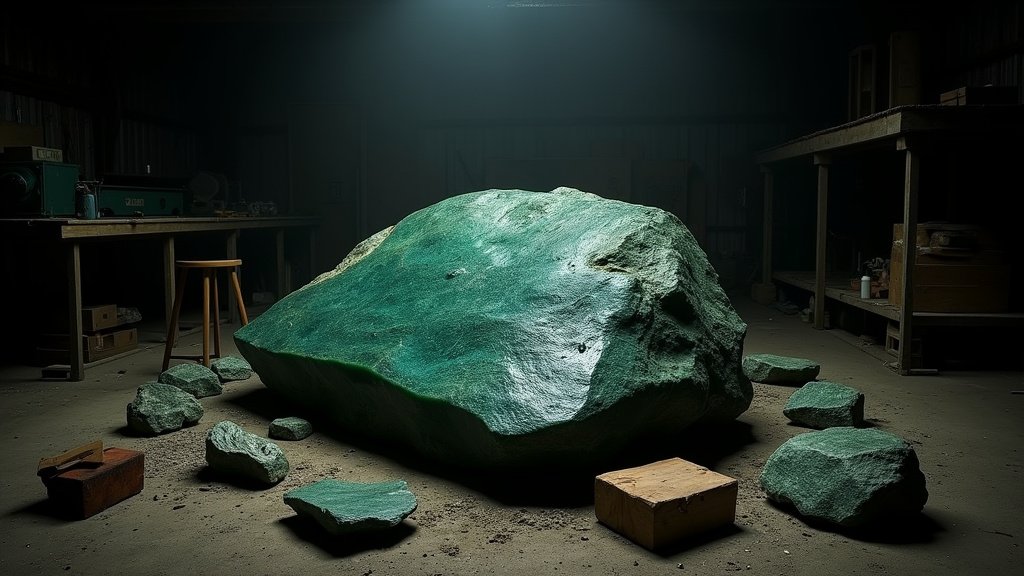
Dunedin police have made a significant bust concerning the Illegal Pounamu Trade. Officers seized 820 kilograms of allegedly stolen pounamu, marking a major development in efforts to combat this criminal activity. This massive haul was discovered during a raid executed on Monday, where officers executed a search warrant. Police found the pounamu cut and ready for sale, indicating a sophisticated operation linked to the illegal pounamu trade. A 29-year-old man was arrested at the scene and faced an obstruction charge. He appeared in Dunedin District Court and was later released on bail, though more charges related to the stolen mineral are being considered. This news highlights the ongoing challenge of the illegal pounamu trade and its impact on Māori cultural heritage.
Pounamu: A Sacred Treasure and Māori Cultural Heritage
Pounamu holds deep cultural and spiritual significance, considered a treasured taonga for Māori, with Ngāi Tahu holding specific custodianship. Primarily found on New Zealand’s South Island, particularly the West Coast in catchments like Arahura and Haast, its importance is legally recognized by the Pounamu (Ngāi Tahu) Vesting Act 1997, which establishes Ngāi Tahu’s ownership. This stone is integral to identity, not merely a geological resource. Addressing the Illegal Pounamu Trade requires understanding its profound value.
Strict Rules for Pounamu Gathering and Combating Illegal Trade
The gathering of pounamu is strictly regulated to protect this taonga and combat the Illegal Pounamu Trade. Public fossicking is permitted only on designated West Coast beaches, with a hand-sized limit. Collecting from rivers necessitates a permit, obtainable by Ngāi Tahu whānau members with approval from the kaitiaki rūnanga, ensuring respect for the taonga. Illegal procurement is a serious offense, treated akin to theft of protected property, and a key aspect of the Illegal Pounamu Trade. Understanding these pounamu gathering rules is crucial.
The Dunedin Police Operation and Discovery of Illegal Pounamu
In Dunedin, a police search warrant led to the uncovering of a vast quantity of pounamu, weighing 820 kilograms – one of the largest recoveries in recent history. This discovery strongly suggests a large-scale operation fueling the illegal pounamu trade. The pounamu had been cut and prepared for sale, pointing towards an organized criminal enterprise. The police acted swiftly, intercepting this supply and preventing further illicit distribution, a significant blow to the criminal pounamu trade.
Ngāi Tahu’s Role, Rights, and Concern Over Illegal Pounamu Trade
Ngāi Tahu has voiced significant alarm over illegal sales, initially complaining to police about illicit activities observed online and within communities. Paul Madgwick, chairman of Te Rūnanga o Makaawhio, highlighted how an individual was “brazenly parading” stolen pounamu, stressing that Ngāi Tahu rights were being disregarded. He emphasized that all pounamu is identifiable and traceable to its specific catchment, warning carvers that unauthenticated stone from Ngāi Tahu Pounamu may be stolen, a common issue within the illegal pounamu trade. Investigations into these activities are ongoing.
Ongoing Investigations, Pounamu Seizure Dunedin, and Warnings
Detective Sergeant Jesse Thomson praised the police team for their dedication and collaboration with local hapū, reiterating that pounamu theft is treated seriously. The recent pounamu seizure Dunedin serves as a stark reminder of the persistent issue of the illegal pounamu trade. Previous incidents, such as a seizure of 365 pieces in May 2025, and concerns about illegal export attempts, including significant seizures by Customs, underscore the pervasive nature of this trade. The illicit trade has even been linked to using pounamu in drug deals, revealing the depth of the criminal element involved in the criminal pounamu trade.
Protecting Māori Cultural Heritage from the Illegal Pounamu Trade
Authorities are meticulously investigating the origins of the seized stones and the methods used for extraction, alongside scrutinizing trafficking channels involved in the illegal pounamu trade. Pounamu is far more than a commodity; it is a taonga deeply intertwined with history, and its protection is a collective responsibility. Ngāi Tahu urges the public to verify the source of pounamu and contact local Rūnanga if unsure, thereby ensuring legal and ethical sourcing and safeguarding invaluable Māori cultural heritage. Current investigations aim to curb this persistent illegal pounamu trade.