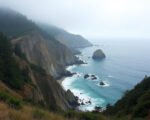
A significant new chapter in marine conservation has been written on America’s West Coast with the official designation of the Chumash Heritage National Marine Sanctuary. Spanning 4,543 square miles of coastal and ocean waters off Central California, this sanctuary, effective November 30, 2024, is the nation’s 17th national marine sanctuary and the sixth on the U.S. West Coast. It represents the third-largest marine sanctuary in the United States and is the first to be proposed and co-stewarded by an Indigenous group, truly embodying the spirit of Indigenous co-stewardship.
Honoring Indigenous Roots: The Chumash Heritage National Marine Sanctuary
The establishment of the Chumash Heritage National Marine Sanctuary is the result of decades of advocacy, spearheaded by the Northern Chumash Tribal Council. For millennia, the Chumash and Salinan Peoples have held deep cultural and spiritual connections to these waters, which are considered ancestral homelands. This designation marks a historic precedent, elevating Indigenous perspectives and cultural values in California ocean conservation and fostering a model for Indigenous marine stewardship. The sanctuary management plan prioritizes meaningful collaboration and Indigenous co-stewardship with Indigenous Peoples, acknowledging their inherent sovereignty and traditional knowledge within the Chumash Heritage National Marine Sanctuary.
Protecting a Biodiversity Hotspot within the Chumash Heritage National Marine Sanctuary
The Chumash Heritage National Marine Sanctuary encompasses a vital ecological transition zone along 116 miles of coastline, stretching between San Luis Obispo and Santa Barbara counties. This area is characterized by significant upwelling of nutrient-rich waters, supporting immense biological productivity and crucial marine biodiversity protection. Its diverse habitats include kelp forests, rocky reefs, deep-water coral gardens, sandy beaches, and coastal dunes, providing crucial nurseries for marine life. These waters are critical for vulnerable species such as the endangered western snowy plover, the threatened southern sea otter, Chinook salmon, and the leatherback sea turtle. Over 400 species of fish, numerous marine mammals, and various sea turtles inhabit these rich ecosystems. Significant undersea features like Rodriguez Seamount, Arguello Canyon, and part of the Santa Lucia Bank are now under enhanced protection within the Chumash Heritage National Marine Sanctuary.
Balancing Conservation within West Coast Marine Sanctuaries and Future Energy Needs
The Chumash Heritage National Marine Sanctuary‘s boundaries were carefully established to balance conservation goals with the emerging needs for offshore wind energy infrastructure. While the initial designation excludes certain areas to facilitate the development of offshore wind transmission cables, a phased approach is envisioned, with potential future expansions to encompass these areas once construction is complete. This approach aims to advance both marine ecosystem protection and responsible clean energy development. The sanctuary also prohibits new oil drilling and mining within its boundaries, aligning with broader climate solutions and conservation goals, setting a strong example for other National Marine Sanctuaries.
A New Model for Ocean Protection: The Chumash Heritage National Marine Sanctuary
The designation process for the Chumash Heritage National Marine Sanctuary, initiated with a nomination by the Northern Chumash Tribal Council in 2015, involved extensive public comment periods, with over 110,000 comments received, overwhelmingly in support. The final rule was published on October 11, 2024, and became effective on November 30, 2024, after a statutory congressional review period. This current news highlights a major step forward in ocean conservation, setting a precedent for Indigenous-led initiatives. The Chumash Heritage National Marine Sanctuary not only safeguards vital natural and cultural resources but also offers new opportunities for research, community engagement, and education, reinforcing the importance of honoring historical connections and fostering equitable Tribal ocean management for future generations. The sanctuary’s establishment is seen as a triumph for ocean justice and equity, celebrating the deep connection between Indigenous Peoples and the marine environment. Investigations into the long-term impacts and collaborative management strategies will undoubtedly continue to be a trending topic in environmental news related to the Chumash Heritage National Marine Sanctuary and California ocean conservation.