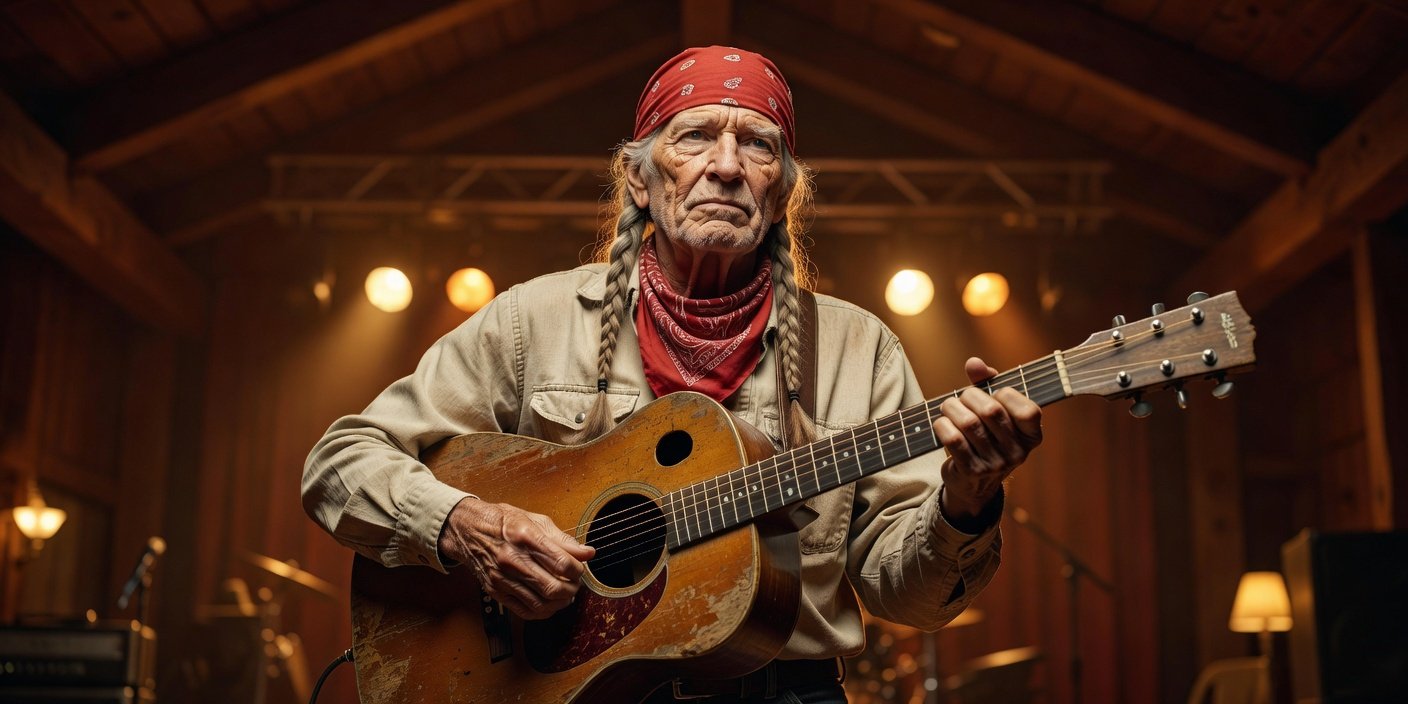
Willie Nelson’s annual Outlaw Music Festival is back for 2026, pivoting to a condensed, high-impact 12-city tour featuring a powerhouse lineup of Americana heavyweights. Now entering its 11th year, the traveling musical showcase has made the strategic decision to scale back significantly from the 35-stop marathon of previous years, opting for a curated, boutique approach that prioritizes artistic consistency and a premium fan experience over sheer geographical reach. By trimming the fat and focusing on a strategic selection of amphitheaters, Nelson is proving that at age 93, the priority is no longer dominating the calendar, but rather delivering an unmissable, career-defining production for every ticket holder.
Key Highlights
- Strategic Downsizing: The 2026 Outlaw Music Festival tour has been reduced to 12 key dates, a sharp pivot from the 35-city run in 2025.
- Star-Studded Rotation: The lineup features a rotating cast of heavy hitters, including The Avett Brothers, Sheryl Crow, and Wilco, ensuring each stop remains a unique event.
- Institutional Legacy: Despite the smaller footprint, the tour maintains its cultural anchor, including the iconic Fourth of July Picnic, featuring special guests Billy Strings and Rodney Crowell.
- Venue Optimization: The tour is shifting to select premium venues, such as The Pavilion at Toyota Music Factory, to enhance the intimacy and acoustics of the performances.
A New Chapter in the Outlaw Legacy
When the Outlaw Music Festival first debuted in 2016 in Scranton, Pennsylvania, it was an ambitious experiment in gathering the titans of country, folk, and rock under one banner. Over the last decade, it has evolved into more than just a concert series; it has become a traveling cultural phenomenon—a “kith and kin” roadshow that brings together different generations of music fans. In 2026, however, the festival is embracing a new ethos: less is more.
The Shift Toward Quality Over Quantity
The decision to shrink the 2026 tour from 35 dates to 12 is a narrative of sustainability and intentionality. For a legendary artist like Willie Nelson, who has spent the better part of his nine decades on the road, the demands of a month-long, cross-country tour are immense. By curating a 12-show run, the production team, including long-time partners Blackbird Presents and Live Nation, is not just accommodating the needs of a nonagenarian legend; they are restructuring the festival product itself.
This shift mimics a broader trend in the live music industry: the “boutique” festival model. Instead of flooding every major city with a standard-issue show, the Outlaw Music Festival is positioning each stop as a rare, “must-see” event. This creates a scarcity effect that drives ticket demand while allowing the artists involved—many of whom are touring acts in their own right—to perform with greater intentionality. The reduced schedule allows for more production rehearsals, a more consistent sound environment, and, crucially, a fresher performance state for Nelson and his ensemble.
Curating the Americana Vanguard
The 2026 lineup is a masterclass in genre-blurring. The inclusion of The Avett Brothers, Sheryl Crow, and Wilco serves as a bridge between the traditional outlaw country sound and the modern alternative Americana movement. It’s a delicate balance that Nelson has always mastered. The Avett Brothers bring the raw, folk-rock energy that resonates with younger, festival-going crowds, while Sheryl Crow adds a layer of established pop-country credibility that broadens the appeal. Wilco, meanwhile, satisfies the critical darlings and indie-rock purists.
What makes this year’s tour unique is the rotating nature of the lineup. Because the tour is not a monolithic “same band, same night” production, each city receives a bespoke version of the festival. In Irving, Texas, fans might experience a different energy than those attending the August show in Maryland Heights, Missouri. This variation forces fans to pay attention to the specific billing in their local market, turning the festival into a series of interconnected, yet distinct, cultural moments.
The Fourth of July Picnic: A Sanctified Institution
No discussion of Willie Nelson’s touring activity is complete without addressing his annual Fourth of July Picnic. This year, the event has been seamlessly integrated into the Outlaw Music Festival framework, elevating the status of the tour’s August dates. By slotting Billy Strings and Rodney Crowell into the Picnic roster, Nelson is leaning heavily into the bluegrass and roots-music resurgence.
Billy Strings, often heralded as the heir apparent to the bluegrass throne, represents the future of the genre. Pairing him with the veteran wisdom of Rodney Crowell creates a generational dialogue on stage that encapsulates exactly what the Outlaw Music Festival has always aimed to achieve: the preservation of the past through the promotion of the future. The Picnic isn’t just a show; it’s a reunion of the “Outlaw” family, and keeping it within the touring architecture keeps the legacy tightly controlled and culturally significant.
Economic and Venue Implications
Moving the Dallas-area show to The Pavilion at Toyota Music Factory in Irving is a telling tactical choice. The transition away from the sprawling, often chaotic Dos Equis Pavilion suggests a desire for better amenities and a more controlled, premium environment for the festival attendees. Modern tour management is increasingly focused on the “VIP experience,” and by selecting mid-sized, high-quality amphitheaters, the organizers are able to offer better sightlines, superior acoustics, and a more comfortable experience that justifies the premium price point of modern concert tickets.
Furthermore, this model proves resilient in an economic climate where ticket prices are scrutinized. When fans are paying a premium for a ticket, they expect a seamless experience—better parking, shorter lines, and a high-production show. By scaling down, the Outlaw Music Festival is effectively insulating itself against the operational risks of large-scale, low-margin touring. It is a smarter, leaner financial model that ensures the viability of the franchise for years to come.
Looking Ahead: The Future of the ‘Outlaw’ Brand
As the industry watches to see how this leaner 2026 tour performs, many are asking if this is the new standard for the Outlaw Music Festival. The answer is likely yes. The age of the massive, relentless summer tour may be waning for some legacy artists, replaced by these “limited engagement” residency-style tours. This approach does not signal an end to Nelson’s touring career; on the contrary, it signals a maturation. It allows the artist to remain a road warrior while respecting the physical reality of the tour bus life. By pivoting to 12 high-quality shows, Willie Nelson has ensured that when the lights go down and the first chords of “Whiskey River” strike, the magic of the outlaw spirit remains entirely intact.
FAQ: People Also Ask
Q: Why did the Outlaw Music Festival reduce its tour dates in 2026?
A: The reduction from 35 dates to 12 is a strategic choice focused on quality, sustainability, and creating a more “boutique” event experience. It allows for a more curated production and accommodates the demanding schedule for the artists involved.
Q: Is Willie Nelson playing every single date of the 2026 tour?
A: Yes, Willie Nelson & Family are the headliners for all scheduled dates of the 2026 Outlaw Music Festival. However, the supporting lineup of artists varies by location.
Q: Who are the main supporting acts for the 2026 tour?
A: The lineup includes a rotating list of prominent artists such as The Avett Brothers, Sheryl Crow, Wilco, Lukas Nelson, Stephen Wilson Jr., Margo Price, and others, with special guests for the 4th of July Picnic including Billy Strings and Rodney Crowell.
Q: How can I buy tickets for the 2026 Outlaw Music Festival?
A: Tickets are available through the official Outlaw Music Festival website and Ticketmaster. It is recommended to check the specific date’s page, as lineups and availability vary by venue.