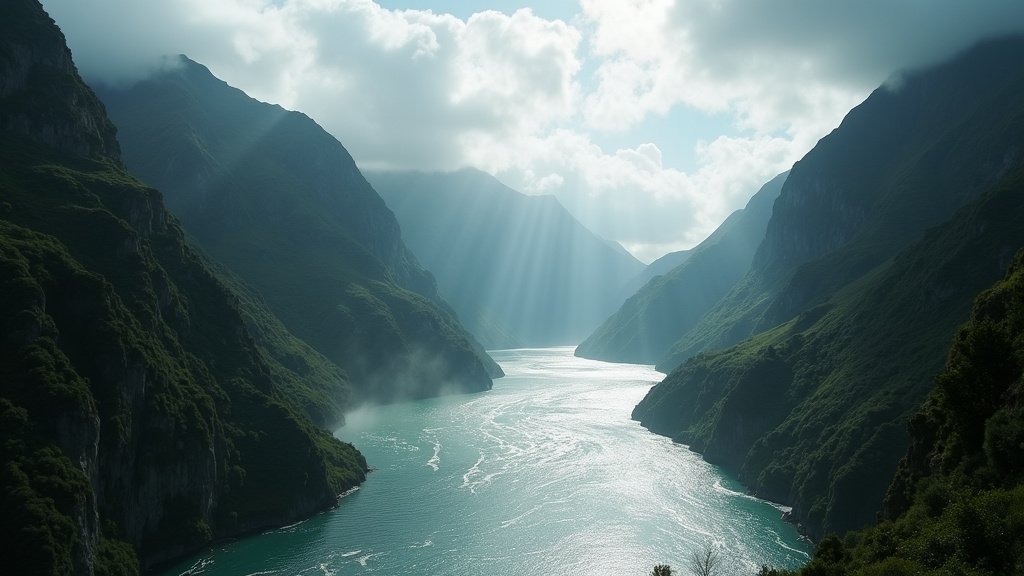
West Coast electricity provider Westpower has submitted plans for a controversial run-of-river hydroelectric scheme on the Waitaha River, seeking expedited approval under the newly enacted Fast-track Approvals Act 2024. This move marks a significant development in the region’s pursuit of renewable energy and local power resilience, but it also revives concerns previously raised by conservation and recreation groups regarding the scheme’s potential impact on the area’s pristine natural environment.
The Waitaha River Hydro Scheme: A Renewable Energy Ambition
The proposed Waitaha Hydro Scheme, located between Franz Josef and Hokitika, is designed to generate between 120-140 Gigawatt hours (GWh) of electricity annually, capable of powering approximately 12,000 homes. With a maximum output of 23 megawatts (MW), Westpower aims to enhance the reliability of electricity supply for the West Coast and reduce its dependence on power generated elsewhere in New Zealand. The project involves constructing a small weir to divert a portion of the Waitaha River’s flow into a tunnel leading to a powerhouse, with the water then returned to the river. This run-of-river design avoids the need for a dam or a storage lake, a feature Westpower highlights as a commitment to environmental sensitivity.
Westpower has emphasized that the project has undergone years of engagement and evidence-based assessment, including extensive ecological studies to minimize its environmental footprint. These investigations have provided valuable insights into the Waitaha catchment, identifying significant long-tailed bat populations and new data on native fish species, which the company states will inform careful design and planning.
Navigating the Fast-Track Approvals Act
The submission has been made under the government’s Fast-track Approvals Act 2024, a piece of legislation designed to streamline the consenting process for major infrastructure and development projects deemed of national or regional significance. The Act, which came into force in December 2024, aims to reduce the time and cost associated with resource consents, concessions, and other approvals typically required under various pieces of legislation, including the Resource Management Act 1991 and the Conservation Act 1987. Projects listed in Schedule 2 of the Act can apply directly for consideration by an Expert Panel, bypassing aspects of the standard environmental assessment and consenting procedures.
Westpower chair Sue Merriman expressed enthusiasm for this pathway, noting that it allows the project to move forward more swiftly. “Together with the regional and national electricity benefits, this is a significant project for the West Coast, providing economic benefits during construction for the local economies and generations of consumers and beneficiaries of Westpower and the West Coast Electric Power Trust,” Merriman stated. The company’s chief executive, Peter Armstrong, stressed that while the process is fast-tracked, the assessment of effects has been thorough, reflecting years of deep study.
Partnership with Poutini Ngāi Tahu
Westpower’s development of the Waitaha Hydro Scheme is undertaken in partnership with Poutini Ngāi Tahu, the iwi of the West Coast. Poutini Ngāi Tahu views the Waitaha River as a treasured resource (taonga). Both Te Rūnanga o Ngāti Waewae and Te Rūnanga o Makaawhio, the relevant hapū, have expressed support for the project’s inclusion in the Fast-Track Approvals Bill’s Schedule 2A. Consultations are ongoing regarding the cultural impact assessment, with the iwi indicating that there are no known physical sites or cultural values that would prevent the project’s implementation.
Historical Opposition and Environmental Concerns
The Waitaha River scheme is no stranger to controversy. Westpower’s previous application for concessions was rejected in 2019 by the then Environment Minister David Parker. At the time, the decision was based on concerns that the project posed too great a threat to the character of the near-pristine area and the recreational experience it offers, particularly for white-water kayakers and trampers. Environmental groups, including Forest & Bird, Federated Mountain Clubs, and Whitewater NZ, have voiced strong opposition, citing the river’s unique biodiversity, wilderness qualities, and its status as one of New Zealand’s last truly wild rivers. They argue that the proposed infrastructure and altered river flow could irreversibly damage these intrinsic values.
Economic Development and West Coast Resilience
The proposal is also framed within the broader context of economic development and energy security for the West Coast. The region is looking to leverage its natural resources to drive economic growth, create jobs, and enhance its infrastructure. The West Coast Regional Council has voiced support for the Fast-track Approvals Bill, believing it can unlock opportunities for larger-scale developments and infrastructure, including projects like the Waitaha River hydro scheme, while asserting that environmental safeguards are included. Improved local power generation is seen as crucial for the region’s resilience, especially in the event of natural disasters that could disrupt the national grid.
The Path Forward
The submission under the Fast-track Approvals Act initiates a new phase for the Waitaha Hydro Scheme. The project will be subject to assessment by an Expert Panel, which will consider its merits, potential benefits, and any proposed conditions to manage adverse effects. As this trending news unfolds, the West Coast finds itself at a critical juncture, balancing the urgent need for renewable energy and economic advancement with the imperative to protect its unique natural heritage. These ongoing investigations will shape the future of the Waitaha River and the energy landscape of the West Coast.