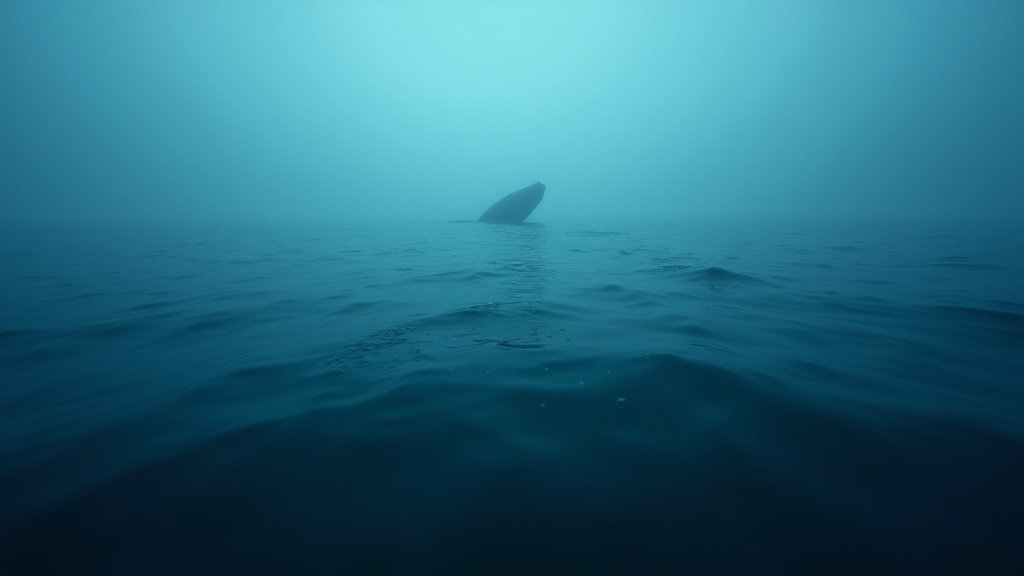
The grim discovery of the 21st gray whale carcass this spring along the Washington State coast has environmentalists and marine biologists deeply concerned about the health and survival of the species. The whale, found deceased on a local beach, marks a significant increase in mortality rates for the migrating mammals, prompting urgent calls for further investigation into the causes.
Key Highlights:
- 21st gray whale found deceased in Washington this spring.
- Significant increase in gray whale mortality rates observed.
- Scientists are investigating potential causes, including malnutrition and environmental factors.
- Conservation groups are urging increased monitoring and protective measures.
- This trend highlights broader ecological challenges facing marine life.
Rising Tide of Gray Whale Deaths Alarms Experts
The recent discovery of a gray whale carcass on the Washington coast brings the total number of deaths for this spring to 21, a figure that has sent ripples of concern through the scientific community and conservation organizations. This escalating mortality rate for the species is unprecedented in recent years, prompting immediate efforts to understand the underlying causes. Gray whales undertake one of the longest annual migrations of any mammal, traveling from breeding grounds in Mexico to feeding grounds in the Arctic. Their journey is perilous, and factors such as entanglement in fishing gear, ship strikes, and environmental changes in their feeding or breeding habitats can contribute to mortality. However, the sheer number of recent strandings suggests a more pervasive issue may be at play.
Investigating the Causes of Increased Mortality
Marine biologists are meticulously examining the carcasses of the deceased whales, looking for clues that could explain the surge in deaths. Early investigations have pointed towards several potential contributing factors. Malnutrition appears to be a significant concern, with some whales showing evidence of being underweight, suggesting a lack of adequate food resources in their typical feeding grounds. Changes in ocean currents and water temperatures, potentially linked to climate change, could be disrupting the food web upon which these whales depend, affecting the availability of krill and small fish. Furthermore, researchers are not ruling out other causes such as disease outbreaks or the cumulative effects of pollution and habitat degradation.
Environmental Factors and Ecological Impact
The phenomenon is not isolated to Washington State; increased gray whale strandings have been observed along the Pacific coast, from California to Alaska. This suggests that the challenges these whales face are widespread and interconnected. The health of the gray whale population is often seen as an indicator of the overall health of the marine ecosystem. A decline in their numbers can have cascading effects, impacting predator-prey relationships and the delicate balance of ocean life. Conservationists are emphasizing the need for a comprehensive, multi-agency approach to address the complex environmental factors that may be contributing to this crisis. This includes closer monitoring of marine mammal populations, more robust data collection on oceanographic conditions, and stricter regulations on human activities that could harm whales, such as shipping lanes and fishing practices.
Conservation Efforts and Future Outlook
In response to the alarming trend, various conservation groups and governmental agencies are intensifying their efforts. Stranding networks are being supported to ensure prompt response and data collection for each new discovery. Scientists are calling for expanded research into the whales’ diet, migration patterns, and the health of their Arctic feeding grounds. There is also a push for greater international cooperation, as gray whales traverse vast ocean territories. The long-term outlook for the gray whale population hinges on understanding and mitigating the threats they face. While the species has shown resilience in the past, recovering from near extinction in the early 20th century, the current challenges demand urgent attention and sustained conservation action to ensure their future survival.
FAQ: People Also Ask
What is the primary food source for gray whales?
Gray whales primarily feed on small crustaceans, such as amphipods and krill, which they filter from the seafloor sediment in their Arctic feeding grounds. They also consume small fish and worms.
Why are gray whales migrating?
Gray whales migrate annually between their cold-water feeding grounds in the Arctic and their warm-water breeding and calving lagoons in Baja California, Mexico. This migration is driven by the need to find sufficient food and suitable conditions for reproduction.
What are the main threats to gray whales?
The main threats include entanglement in fishing gear, ship strikes, pollution, habitat degradation, and changes in food availability due to climate change and oceanographic shifts.
What is being done to protect gray whales?
Efforts include monitoring whale populations, reducing ship strikes through cautionary measures, implementing regulations to minimize fishing gear entanglement, protecting critical habitats, and conducting research into the causes of increased mortality.
How does climate change affect gray whales?
Climate change can impact gray whales by altering ocean temperatures, affecting the distribution and abundance of their prey species, and potentially disrupting migration routes. Warmer waters in breeding lagoons could also pose risks to newborn calves.