Navigating Tensions: The Strait of Hormuz in Focus
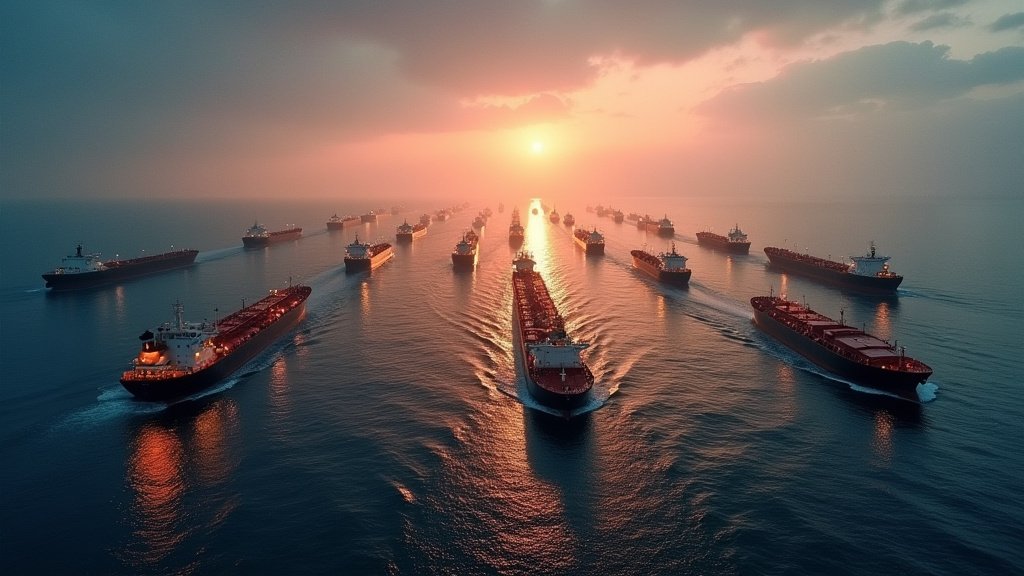
The Strait of Hormuz, a vital artery for global energy transport, is witnessing a persistent flow of oil shipments from Iran, defying the impacts of an ongoing war and international sanctions. Maritime data reveals that approximately 90 ships, including a significant number of oil tankers, have successfully navigated this strategic waterway in recent weeks. This continued transit underscores Iran’s capability to export millions of barrels of oil, even as broader shipping activity has been curtailed since early March.
A notable aspect of these shipments is the prevalence of “dark” transits, a term used for vessels that obscure their movements to evade Western sanctions and oversight, many of which are believed to have connections to Iran. This clandestine navigation highlights the complex geopolitical landscape surrounding the strait, where a significant portion of the world’s crude oil supply passes.
Diplomatic Channels and Shifting Alliances
In parallel with these covert operations, diplomatic efforts have also facilitated the passage of certain vessels. Ships associated with India and Pakistan have managed to traverse the Strait of Hormuz following direct negotiations with Iran. These developments suggest a nuanced approach by various nations seeking to ensure their energy needs are met, even amidst heightened regional tensions. India’s Foreign Minister, Subrahmanyam Jaishankar, has confirmed successful talks that allowed specific vessels to pass. Iraq has also reportedly engaged in similar discussions to permit its oil tankers through the strait.
The increased crude oil prices, which have surged above $100 a barrel, have added another layer of complexity, prompting calls for intervention. Former U.S. President Donald Trump had previously pressured allies to deploy warships to reopen the strait, aiming to stabilize global oil markets. The U.S. Treasury Secretary Scott Bessent acknowledged that Iranian ships have been allowed to proceed to supply global markets.
Iran’s Resilience and Market Dynamics
Despite the challenges, Iran has demonstrated considerable resilience in its oil export capabilities. Trade data indicates that Iran has managed to export well over 16 million barrels of oil since the start of March. This sustained export performance is partly attributed to China’s position as the primary buyer of Iranian oil, largely due to the impact of Western sanctions. Analysts at Kpler note the “continued resilience” in Iran’s oil export volumes, while consulting firm Reddal points out that Iran leverages its control over the chokepoint to profit from oil sales and maintain its export routes.
The overall reduction in vessel passages through the Strait of Hormuz, from a daily average of 100-135 to around 89 between March 1 and 15, reflects the heightened security concerns and disruptions caused by the war. However, the continued flow of Iranian oil suggests that the waterway has not been entirely closed, with some analysts suggesting Iran may have effectively established a safe corridor for its shipments.
FAQ: People Also Ask
Q: What is the significance of the Strait of Hormuz for global oil transport?
A: The Strait of Hormuz is a critical maritime chokepoint that supplies approximately one-fifth of the world’s crude oil, making it one of the most strategically important waterways for global energy security.
Q: Why are some of the ships transiting the Strait of Hormuz described as “dark” journeys?
A: “Dark” transits refer to vessels that deliberately obscure their identity and movements to evade international sanctions, oversight, and potential interception. Many of these ships are believed to be involved in the transport of Iranian oil, which is subject to Western sanctions.
Q: What impact has the ongoing war had on shipping traffic in the Strait of Hormuz?
A: The war has led to a significant reduction in overall shipping traffic through the Strait of Hormuz, with many vessels rerouting or halting operations due to increased security risks and approximately 20 vessels reportedly being attacked in the area. However, Iran has continued to export oil.