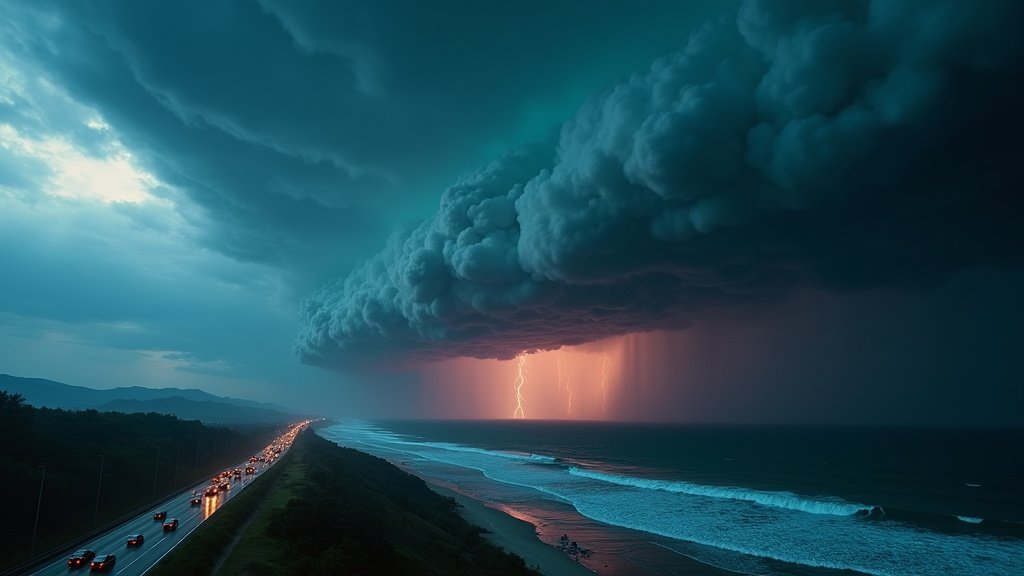
Atmospheric rivers West Coast are drenching the region. These massive plumes of water vapor bring heavy rainfall and significant snowfall, continuing a pattern through late December 2025 that impacts the Pacific Northwest and California. The Weather Prediction Center has issued critical warnings due to moderate risks for heavy precipitation and high winds associated with these atmospheric rivers West Coast events. This news is vital for millions living in the path of these potent weather systems.
Understanding Atmospheric Rivers West Coast
Two major atmospheric rivers West Coast systems hit the Pacific Northwest in mid-December 2025, followed by a second, more intense system. These events brought prolonged heavy rain and significant mountain snow. Western Washington received 4 to 6 inches of rain, while Western Oregon saw 4 to 8 inches, with higher totals in the Cascades. California also experienced intense rainfall, with some areas expecting 4 to 8 inches and foothill regions potentially receiving 8 to 12 inches. Snow piled up in the Sierra Nevada and Cascade Range, with projections showing 24 to 48 inches, and some areas anticipating up to 6 feet of snow. This west coast weather pattern is a significant concern.
Impacts of Heavy Rainfall and Snowfall West Coast
These powerful atmospheric rivers West Coast systems caused serious flooding, leading to dangerous river levels and amplified risks from saturated soils. Urban areas experienced flash floods, and mudslides and debris flows became a major concern, especially in burn scar areas. This heavy rainfall and snowfall west coast event has had devastating consequences.
Tragic consequences followed the heavy rain. One motorist died in Redding, California, on December 22, 2025, when their vehicle became trapped by floodwaters. Despite rescue attempts, the person did not survive. Authorities have issued strong warnings about the dangerous conditions associated with these atmospheric rivers West Coast.
High winds accompanied these storms, causing widespread power outages, downed trees, and power lines. Travel became extremely hazardous due to flooded roads and numerous water rescues for stranded drivers. Holiday travel plans were significantly disrupted, and officials urged extreme caution for all residents navigating this west coast weather.
Forecasting Atmospheric Rivers West Coast
NOAA’s Climate Prediction Center actively tracks these atmospheric rivers West Coast events, forecasting continued activity well into early 2026. This long-duration pattern is influenced by a ridge in the Bering Sea steering storms and a trough in the Pacific directing moisture westward, creating a “hose” of water vapor aimed at the West. This sophisticated weather prediction center monitoring is crucial.
Atmospheric rivers are vast plumes of water vapor, acting like rivers in the sky. They transport moisture from the tropics and can carry as much water as the Amazon River. When they encounter mountainous terrain, they release heavy precipitation. Climate change is suspected to be increasing their intensity, as warmer oceans and air hold more moisture, fueling stronger atmospheric rivers West Coast. The “Pineapple Express,” drawing moisture from near Hawaii, is one such system that brought heavy rain to Southern California around Christmas, with excessive rainfall posing a high risk and leading to states of emergency in several counties.
Ongoing Challenges and Preparedness for West Coast Weather
Forecasters have issued updated outlooks predicting continued wet weather for the West Coast, with persistent risks of heavy precipitation and high winds. Snowfall will continue in mountain ranges, presenting ongoing challenges for the region. Preparedness remains crucial, and residents are urged to monitor local forecasts closely and heed all official warnings regarding west coast weather and atmospheric rivers West Coast.
This news highlights a significant weather trend. While the West Coast relies on this precipitation, extreme events cause destruction. Managing water resources effectively and understanding the dynamics of atmospheric rivers West Coast is vital. Their impacts affect millions of people, and this critical update underscores the importance of staying vigilant against these powerful atmospheric rivers West Coast phenomena.