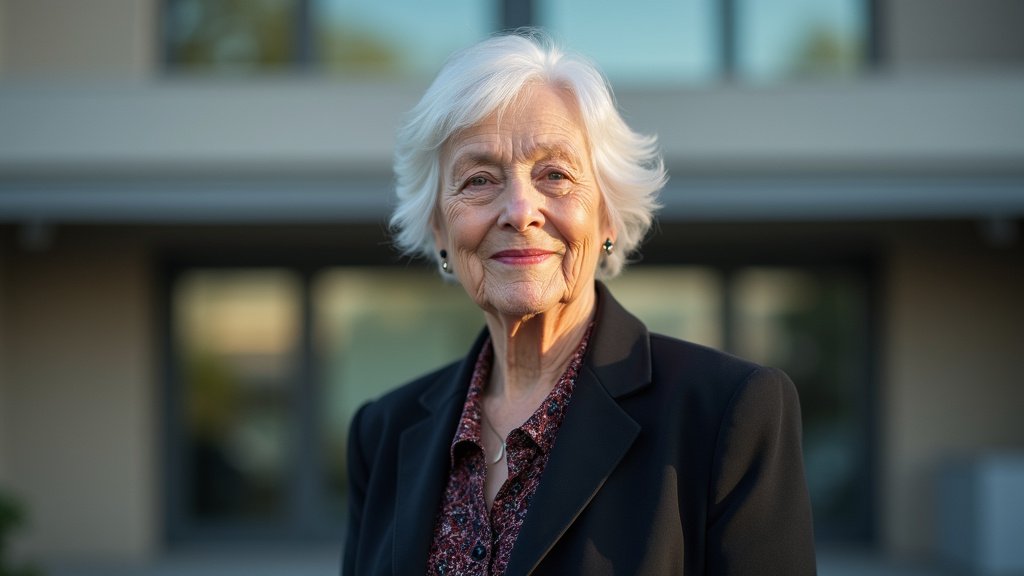
The Westland District’s mayoral election concluded with a nail-biting final count, where Hokitika businesswoman Jacquie Grant, 82, narrowly missed becoming New Zealand’s oldest and second transgender mayor. The closely watched race saw incumbent Mayor Helen Lash ultimately secure re-election by a slim margin of just eight votes.
A Near-Historic Milestone
Throughout the preliminary vote count, Jacquie Grant held a slender lead, sparking national attention for her potential to break significant ground in New Zealand’s political landscape. At 82, Grant would have become the country’s oldest serving mayor, surpassing current record holder Wayne Brown. More profoundly, her election would have made her only the second openly transgender mayor in New Zealand’s history, following in the footsteps of the late Georgina Beyer, who made history as the world’s first openly transgender mayor in Carterton in 1995.
Grant, who has lived as a trans woman since 1971, expressed her view that her age and transgender identity were unique attributes but secondary to her ability to serve the community. “Age is just a number and the transgender thing is really… I think people in Westland are more interested in what’s between my ears than what was between my legs 55 years ago,” she told RNZ. She believed Westland voters were focused on practical governance rather than personal characteristics.
Grant’s Platform and Campaign
A Hokitika resident and owner of Hokitika Sock World, Jacquie Grant has a diverse background, including previous terms on the Grey District Council and significant community service for which she was recognised with ONZM honours in 1997 and promoted to Officer in 2018. Her mayoral campaign centred on principles of fiscal responsibility, transparency, and addressing the cost of living pressures faced by residents. Grant campaigned on a promise to cut council spending and waste, keep rates down, and improve accountability.
“They’re suffering, because of the high rates bills, and they want someone who’s got the balls, I guess, to do it,” Grant stated, highlighting the economic challenges many in the district were experiencing. She spoke of neighbours struggling to heat their homes, illustrating a broader concern about affordability within New Zealand.
The Tight Election Battle
The Westland District mayoral election became one of the tightest contests across the nation. Preliminary results released on Saturday, October 11th, showed Grant leading incumbent Helen Lash by a mere 64 votes, with approximately 85% of votes counted. This narrow margin created considerable suspense as special votes and late-arriving ballots were still to be processed.
The West Coast news cycle at the time was also marked by broader regional events, including weather alerts for heavy rain in some areas, but the mayoral election remained a focal point for local attention. The outcome was so close that final declarations were delayed, with official results expected around October 16th or 17th.
Final Results and Concession
When the final count was declared on Thursday, October 16th, Helen Lash was confirmed as the re-elected mayor, securing 1609 votes compared to Jacquie Grant’s 1601 votes – an eight-vote difference. Despite falling short of her historic goal, Jacquie Grant graciously conceded.
“I want to extend my sincere congratulations to the Mayor-elect Helen Lash, who has won by eight votes,” Grant said in a social media post. “The democratic process has spoken, and I respect the decision of the Westland community.” Her campaign, though not resulting in a mayoral victory, brought significant attention to her platform and highlighted the progressive inclinations of West Coast voters.
While the historic milestone was not reached, Jacquie Grant’s candidacy and her strong performance in the election have undoubtedly contributed to ongoing conversations about representation and diversity in New Zealand politics, marking her campaign as a notable chapter in the district’s current news.