California Commits $500 Million to Coastal Parks
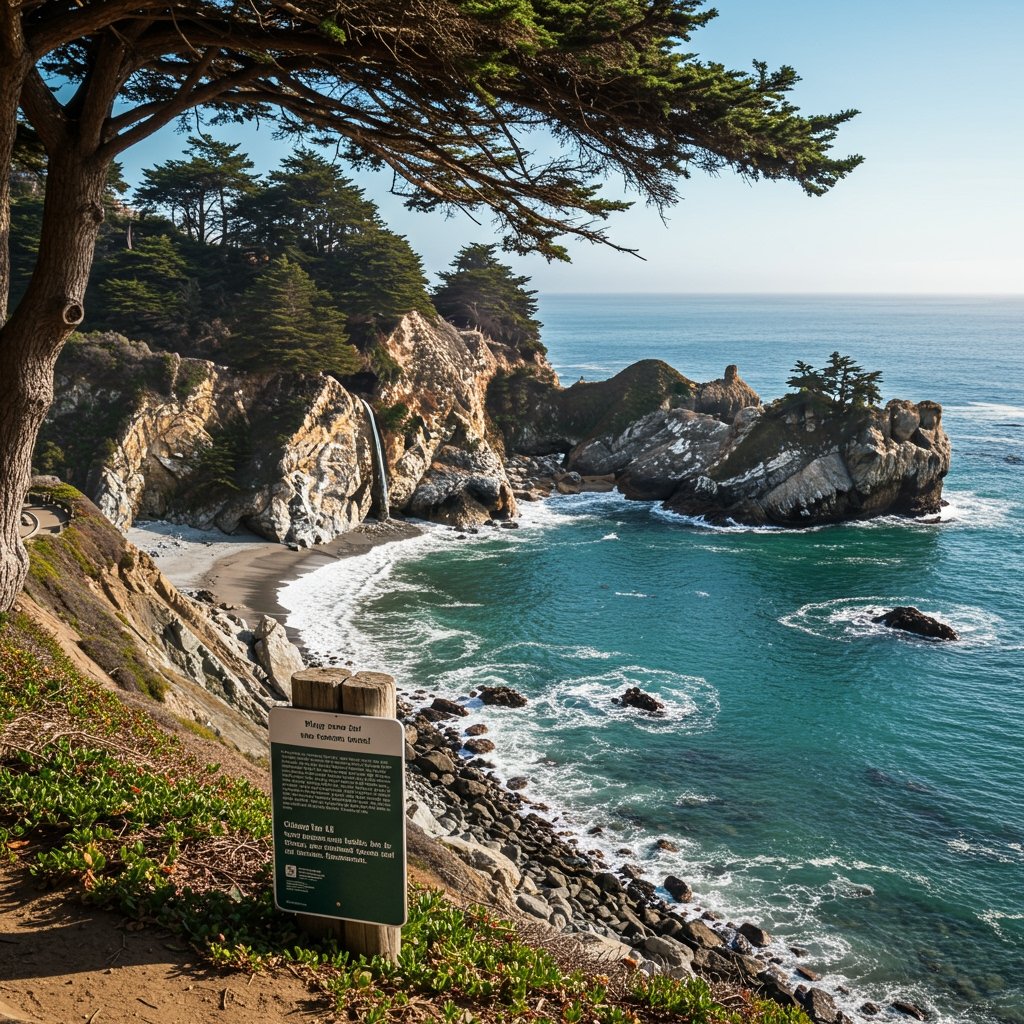
On May 15, 2025, California’s commitment to preserving its iconic coastline and enhancing public access took a major legislative leap forward. Governor Emily Roberts officially signed Assembly Bill 789 (AB 789) into law, enacting a substantial state bond package valued at $500 million. This half-billion-dollar investment is specifically allocated to the state’s coastal state parks, stretching the entire length of California’s diverse shoreline, from the southern border near San Diego all the way north to the Oregon border. The primary goals of this landmark funding initiative are two-fold: implementing critical infrastructure upgrades and improving public access improvements, while dedicating a significant portion to crucial climate resilience projects. The passage and signing of AB 789 signal a robust state effort to protect these invaluable natural and recreational assets against the mounting challenges posed by a changing climate and increasing visitor demands.
Addressing Critical Needs Along the Coast
California’s coastal state parks are vital ecological corridors, significant economic engines supporting tourism, and beloved recreational destinations for millions of residents and visitors annually. However, many facilities within these parks, some dating back decades, are in need of significant modernization. Aging infrastructure, including restrooms, visitor centers, campgrounds, trails, and utility systems, often struggles to support contemporary usage levels and meet accessibility standards. Furthermore, the unique and dynamic environment of the coast presents ongoing maintenance challenges. The $500 million authorized by Assembly Bill 789 provides the necessary capital injection to tackle these long-standing infrastructure deficits comprehensively. Projects funded under the bond are expected to range from basic facility repairs and upgrades to complete overhauls and the development of new, sustainable amenities designed to improve the visitor experience and operational efficiency of the parks.
Beyond basic upkeep, enhancing public access improvements is a core tenet of this funding. This involves making parks more accessible to all Californians, regardless of physical ability, and improving the overall flow and safety of park entries, parking areas, and internal circulation. Initiatives could include upgrading trails to meet accessibility standards, improving signage, expanding parking capacity in key locations, and developing new access points or educational facilities that connect people more intimately with the coastal environment. By investing in access, the state aims to ensure that its spectacular coastal resources remain available and welcoming to a diverse public for generations to come, reinforcing the principle that these parks belong to everyone.
Bolstering Climate Resilience
Perhaps the most forward-looking aspect of the $500 million bond package is its strong emphasis on climate resilience projects. California’s coastline is on the front lines of climate change, facing significant threats from rising sea levels, increased coastal erosion, and more intense storm surges. These impacts directly endanger park infrastructure, natural habitats, and public safety. The funding from AB 789 is strategically directed towards mitigating these risks and building the long-term resilience of coastal park assets. This includes projects designed to protect against the physical encroachment of the ocean, such as restoring natural protective features like sand dunes and coastal wetlands, relocating vulnerable facilities away from hazard zones, and implementing innovative engineering solutions where necessary.
The focus on climate resilience underscores a proactive approach by the state government. Instead of solely reacting to environmental damage, the bond enables significant investments in protective measures that can help preserve the ecological integrity and functional capacity of coastal parks in the face of escalating climate impacts. Addressing threats like sea-level rise and erosion is critical not just for protecting built infrastructure but also for safeguarding sensitive coastal ecosystems that provide habitat for numerous species and offer valuable natural storm buffering services. These projects will be scientifically guided, utilizing the best available data on coastal dynamics and climate projections to ensure their effectiveness and sustainability. The commitment to climate resilience ensures that the beauty and utility of California’s coastal parks are secured for the future, allowing them to continue serving as living laboratories for climate adaptation and important havens for biodiversity.
Implementation and Future Outlook
The responsibility for managing and executing the projects funded by the $500 million bond rests with the California Department of Parks and Recreation. This state agency oversees the vast network of California’s state parks and possesses the expertise required to plan, prioritize, and implement projects of this scale and complexity. The Department will be tasked with developing a detailed expenditure plan, identifying the most critical needs across the diverse range of coastal parks from San Diego to the Oregon border, and coordinating project timelines and execution. The allocation process will likely involve assessing infrastructure conditions, evaluating climate vulnerability, and considering opportunities to maximize public benefit and ecological protection.
The timeline for seeing these investments translate into tangible improvements is set to begin relatively soon. The California Department of Parks and Recreation anticipates that the initial phases of construction and project implementation will commence in late 2025. This indicates a readiness to move quickly from legislative authorization to on-the-ground action. The rollout of projects will likely be phased, allowing the Department to manage resources effectively and minimize disruption to park visitors where possible. Over the coming years, Californians and tourists alike can expect to see visible changes in coastal state parks, ranging from enhanced facilities and improved access points to vital climate adaptation measures that ensure the long-term viability of these treasured landscapes.
The passage of AB 789 and the allocation of $500 million represent a major state investment in the health and accessibility of California’s coastline. By prioritizing both essential infrastructure upgrades, improved public access, and critical climate resilience, the state is taking decisive action to protect its natural heritage and enhance the visitor experience. This funding is poised to boost not only the environmental protection efforts along the coast but also the tourism infrastructure that is crucial to many coastal economies. As projects get underway in late 2025 under the stewardship of the California Department of Parks and Recreation, the positive impacts of this significant bond package will begin to unfold across coastal state parks from San Diego in the south to the Oregon border in the north, securing these invaluable public lands for future generations.