Transformative Investment Fuels West Coast High-Speed Rail Advancement
A significant financial milestone has been reached for the ambitious Pacific Coast Rapid Transit Initiative (PCRTI), a multi-state endeavor aimed at revolutionizing transportation along the West Coast corridor. A new federal allocation totaling $5 billion was secured this month, providing a critical infusion of capital specifically directed towards a vital segment of the project.
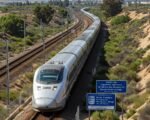
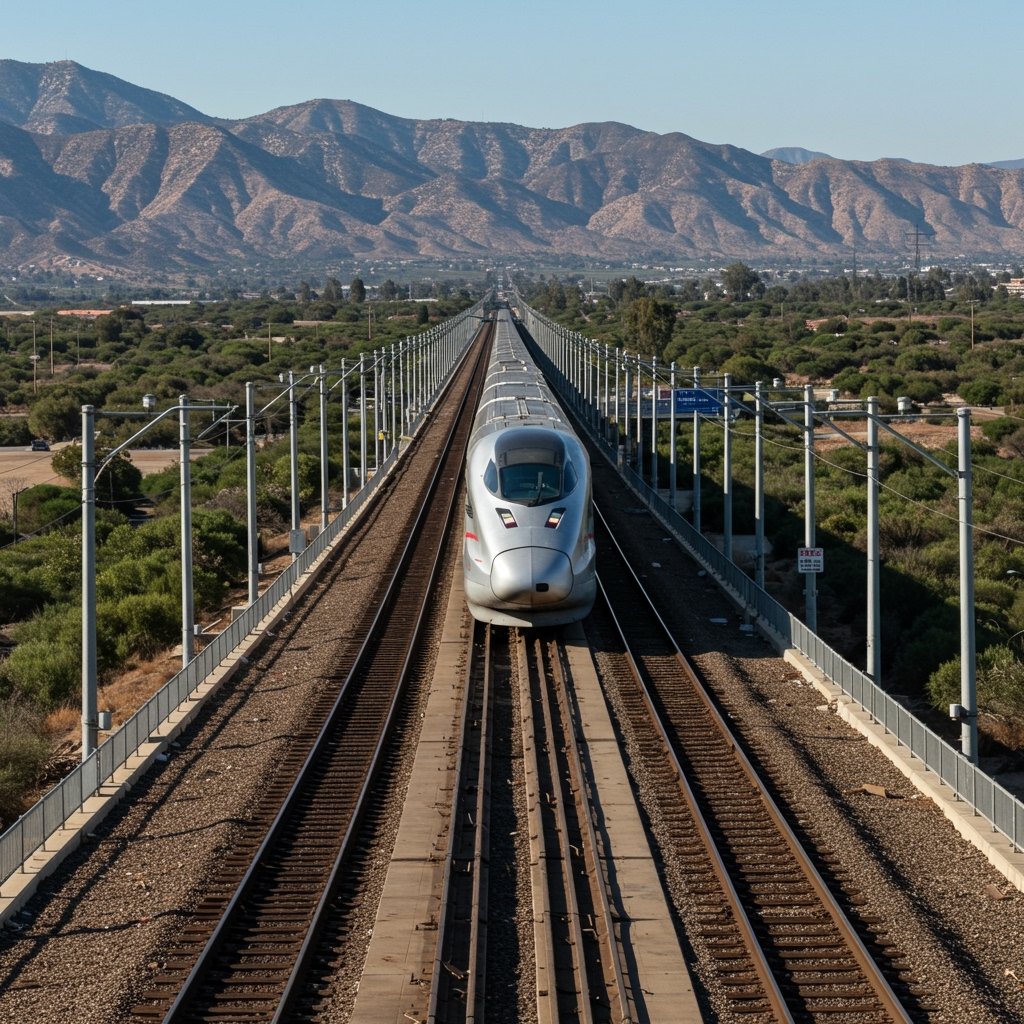
This substantial funding is designated for Phase 1B of the PCRTI, focusing on the pivotal high-speed rail link connecting two of Southern California’s largest metropolitan areas: Los Angeles and San Diego. The management and oversight of this crucial southern segment fall under the purview of the California High-Speed Rail Authority, the state agency tasked with developing and implementing high-speed rail infrastructure within California.
The allocation represents a major acceleration factor for the project. Officials involved with the initiative have stated that this significant investment will directly expedite construction activities on the Los Angeles-San Diego line. With this enhanced financial capacity, the project management anticipates a quicker realization of this foundational segment.
Accelerating the LA-San Diego Connection
The focus of Phase 1B is the creation of a dedicated high-speed rail line between Los Angeles and San Diego. This link is considered essential for establishing a robust network along the Pacific Coast. Currently, travel between these two major urban centers by conventional means, such as driving or existing rail services, typically takes approximately 2.5 hours, depending on traffic and specific routes.
The primary objective of the high-speed rail project is to drastically reduce this travel time. Upon completion, Phase 1B is projected to shorten the journey between Los Angeles and San Diego to a mere 1 hour and 15 minutes. This reduction represents more than a 50% decrease in travel duration, promising a fundamental shift in regional connectivity and accessibility.
This dramatic decrease in travel time is not merely a matter of convenience; it carries substantial implications for economic activity, tourism, and regional integration. Easier and faster transit between Los Angeles, a global entertainment and business hub, and San Diego, a major technological, military, and tourist center, is expected to unlock new opportunities for both residents and visitors.
Projected Timeline and Project Management
The $5 billion federal allocation is directly tied to accelerating the construction timeline for the Los Angeles-San Diego segment. Project officials, bolstered by the newfound funding security, have provided a more concrete forecast for completion. The projected completion date for this southern segment of the PCRTI is now set for late 2028.
Meeting this late 2028 target is contingent upon effective project management and continued progress in design, land acquisition, and construction. The California High-Speed Rail Authority, responsible for managing this specific phase, will be key in ensuring the project remains on track to meet this ambitious deadline. The agency’s work involves complex engineering challenges, environmental reviews, and coordination with numerous stakeholders across the affected regions.
The acceleration afforded by the $5 billion allocation underscores the commitment from both federal and state levels to seeing this critical infrastructure project move forward rapidly. It signals confidence in the project’s viability and its potential to deliver significant public benefits within a foreseeable timeframe.
Broader Context: The Pacific Coast Rapid Transit Initiative (PCRTI)
While the immediate focus of this funding is on the Los Angeles-San Diego link (Phase 1B), it is essential to understand its place within the larger framework of the Pacific Coast Rapid Transit Initiative (PCRTI). The PCRTI is envisioned as a comprehensive, multi-state high-speed rail network that would eventually connect major cities along the entire West Coast, potentially linking destinations from Vancouver, Canada, all the way down to San Diego.
The initiative aims to create a seamless, efficient, and environmentally sustainable transportation alternative to air and automobile travel across the corridor. Projects like Phase 1B are foundational components that, once completed, will form segments of this larger network. The successful development and operation of the Los Angeles-San Diego line are seen as crucial steps in demonstrating the feasibility and benefits of high-speed rail on the West Coast, potentially paving the way for future phases extending the network northwards.
Investing in key segments like LA-San Diego builds momentum and provides tangible progress for the multi-decade vision of a fully integrated West Coast high-speed rail system. It aligns with broader national goals of enhancing infrastructure, reducing carbon emissions from transportation, and fostering economic development through improved connectivity.
Impact on Travel and Tourism
The reduction in travel time from approximately 2.5 hours to just 1 hour and 15 minutes is anticipated to have a transformative effect on West Coast travel patterns. For travelers, it makes day trips between Los Angeles and San Diego significantly more viable and reduces the friction associated with inter-city travel.
This enhanced accessibility is expected to provide a substantial boost to tourism in both regions. Visitors to Southern California could more easily experience the diverse attractions of both Los Angeles and San Diego within a single trip. Likewise, residents of each city will find it simpler to visit the other for leisure, business, or family. The increased flow of people is poised to stimulate local economies, supporting businesses ranging from hotels and restaurants to entertainment venues and retail.
The shift towards high-speed rail also offers an attractive alternative for business travelers, allowing for more efficient use of time compared to the delays often encountered with air travel or the unpredictability of road traffic. This improved connectivity could facilitate greater collaboration and economic integration between the two metropolitan areas.
Conclusion
The $5 billion federal allocation marks a pivotal moment for the Pacific Coast Rapid Transit Initiative, particularly for the crucial Phase 1B connecting Los Angeles and San Diego. This funding injection managed by the California High-Speed Rail Authority is set to accelerate construction, with project officials now targeting a late 2028 completion for this southern segment.
The promise of reducing travel time from approximately 2.5 hours to just 1 hour and 15 minutes holds the potential to significantly transform West Coast travel, making inter-city journeys faster, more convenient, and more predictable. This enhanced connectivity is expected to provide a major boost to tourism and foster greater economic integration between Los Angeles and San Diego, laying a vital piece of the foundation for a future comprehensive high-speed rail network along the Pacific Coast.