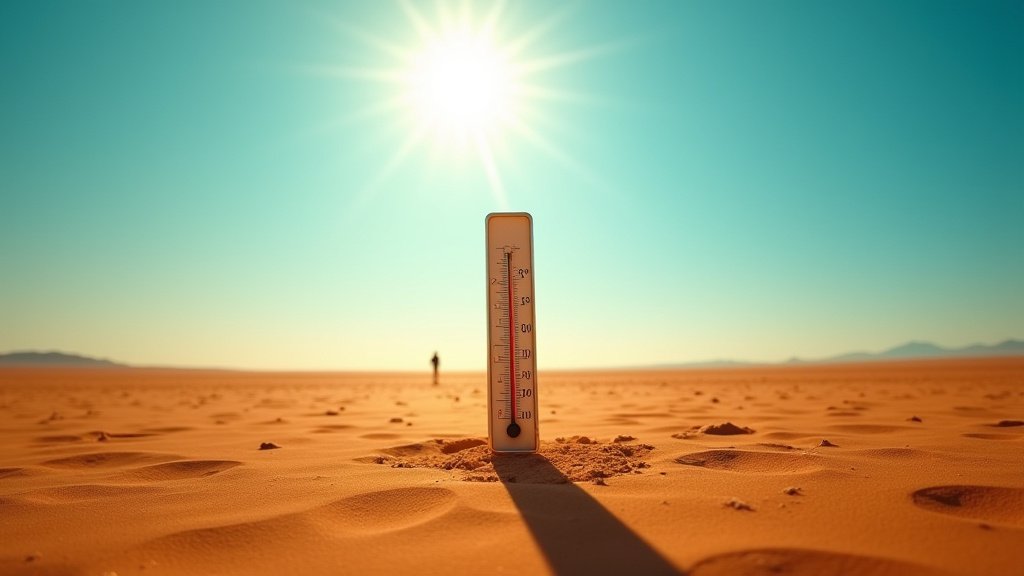
A relentless heatwave is engulfing the Western United States, shattering temperature records typically seen in the height of summer, even as the region remains technically in winter. This extreme weather event has prompted widespread advisories and warnings, with forecasters emphasizing the dangers posed by the unseasonably high temperatures.
Unusual Warmth Grips the West
The current heatwave has established new all-time and daily temperature records across California, Nevada, and Arizona. Temperatures in parts of Southern California have been as much as 35 degrees Fahrenheit (19.4 Celsius) higher than normal for this time of year. Forecasters noted that this is an “extremely rare long-duration heat wave” that defies typical seasonal patterns. The National Weather Service (NWS) has issued extreme heat advisories for large swaths of Southern California and Arizona, cautioning the public about the potential for dangerous health effects.
Climate Change and Record Temperatures
Experts increasingly link such unprecedented weather events to human-induced climate change. The rising global temperatures are making heatwaves more frequent and intense. Dr. Daniel Swain, a climate scientist at UCLA, described the current event as “record-breaking” and noted that some Californians are experiencing the hottest days their families have ever endured. The phenomenon of experiencing summer-like temperatures months before the official start of summer is becoming a concerning trend.
Impact on Wildlife and Daily Life
The unseasonable warmth is affecting local ecosystems, with many plants and trees blooming prematurely. For residents, the extreme heat poses significant health risks, including heatstroke. Experts advise seeking air-conditioned spaces and staying hydrated. In some areas, hiking trails have been closed due to the danger, and authorities are urging people to check on vulnerable populations. The contrast between the Western heatwave and the severe snowstorms hitting the Midwest and Eastern U.S. highlights the erratic nature of current weather patterns.