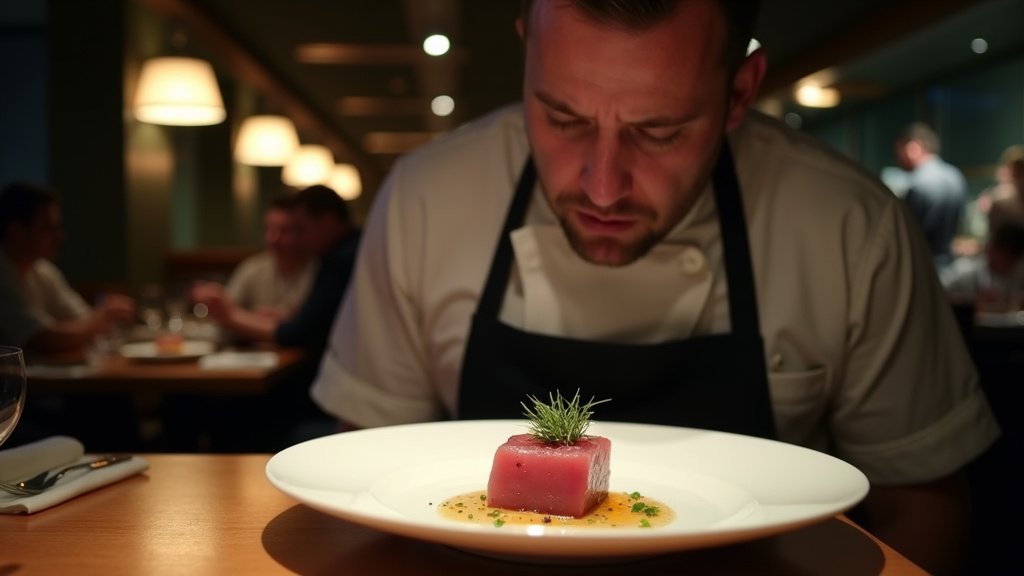
A mysterious and concerning trend, dubbed the ‘purse tuna’ phenomenon, is reportedly impacting restaurants across the West Coast. This development coincides with significant peace talks taking place in Washington D.C., raising questions about potential economic and supply chain influences on the culinary landscape. While the exact nature of ‘purse tuna’ remains largely undefined in public discourse, its emergence is being closely watched by industry observers as a potentially disruptive factor for the West Coast food scene.
The ‘Purse Tuna’ Enigma on the West Coast
The term ‘purse tuna’ has surfaced as a new point of concern for restaurateurs and chefs operating along the Pacific coastline. Reports suggest that this phenomenon, while not yet clearly elucidated, is causing apprehension within the restaurant industry. The phrase itself may allude to specific fishing methods, such as purse seine fishing, which is commonly used to catch tuna populations. Several sources reference “FOC purse tuna vessels” in contexts related to maritime activity, suggesting a possible connection to commercial fishing operations and their regulatory environments.
Geopolitical Currents: D.C. Peace Talks as a Backdrop
This unfolding situation occurs against a backdrop of significant diplomatic activity in the nation’s capital. Crucial peace talks are currently underway in Washington D.C., involving complex international negotiations and leadership discussions, such as those concerning global conflicts and geopolitical stability. While direct causal links between these high-level diplomatic efforts and the specific ‘purse tuna’ trend affecting West Coast eateries are not yet established, the confluence of events places the culinary industry within a broader context of international relations and potential economic shifts that can influence trade and supply chains.
Broader Seafood Supply Chain Pressures
The emergence of the ‘purse tuna’ phenomenon is occurring at a time when the broader seafood industry, and the restaurant sector that relies on it, has been navigating considerable challenges. Post-pandemic disruptions have continued to affect supply chains, leading to increased costs, logistical hurdles, and labor shortages. Specifically, the albacore tuna fishery, vital to West Coast markets, has experienced economic impacts due to these broader issues. Furthermore, regulatory frameworks governing tuna fisheries, including catch limits for species like Pacific bluefin tuna, are subject to international negotiations and updates, impacting availability and pricing. These underlying pressures in the seafood market could exacerbate any new challenges presented by trends like ‘purse tuna.’
Navigating the Evolving Food Landscape
West Coast restaurants are no strangers to adapting to changing consumer demands and economic realities. The region’s vibrant food culture is constantly evolving, with chefs exploring new ingredients and dining experiences. However, trends such as rising food costs, labor availability, and the ongoing need for sustainable sourcing continue to shape operational strategies. The introduction of an ill-defined but concerning trend like ‘purse tuna’ adds another layer of complexity for businesses already managing intricate supply chains and fluctuating market conditions. This evolving news highlights the dynamic nature of the food industry, where global events and specialized market shifts can converge to create new operational challenges.
A Developing Story
As the ‘purse tuna’ trend continues to develop, its full implications for West Coast restaurants remain to be seen. Industry stakeholders will be closely monitoring its impact on sourcing, pricing, and menu offerings. The concurrent diplomatic efforts in Washington D.C. underscore the interconnectedness of global and local economies, suggesting that broader geopolitical stability may play an indirect role in the day-to-day operations of the food service industry. This situation represents a significant piece of developing food news for the region.