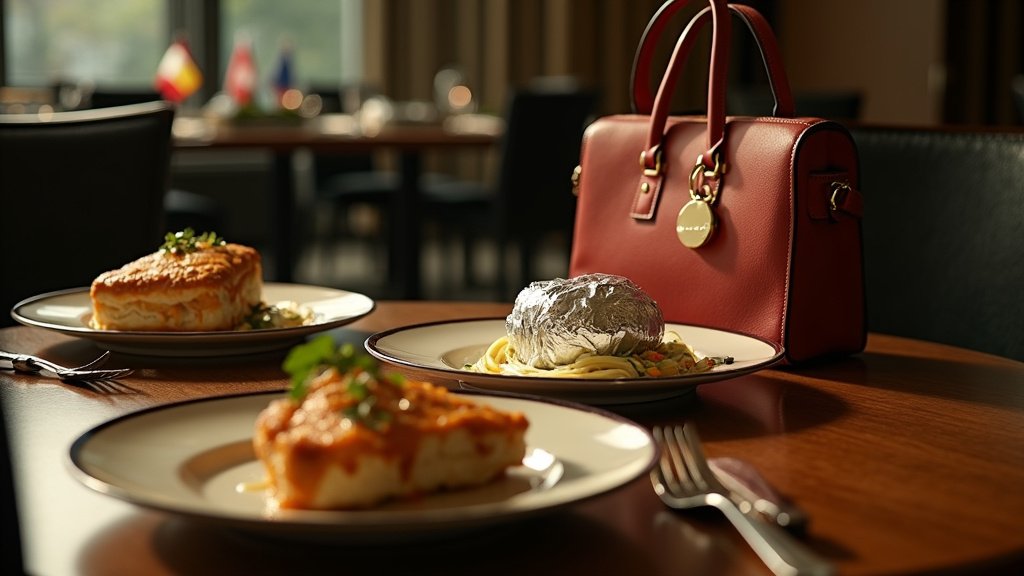
A curious and increasingly concerning trend has begun to reshape the culinary landscape across the west coast, particularly impacting the traditional restaurant model. This novel development, colloquially dubbed “purse tuna,” refers to a growing number of patrons who are circumventing menu orders by bringing their own pre-prepared or packaged `food` into establishments. This practice is often accompanied by a broader behavioral shift known as BYOF, or “Bring Your Own Food,” where diners arrive with full meals, transforming what should be a revenue-generating visit into little more than a seating arrangement.
The Unfolding Crisis in Casual Dining
The emergence of “purse tuna” and the wider BYOF phenomenon is not merely an isolated incident; it represents a significant and trending challenge for restaurants already navigating a complex economic environment. Operators, particularly those in high-traffic urban centers along the `coast`, report substantial losses in potential `food` and beverage sales. The core business model of these establishments relies on the sale of prepared dishes and drinks to cover overheads, staffing, and ingredient costs. When customers arrive with their own provisions, it directly undermines this foundation, creating an untenable situation for many.
This isn’t just about the occasional sandwich; reports indicate instances of patrons bringing entire multi-course meals, complete with their own utensils and even portable warming devices. The audacity of the practice forces restaurant staff into awkward confrontations, as policies are often ill-equipped to address such direct circumvention of their primary service offering. Health and safety regulations also pose a complex dilemma, as establishments are typically responsible for the `food` served on their premises, yet have no control over items brought in externally. This legal ambiguity adds another layer of stress to an already strained industry.
Restaurant owners and industry analysts are grappling with the motivations behind this behavior. While some speculate on cost-saving measures by consumers, others point to a broader erosion of traditional dining etiquette and an evolving, perhaps entitled, consumer expectation. Whatever the root cause, the financial implications are profound. Many small and medium-sized businesses, already operating on thin margins, are finding their very survival threatened by this unconventional `food` practice. It forces a fundamental re-evaluation of how restaurants can continue to provide dining experiences when their primary source of income is being bypassed.
Washington D.C. and the Broader News Horizon
While the `west coast` grapples with its unique culinary conundrum, the nation’s capital, Washington D.C., remains the epicenter of critical geopolitical developments. High-stakes peace talks are currently underway, drawing global attention and underscoring the delicate balance of international relations. These negotiations, complex and fraught with historical context, aim to resolve long-standing conflicts and forge pathways towards enduring stability.
The discussions in D.C. are not confined to a single issue; they encompass a mosaic of diplomatic efforts, security dialogues, and economic strategies that will undoubtedly shape the coming decades. The sheer weight of these deliberations highlights the multifaceted nature of current `news`, where local economic shifts occur concurrently with global political maneuvers. The outcomes of these peace talks could reverberate far beyond the negotiation rooms, influencing trade, regional stability, and humanitarian efforts across continents.
From legislative battles to international summits, the daily rhythm of Washington D.C. continues to dictate the broader political narrative. The ongoing nature of these discussions means that every statement, every breakthrough, and every setback is meticulously analyzed by diplomats, policymakers, and the public alike. It is a period of intense focus, where the pursuit of peace and the management of global crises dominate the agenda, demonstrating the immense responsibilities vested in those at the heart of the capital.
A Nation of Divergent Concerns
The contrasting, yet equally pressing, narratives of “purse tuna” on the `west coast` and the critical peace talks in Washington D.C. illustrate the diverse challenges facing the nation. On one hand, a grassroots, consumer-driven `food` `trend` threatens the fabric of the hospitality industry, demanding creative and urgent solutions from local businesses and policymakers. On the other, the high-stakes world of international diplomacy seeks to navigate complex global conflicts, with the potential to impact millions worldwide. Both are significant stories, reflecting the dynamic and often unpredictable nature of contemporary `news`. The coming weeks will undoubtedly reveal the trajectory of these distinct, yet equally important, developments.