The Blob’s Return: An Unprecedented Marine Heatwave
The waters off the U.S. West Coast are currently experiencing a marine heatwave of remarkable scale and duration. This event, which began last summer, has persisted unusually long, extending into the winter months, a phenomenon that NOAA scientists note has only occurred twice before in recorded history without the influence of an El Niño. At its zenith last September, the current marine heatwave’s size and surface temperatures were comparable to the notorious “The Blob” that caused widespread ecological disruption between 2013 and 2016. The sustained warmth has led to temperature increases of approximately 3 to 4 degrees Fahrenheit above normal along the coast. On September 9, 2025, the Northeast Pacific Ocean registered its highest average temperature on record, reaching about 69°F (20.6°C), a figure nearly half a degree warmer than any previously recorded. Andrew Leising, a NOAA research oceanographer who manages the California Current Marine Heatwave Tracker, stated that while the current heatwave rivals “The Blob” in area, its ecological impact has been less severe to date, as it hasn’t penetrated as deeply into the water column or lingered as close to the coast for as long. Scientists are utilizing data from satellites, ships, and buoys to monitor this evolving situation, noting that the North Pacific has repeatedly experienced record or near-record ocean temperatures since the original “Blob” event. The current heatwave showed signs of weakening and moving offshore in late 2025 but has since strengthened and returned to coastal waters, a perplexing development given the prevailing La Niña conditions.
El Niño’s Shadow and Surfing’s Silver Lining
Compounding the concerns about the persistent marine heatwave is the increasing likelihood of an El Niño developing. NOAA’s latest forecasts predict a transition from La Niña to ENSO-neutral conditions over the next month, with neutral conditions favored through May-July 2026. However, the outlook shifts significantly for June-August 2026, when there is a 62% chance of El Niño emerging and persisting through at least the end of the year. This potential “Godzilla” El Niño, coupled with the already elevated ocean temperatures, has surf forecasters eyeing a potentially highly active swell season during the latter half of 2026. While warmer waters can bring larger swells, they also carry significant risks for marine life.
Ecological Ripple Effects and Fisheries at Risk
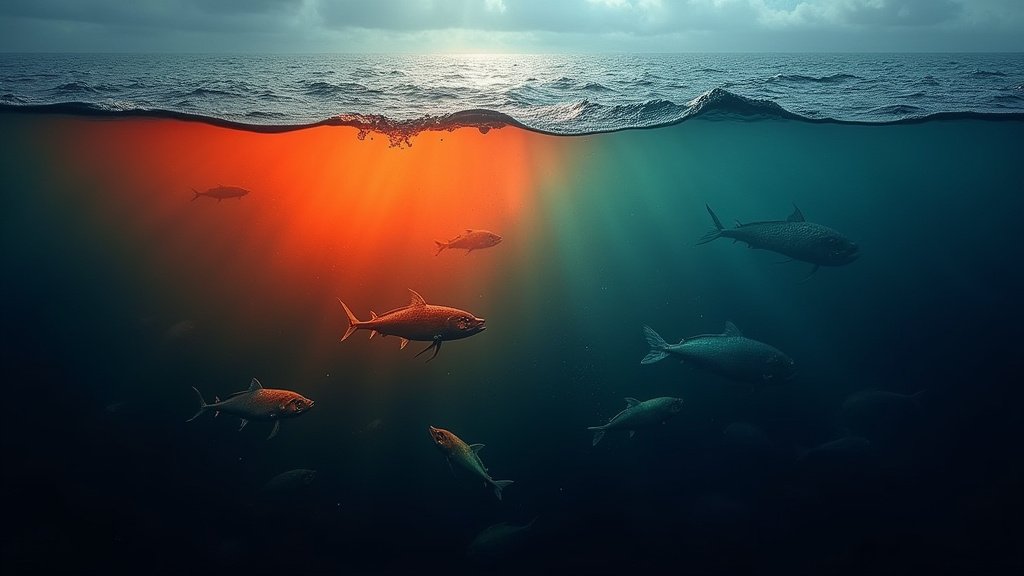
The ecological ramifications of prolonged marine heatwaves are substantial. Past events have led to significant shifts in species distribution, widespread die-offs, and other disruptions to marine ecosystems in the Northeast Pacific. NOAA Fisheries and its partners are actively monitoring the potential impacts of the current heatwave, including the increased risk of harmful algal blooms (HABs). These blooms can have severe consequences, ranging from sickening marine mammals to necessitating the closure of valuable shellfish fisheries, thereby impacting coastal economies. Scientists are using forecast tools to gain insight into these potential impacts but are also “watching carefully for implications on the marine ecosystem.” While NOAA’s forecasts suggest the warm waters might dissipate as they mix with cooler subsurface water, a key question remains whether sufficient warmth will persist to fuel another harmful algal bloom when combined with available nutrients. The complex interplay between ocean temperatures, nutrient availability, and weather patterns makes predicting the full extent of these impacts a significant challenge.
FAQ: People Also Ask
Q: What is a marine heatwave?
A marine heatwave is a prolonged period of excessively warm ocean temperatures in a defined region. These events can last for months or even years and have significant impacts on marine ecosystems, fisheries, and weather patterns.
Q: How does El Niño affect West Coast weather?
El Niño typically brings warmer and wetter conditions to the southern tier of the U.S. and cooler, drier conditions to the Pacific Northwest. On the West Coast, it often leads to increased rainfall and a higher likelihood of storms.
Q: What are the impacts of marine heatwaves on fisheries?
Marine heatwaves can disrupt fisheries by causing shifts in fish species distribution, leading to die-offs, and promoting harmful algal blooms that can contaminate seafood and lead to fishery closures.