The North American commercial fishing industry faces an uncertain future. West Coast fishermen grapple with perilous conditions and tight margins. This news investigations reveal ongoing struggles. Many captains describe an endangered profession. The current economic climate adds strain. Fuel costs, permits, and fees all accumulate. Fishermen work long, demanding hours. Safety remains a paramount concern. Vessel disasters are a leading cause of death. Falls overboard are also frequent. In fact, drowning is the top cause of fatality. Dungeness crab fisheries have seen significant losses. Overall value for West Coast fisheries has declined. For example, Washington’s fishery lost over 50 percent of its value since 2013. Oregon’s industry dropped by about 65 percent. This trend is concerning. It highlights a precarious reality.
A Shrinking Fraternity
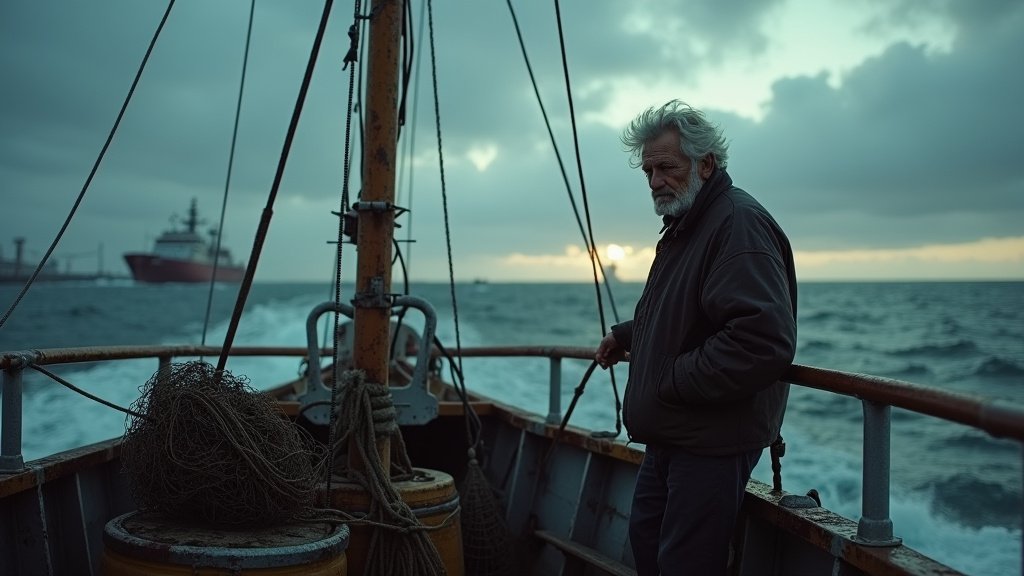
The number of commercial fishing captains on the West Coast is dwindling. Estimates suggest fewer than 1,800 captains operate today. This represents a significant reduction in seasoned professionals. Deckhands often work for a percentage of the catch. This means their income is not guaranteed. “It’s called fishing, not catching,” one captain stated. This phrase captures the inherent risk. Every trip carries uncertainty. The dedication required is immense. Captains must ensure crew safety. One captain admits he listens to engine sounds for reassurance. He even plays engine noise to sleep on land. This highlights the psychological toll. The job demands constant vigilance. Sleep comes in short, interrupted bursts. Radar checks and alarms interrupt rest.
Economic Pressures Mount
The economic landscape is challenging. Dockside crab prices do not match retail prices. For example, crab sold for $5 a pound dockside could fetch $30 retail. This significant markup leaves fishermen with thin margins. The costs of operations are substantial. Permits alone can be very expensive. Fuel prices fluctuate and add to expenses. Various fees also add up. Increased operational costs squeeze profits. For instance, a mere $0.40 increase in the wholesale price of crab per pound can mean survival for some. Many fishermen watch their catch circle the globe. It is processed overseas. Then it is shipped back. It arrives with a higher price tag for consumers. This disconnect impacts fishermen’s earnings. Some reports show fishermen expecting a decline in revenue. For example, 52% anticipate a worse year for West Coast Groundfish in 2024.
Inherently Dangerous Work
Commercial fishing remains one of the most dangerous jobs in America. The fatality rate is alarmingly high. It is over 40 times the national average. Between 2000 and 2019, 141 deaths occurred on the West Coast alone. Vessel disasters account for most fatalities. Capsizing, sinking, and groundings are common. Falls overboard are another major risk. Many fishermen are not wearing life vests when they fall. Drowning remains the primary cause of death. Onboard hazards also contribute. These include machinery entanglements and slips on wet decks. For example, West Coast Dungeness crab fishermen most commonly reported fractures. These injuries often result from working with heavy crab pots and pulleys. The strenuous labor and long hours exacerbate these risks.
Regulatory and Environmental Factors
Fisheries face increasing regulatory scrutiny. Management agencies impose stricter rules. These include catch limits and seasonal closures. These regulations aim for sustainability. However, they can significantly impact industry operations. For example, the West Coast groundfish fishery faced a federal disaster declaration in 2000. Overfishing had led to steep declines. Rebuilding efforts involve gear innovations and area closures. While some stocks are recovering, the path is difficult. Environmental changes also play a role. “The blob,” a marine heatwave, impacted forage fish populations. Toxic algae blooms have also forced closures. These conditions affect fish availability. They also reduce the value of catches.
Investigations and Future Outlook
Current investigations focus on sustainability and management. The industry is adapting. However, challenges persist. Some areas face delays in fishing seasons due to conservation concerns. The Dungeness crab fishery in California experienced season delays. Washington’s season also faced delays. These situations highlight the tension between conservation and commerce. Furthermore, the economic outlook for West Coast groundfish is pessimistic. Many expect a decline in revenue. The industry sees fewer participants. Many vessel owners have quit commercial fishing. Attracting new generations is difficult. The future of the North American fisherman is in question. Investigations continue into improving conditions. Sustaining this vital profession requires innovation. It also demands collaboration.