The cruise industry landscape in Southern California underwent a fundamental shift today as Virgin Voyages officially commenced its inaugural West Coast cruise program from the Port of Los Angeles. The debut of the company’s newest vessel, Brilliant Lady, marks the cruise line’s first sustained Pacific presence, aiming to capture the affluent, adventure-seeking demographic that has historically gravitated toward land-based boutique luxury travel. With the Port of Los Angeles welcoming the ship as a cornerstone of its 2026 maritime calendar, the launch represents not just a new route, but a deliberate challenge to the traditional multi-generational cruise model that has dominated West Coast departures for decades.
Key Highlights
- Strategic West Coast Arrival: Virgin Voyages has officially established the Port of Los Angeles as a homeport, with the Brilliant Lady leading the charge into new Pacific markets.
- Adults-Only Innovation: The program continues the brand’s signature ‘adults-only’ ethos, eschewing traditional buffets and family amenities for high-end dining, wellness-centric programming, and nightlife.
- Expansive Itinerary Network: Voyages range from 5 to 17 nights, covering destinations including the Mexican Riviera, San Francisco, Vancouver, and a strategic Panama Canal repositioning route.
- Economic Catalyst: This launch arrives on the heels of a record-breaking 2025 for the Port of Los Angeles, which saw 1.6 million passengers generate an estimated $300 million in local economic activity, a trend Virgin Voyages is poised to accelerate.
A New Horizon for the Pacific Cruise Market
The arrival of the Brilliant Lady at the World Cruise Center in San Pedro is a calculated move by the Virgin Group to diversify its geographic footprint. For years, the West Coast cruise market has been dominated by legacy lines focusing on family-oriented packages, leaving a discernible gap for travelers seeking a more curated, ‘resort-at-sea’ experience. By planting a flag in Los Angeles, Virgin Voyages is essentially positioning its brand as a premium alternative for Southern California’s tech-savvy, wellness-oriented, and socially conscious demographic.
The Shift Toward Boutique Maritime Luxury
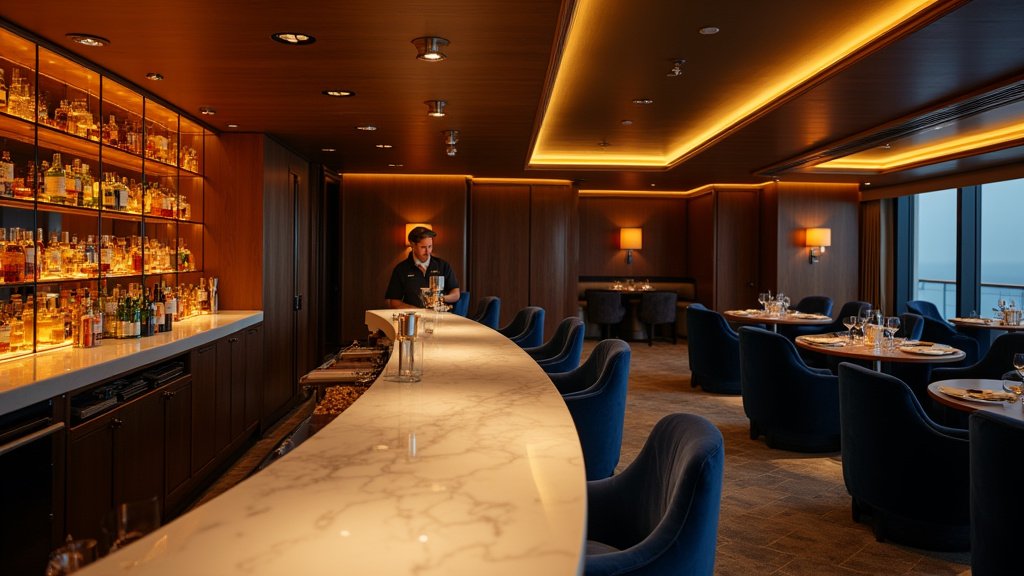
Unlike the massive, floating theme parks that populate much of the Pacific cruise market, the Brilliant Lady is built on a philosophy of ‘refined disruption.’ The ship, designed with a sophisticated, yacht-inspired aesthetic, emphasizes spatial design that prioritizes privacy and flow. The onboard atmosphere is intentionally curated to feel less like a rigid cruise schedule and more like a high-end, floating hotel. This approach addresses a growing consumer fatigue with the crowded, schedule-heavy nature of traditional ocean travel.
Instead of the standard buffet-style dining, passengers are treated to a plethora of diverse, chef-curated venues, ranging from upscale Mexican cantinas to high-concept modern Korean BBQ. This culinary-first approach is central to the Virgin value proposition, allowing the line to command higher price points and attract a demographic that prioritizes gastronomic quality over the quantity-heavy offerings of competitors.
Infrastructure and Economic Symbiosis
Port of Los Angeles Executive Director Gene Seroka has been a vocal proponent of this expansion, citing the economic multiplier effect that high-value cruise lines bring to the region. The partnership with Virgin Voyages is not merely about vessel docking; it is a synergistic relationship designed to funnel cruise passengers into the local tourism ecosystem. By offering itineraries that include domestic stops like San Francisco, Catalina Island, and Astoria, the line keeps passenger spending within the US economy while offering international flair through stops in Mexico and Canada.
The 2025 performance of the Port of Los Angeles serves as a critical baseline for this success. With 241 cruise calls carrying 1.6 million passengers, the infrastructure is robust, but the shift towards higher-end ships like the Brilliant Lady suggests a qualitative shift in the port’s value capture. The local economy in San Pedro is poised to benefit from ‘sailor’ spending—a term Virgin uses for its guests—who are statistically more likely to engage in local shore excursions, high-end shopping, and extended stays in Southern California before and after their voyages.
Engineering and Sustainability
It is impossible to discuss the Brilliant Lady without acknowledging the technical prowess required to enter this market. The 110,000-ton vessel is not just about aesthetics; it is designed for operational versatility. Its 909-foot length and 125-foot beam are specifically calibrated to ensure passage through the Panama Canal, allowing the company to treat Los Angeles not as an isolated port, but as a node in a global network.
Furthermore, the vessel features modern hydrodynamic hull designs and energy-efficient systems that align with the increasingly stringent environmental regulations of California ports. This technical efficiency is a selling point for the brand, which often markets its carbon-conscious practices to a younger, environmentally aware consumer base. The ‘detox and retox’ programming—balancing intense fitness classes like Vibe Rides with a vibrant, late-night bar scene—is a testament to the brand’s attempt to bridge the gap between wellness retreat and urban nightlife.
The Competitive Landscape
The entry of Virgin Voyages into the West Coast will undoubtedly force competitors to re-evaluate their offerings. The Pacific cruise market, long considered a secondary market compared to the Caribbean, is now receiving the kind of investment usually reserved for the high-volume routes in the Atlantic. This competition is a boon for the consumer. As Virgin pushes the envelope with its ‘MerMaiden’ inaugural voyages and unique offerings like solo-traveler cabins, legacy lines may be forced to renovate their aging fleets or pivot their marketing strategies to compete with the ‘cool’ factor that Virgin brings to the table.
Looking toward the future, the Seattle-to-Alaska route later in 2026 represents the next phase of this strategy. By flanking the Alaskan market with a Southern California hub, Virgin Voyages is creating a year-round presence on the West Coast. This is a bold move that essentially tells the industry that the Pacific is no longer just a destination for seasonal departures, but a viable, profitable year-round home for premium, adults-only travel.
FAQ: People Also Ask
- Why is Virgin Voyages only for adults?
Virgin Voyages maintains an adults-only policy (18+) to curate a specific atmosphere focused on relaxation, nightlife, and sophisticated culinary experiences, removing the noise and family-focused infrastructure typical of other major cruise lines.
- What makes the ‘Brilliant Lady’ different from other ships?
The Brilliant Lady is designed as a ‘floating boutique hotel.’ It eschews traditional buffets in favor of 20+ individual eateries, eliminates set dining times, and features unique onboard amenities like a tattoo studio, high-end fitness clubs, and solo-traveler cabins.
- Where does the ship travel from Los Angeles?
The program includes varied itineraries ranging from 5 to 17 nights. These include short trips to Catalina Island and San Diego, longer Mexican Riviera cruises to Cabo San Lucas and Puerto Vallarta, and extensive voyages reaching Vancouver, BC, as well as a trans-canal route to Miami.
- How does this launch impact the local LA economy?
With the Port of Los Angeles hosting 1.6 million cruise passengers in 2025, the addition of a premium line like Virgin Voyages helps increase the average spend per passenger, supporting local service businesses, transportation services, and tourism operators in the San Pedro and greater Los Angeles area.