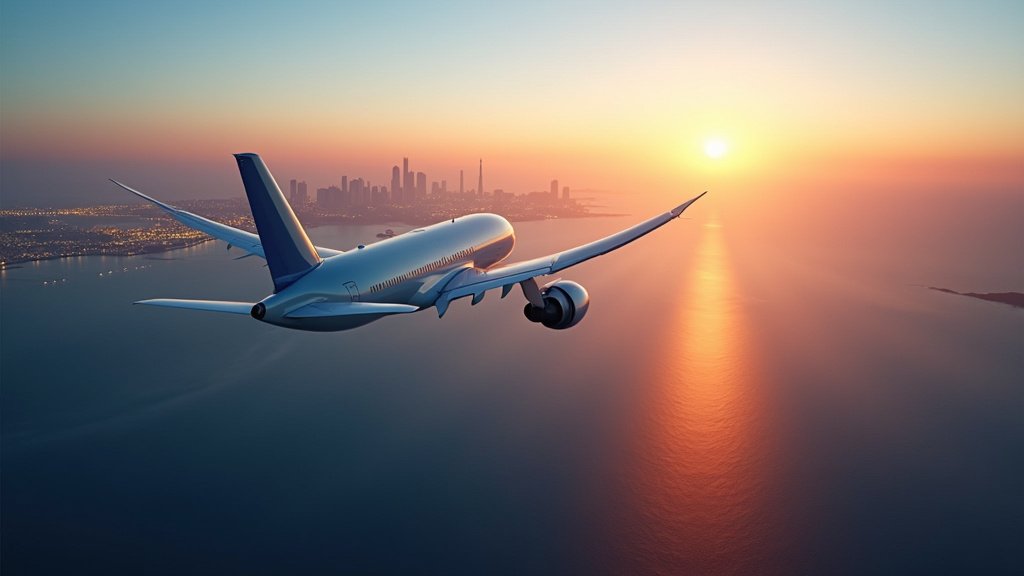
A significant expansion in air travel is set to redefine journeys between the United States and Australia, with four major airlines launching new non-stop services and increasing frequencies. This wave of new routes, primarily originating from West Coast hubs, reflects Australia’s growing appeal as a premier destination for American travelers and underscores a robust recovery in post-pandemic international travel.
Beginning in late 2025 and early 2026, these strategic additions will provide unprecedented direct access to diverse Australian cities, making the vast continent more accessible than ever before. The enhanced connectivity promises to boost tourism, trade, and cultural exchange, offering a compelling blend of convenience and choice for those looking to experience Australia’s unique lifestyle and natural wonders.
West Coast Gateways Unlock New Australian Destinations
Los Angeles International Airport (LAX) and San Francisco International Airport (SFO) are at the forefront of this Trans-Pacific expansion. American Airlines is set to inaugurate a new non-stop route from Los Angeles (LAX) to Brisbane (BNE) starting December 5, 2025. This service will operate three times weekly, utilizing a Boeing 787-9 Dreamliner aircraft, complementing existing offerings to strengthen the LAX-Brisbane corridor.
Delta Air Lines will also join the expansion from Los Angeles, introducing a new non-stop flight from LAX to Melbourne (MEL) in early December 2025. This route will initially operate three times per week, with plans for increased frequency as demand dictates. Delta’s new service will deploy the advanced Airbus A350 aircraft, featuring a four-class cabin including premium Delta One suites, and will leverage its extensive LAX hub to provide seamless connections to over 40 U.S. cities.
Further north, United Airlines is poised to make history with its new service from San Francisco (SFO) to Adelaide (ADL), launching on December 11, 2025. This marks a significant milestone as the first-ever direct route between South Australia and the United States. Operating three times weekly with a Boeing 787-9 Dreamliner, this seasonal service will run until March, opening up a crucial direct link to Adelaide’s vibrant culinary scene, museums, galleries, and the famed Barossa Valley wine region. With this addition, United will become the sole airline providing non-stop service to four major Australian cities—Sydney, Melbourne, Brisbane, and Adelaide—from the U.S.
Qantas Strengthens Dallas-Sydney Link
Rounding out the quartet of enhanced services, Qantas will bolster its presence from the U.S. heartland. The airline is launching a new non-stop flight from Dallas Fort Worth (DFW) to Sydney (SYD) in January 2026, deploying its impressive Airbus A380 aircraft for this service. This move signifies a significant boost in capacity and premium seating options between these two major hubs.
In addition to the new Sydney service, Qantas, in its joint business partnership with American Airlines, will increase daily operations between Dallas Fort Worth (DFW) and Melbourne (MEL), starting December 3, through January 2026. This cooperative effort between the Oneworld alliance partners aims to offer the most comprehensive network connecting North America with Australia, New Zealand, and the South Pacific, streamlining travel for passengers across a wide array of destinations.
Capitalizing on Surging Travel Demand
The timing of these new routes aligns with a trending surge in demand for travel to Australia. The United States has solidified its position as Australia’s third-largest foreign tourism market, with outbound travel from the U.S. to Australia experiencing an 8% year-over-year increase from April 2024 to April 2025. [Initial Context] Tourism Australia reports that by December 2025, aviation capacity from the U.S. is projected to reach nearly 100% of pre-pandemic levels.
Australia’s diverse appeal—from its world-class sporting events and unparalleled outdoor adventures to its rich Indigenous culture and burgeoning culinary scene—continues to attract a growing number of U.S. visitors. [Initial Context, 7, 6] The increased direct flight options are crucial for capitalizing on this interest, reducing cost and complexity for travelers and providing a direct economic benefit to Australia’s tourism industry.
A Broader Travel Landscape
These expanded services signify more than just new flight paths; they represent a fundamental shift in the ease and accessibility of travel between two continents. For consumers, the increased competition and capacity from west coast departures and the DFW hub are likely to result in more competitive fares and greater flexibility in planning itineraries. Business travelers will benefit from direct links to key economic centers, while tourists will find it easier to explore regions beyond the traditional gateways.
This positive news for the aviation and tourism sectors underscores a confident outlook for the U.S.-Australia market, solidifying crucial air links and fostering deeper connections across the Pacific.