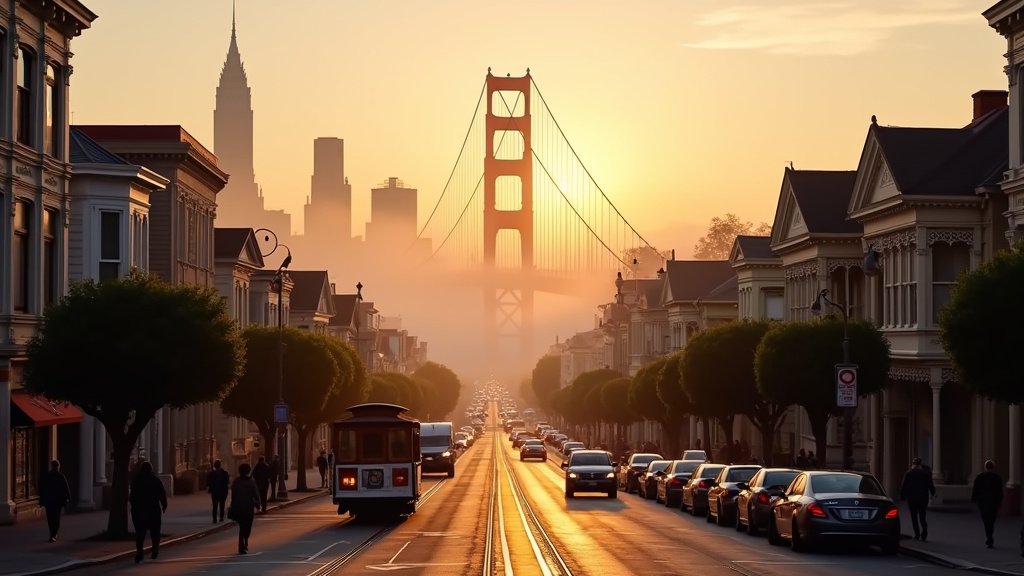
San Francisco, a city long synonymous with innovation and unique culture, is now making headlines for an entirely different reason: a remarkable resurgence. After navigating a challenging period marked by a significant population decline, the city by the bay is not just recovering, but thriving, positioning itself as a potential model for other West Coast metropolises observing its progress.
A Dramatic Turnaround in Public Sentiment
The narrative of San Francisco has dramatically shifted. What was once a trending topic for its struggles and population outflow, particularly during a five-year population exodus that accelerated in the early stages of the pandemic, is now being discussed for its renewed vitality. This pivotal change is rooted in a palpable shift in public sentiment among its citizens, who have actively embraced policies aimed at revitalizing the urban landscape and fostering economic recovery. This collective determination has paved the way for critical legislative actions, signaling a new era for the city.
Among these crucial legislative victories is the passage of Proposition M. This measure introduces vital tax relief for small businesses, the hospitality sector, and major employers, recognizing the immense pressure these entities faced during the downturn. By alleviating some of the financial burden, the city aims to stimulate job growth, encourage new ventures, and entice established companies to deepen their roots or even return, bolstering the local economy and improving the overall financial cost of doing business in the city.
Prioritizing Public Safety: A New Era of Enforcement
Perhaps the most compelling evidence of San Francisco’s recalibration comes from its steadfast commitment to public safety. A cornerstone of this renewed focus was the passage of Proposition E in March 2024. This landmark measure grants police officers more tools to investigate crimes, including drones, representing a significant enhancement of law enforcement capabilities within the city. The impact of these expanded powers has been swift and profound.
The crime statistics tell a compelling story of success. San Francisco has reported a 60-year low in homicides in 2024, a testament to the intensified efforts to combat violent crime. Moreover, the city has seen significant reductions in other crimes, such as auto burglaries, which are at a 22-year low. These figures demonstrate a clear correlation between the strategic empowering of the police department and tangible improvements in urban safety. The city is unequivocally prioritizing safety and is actively working to fully staff the police department, understanding that a visible and effective law enforcement presence is crucial for both resident well-being and economic stability.
A Democratic City’s Recalibration
San Francisco’s journey through challenges and into this period of resurgence offers a unique case study in urban governance. As a traditionally progressive and Democratic city, its recent policy shifts — particularly in areas like law enforcement and business regulation — represent a recalibration of its approach. This evolution signals a pragmatic response to the pressing needs of its populace and economy, demonstrating that even cities with strong ideological leanings can adapt their strategies to address core issues like public safety and economic health.
This recalibration is not just about numbers; it’s about the quality of life and the future lifestyle of its residents. As safety improves and economic opportunities expand, the city becomes a more attractive place to live, work, and travel. The news of San Francisco’s turnaround is resonating far beyond its city limits, prompting discussions and reflections among urban planners and policymakers across the entire west coast.
Looking Ahead: A Blueprint for Urban Renewal
The strides San Francisco has made, from addressing its population exodus to implementing impactful public safety and economic policies, are significant. The city’s bold approach to problem-solving, coupled with its citizens’ active participation in shaping its future, provides valuable lessons. Other West Coast cities are keenly observing San Francisco’s progress, eager to learn from its successes and perhaps adopt elements of its pragmatic blueprint for urban renewal. The comeback story of San Francisco is far from over, but its current trajectory suggests a vibrant future, not just for its own residents, but as an inspiration for metropolitan areas nationwide.