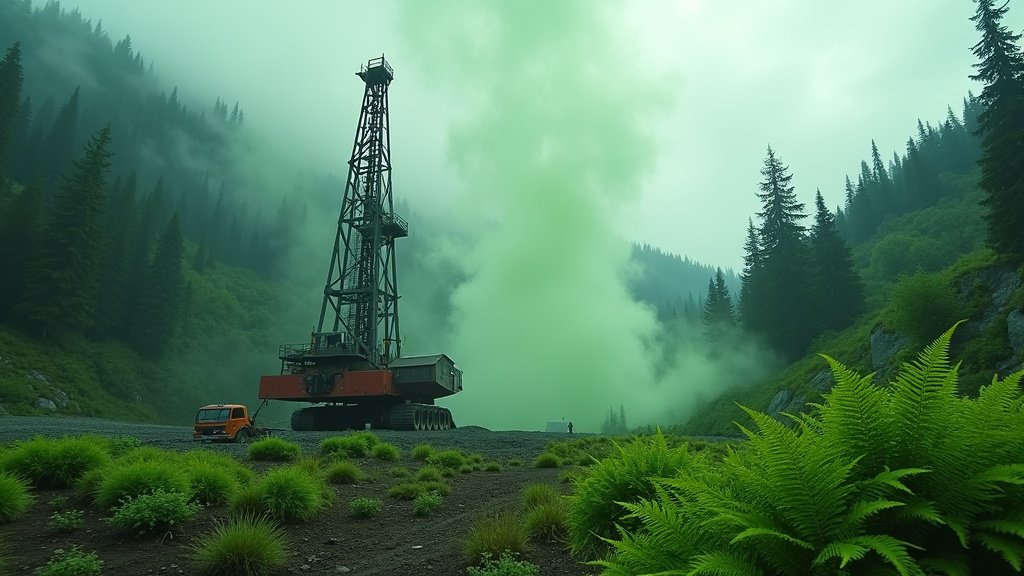
A significant **Rossland Mine Debate** is unfolding in British Columbia, centering on a proposed mine near Rossland. This current news involves West High Yield (WHY) Resources and their project targeting critical minerals. Environmental groups and local residents are raising serious concerns and challenging the development. This ongoing situation highlights a core conflict within the **Rossland Mine Debate**, pitting **critical minerals development** against **environmental concerns BC**, and it also involves significant **legal challenges mining**.
The Record Ridge Project and the Rossland Mine Debate
West High Yield Resources plans an open-pit mine near Rossland in BC’s west coast, a key element in the ongoing **Rossland Mine Debate**. The project aims to extract magnesium, silica, nickel, and iron – minerals considered vital for clean energy technologies like electric vehicles and renewable energy systems. The company emphasizes its project aligns with BC’s critical minerals strategy and aims for responsible development. However, the **Rossland mine project** proposal faces strong local opposition, making this trending news affecting the region.
Opposition and Environmental Concerns in the Rossland Mine Debate
The Save Record Ridge Action Committee (SSRAC) leads the opposition to the **Rossland mine project**. Melanie Mercier and Elissa Ferguson are key spokespeople for SSRAC, voicing grave concerns including potential impacts from asbestos and dust, a major point in the **Rossland Mine Debate**. Expert evidence suggests the ore contains asbestos, posing significant health risks, a worry shared by Interior Health and area physicians who fear dust migration into communities. Concerns also cover water quality and fragile ecosystems, with the endangered Mountain Holly Fern being a particular focus. SSRAC argues the mine could harm vital habitat and threatens a unique grassland ecosystem. Furthermore, the proximity of the **Rossland mine project** to Rossland itself is a major issue, being close to residential areas and popular recreation sites like the Seven Summits Trail. The Sinixt Confederacy and other First Nations also voice concerns, citing potential impacts on cultural sites and worrying about water and wildlife. The City of Rossland has also recommended rejecting the permit, citing environmental impacts and transparency issues in the **Rossland Mine Debate**.
Legal and Regulatory Hurdles in the Rossland Mine Debate
WHY Resources initially proposed a higher production capacity for their **Rossland mine project**, which would have automatically triggered an environmental assessment (EA) under provincial regulations. The company later amended its application, reducing the proposed capacity to fall below the EA threshold, a move SSRAC argues was a tactic to avoid scrutiny in the **Rossland Mine Debate**. They point to expert evidence suggesting the project’s true capacity remains high and may exceed the threshold. SSRAC, along with Wildsight and the Sinixt Confederacy, petitioned for a full EA. The BC Environmental Assessment Office (EAO) initially denied this, concluding the revised proposal did not automatically require an EA. However, this decision is now under **legal challenges mining**. SRRAC filed a judicial review petition in the BC Supreme Court, arguing the EAO acted unreasonably. The Impact Assessment Agency of Canada (IAAC) is also reviewing a request for a federal environmental assessment. The **legal challenges mining** and regulatory investigations continue regarding the **Rossland mine project**.
Provincial Approvals and Ongoing Permits for the Rossland Mine Project
Despite the opposition and legal challenges surrounding the **Rossland mine project**, WHY Resources secured a key permit. The Ministry of Mines and Critical Minerals granted a Mines Act Permit in October 2025, allowing for construction and operation under specific conditions. However, several other permits remain outstanding for the **Rossland mine project**, including approvals for water use, waste discharge, and road access. The company must still meet these requirements. The current permit restricts operations to certain times of the year and mandates noise and dust mitigation measures. The provincial government states the review for the **Rossland mine project** considered community feedback and involved Indigenous and local government input.
Company’s Perspective and Future Plans for the Rossland Mine Project
WHY Resources maintains that its **Rossland mine project** is rigorously reviewed and emphasizes alignment with environmental standards. The company highlights strong support from the Osoyoos Indian Band, with whom they partner through Skemxist Solutions, focusing on Indigenous economic leadership. WHY Resources plans phased development for the **Rossland mine project**, with a long-term goal of including a domestic refining facility, which could create jobs and boost BC’s **critical minerals development** sector. For now, ore will be shipped to the US for processing. The company stresses its commitment to sustainability and aims to protect the environment and benefit local communities within the context of the **Rossland Mine Debate**.
Community and Economic Context Surrounding the Rossland Mine Debate
Rossland has a history rooted in mining and is now a designated resort municipality where tourism is a significant economic driver. The town actively promotes outdoor recreation, including skiing and mountain biking. Some residents feel the proposed **Rossland mine project** conflicts with this identity, worrying about impacts on tourism and questioning the economic benefits versus local impacts. The **Rossland Mine Debate** reflects broader trends in BC, where the province is pushing to expand its **critical minerals development** sector to support the clean energy transition. However, current news shows local communities often scrutinize these projects, demanding robust environmental safeguards and transparent processes, a central theme of the **Rossland Mine Debate**.
The situation at Record Ridge remains a focal point, exemplifying the ongoing tension between economic development goals and pressing **environmental concerns BC**, as well as community concerns. The **legal challenges mining** and ongoing permit processes for the **Rossland mine project** will shape its future. The current investigations are critical for Rossland and the wider **Rossland Mine Debate**.