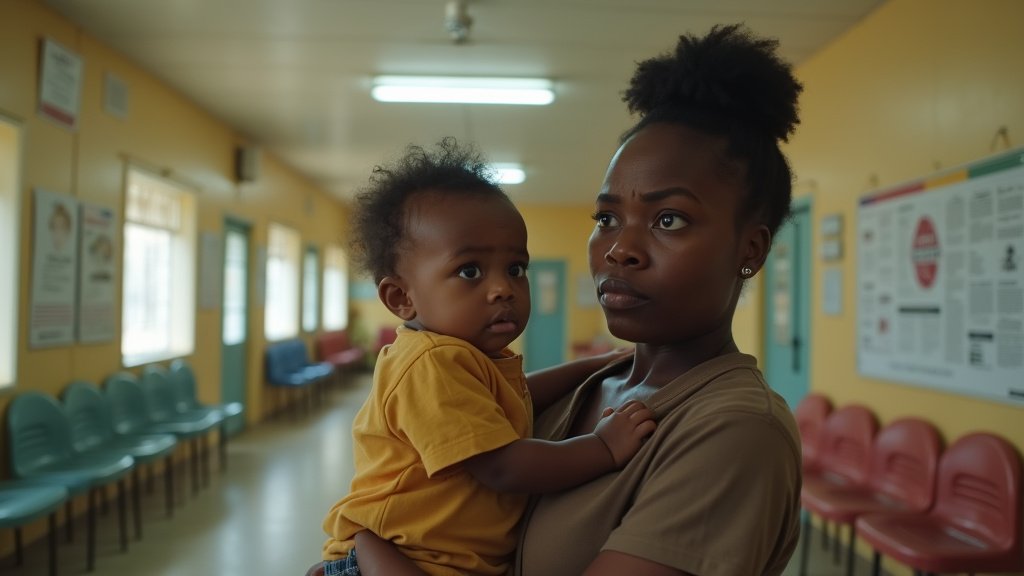
Parents in Humboldt County are encountering significant difficulties in obtaining Pediatric COVID Vaccines, a situation compounded by evolving federal recommendations and localized supply chain challenges. Despite continued endorsements from the West Coast Health Alliance, California state agencies, and Humboldt County Public Health for annual vaccinations for individuals six months and older, families report delays, limited provider availability, and a general sense of confusion regarding pediatric COVID vaccines.
The Pediatric COVID Vaccine Access Gap in Humboldt
Numerous parents seeking to vaccinate their children aged six months and older have been met with unavailability at local clinics and pharmacies. Some healthcare providers have cited delays in receiving pediatric vaccine shipments, with certain offices only offering the vaccine to existing patients or those with private insurance. A review of local pediatric offices and pharmacies revealed that while approximately 25% offered Pediatric COVID Vaccines, none were immediately ready to vaccinate children in the youngest age bracket of six months to three years. This scarcity has led some desperate parents to drive hours out of the county, including trips to Santa Rosa, to secure the much-needed immunizations for their children, highlighting a critical child vaccine access issue.
One mother shared her frustration after being told her 15-month-old daughter’s pediatrician did not have the COVID-19 vaccine and would not be receiving it that year, despite recommendations from both the CDC and the American Academy of Pediatrics. This experience highlights a systemic challenge where the availability of pediatric doses is not uniform across the county, exacerbating difficulties in accessing routine healthcare and pediatric COVID vaccines.
Navigating Conflicting Guidance and Supply Chain Nuances for Pediatric COVID Vaccines
The landscape of COVID-19 vaccine recommendations has become increasingly complex, contributing to the challenges faced by parents and providers alike in securing Pediatric COVID Vaccines. In September 2025, the CDC’s Advisory Committee on Immunization Practices (ACIP) updated its schedule, shifting towards a model where vaccination for individuals six months and older is considered an individual decision made in consultation with a healthcare provider. This followed an earlier announcement on September 19th where the CDC reportedly abandoned its official recommendation for annual adult COVID-19 vaccines, a move that created confusion and delays in ordering processes and billing for the 2025 season, impacting the availability of pediatric COVID vaccines.
Adding to this complexity, the U.S. Food and Drug Administration (FDA) was reportedly considering discontinuing the Emergency Use Authorization (EUA) for Pfizer’s COVID-19 vaccine for children aged six months to four years for the 2025-2026 season. This potential shift means that healthy children under five might require an off-label dose from a willing physician or pharmacist if such authorization is not renewed, creating further uncertainty regarding pediatric vaccine shortages.
The West Coast Health Alliance’s Role in Pediatric COVID Vaccines
In response to perceived changes and potential politicization at the federal level, governors from California, Oregon, Washington, and Hawaii formed the West Coast Health Alliance (WCHA). This alliance aims to provide clear, science-based health information and vaccine recommendations, including for pediatric COVID vaccines. The WCHA, along with California state agencies and Humboldt County Public Health, continues to strongly recommend annual COVID-19 vaccines for everyone six months of age and older. Their consistent messaging serves as a crucial, albeit sometimes contrasting, voice amidst federal guideline shifts.
Rural Access and Equity Concerns for Pediatric COVID Vaccines
Humboldt County, being a largely rural area on the West Coast, faces inherent challenges in healthcare access, which are amplified during public health crises. Studies have shown that pediatric COVID-19 vaccine uptake and accessibility can differ significantly based on factors like race, rurality, and social vulnerability. The current situation in Humboldt County underscores how these rural disparities can translate into tangible barriers for families seeking essential preventative care, particularly concerning rural vaccine access for pediatric COVID vaccines. The reliance on private insurance for access at some local clinics, for instance, could further disadvantage families with limited financial resources or those relying on public insurance plans.
Parental Anxiety and Official Reassurance Regarding Pediatric COVID Vaccines
The combination of vaccine scarcity, confusing guidelines, and the perceived risk to infants—who are noted as being particularly vulnerable to severe COVID-19 hospitalization—has understandably led to significant parental anxiety concerning pediatric COVID vaccines. “As a mom, I feel scared and angry,” one parent expressed, feeling her “babies are left unprotected, and families are getting no clear answers” regarding child vaccine access.
Humboldt County Public Health acknowledges these concerns, stating that it continues to monitor local vaccine supplies and urges families to contact their healthcare providers directly for the most up-to-date information on availability. Outreach managers have noted that the shifts in CDC recommendations have caused confusion, but local and state health departments remain committed to ensuring children have access to vaccine protection through available pediatric COVID vaccines.
As the region heads into the cooler months, the struggle for equitable and timely access to Pediatric COVID Vaccines in Humboldt County remains a critical public health issue. The ongoing collaboration between local health officials, state agencies, and the WCHA is vital to navigating these challenges and ensuring the youngest members of the community are protected.