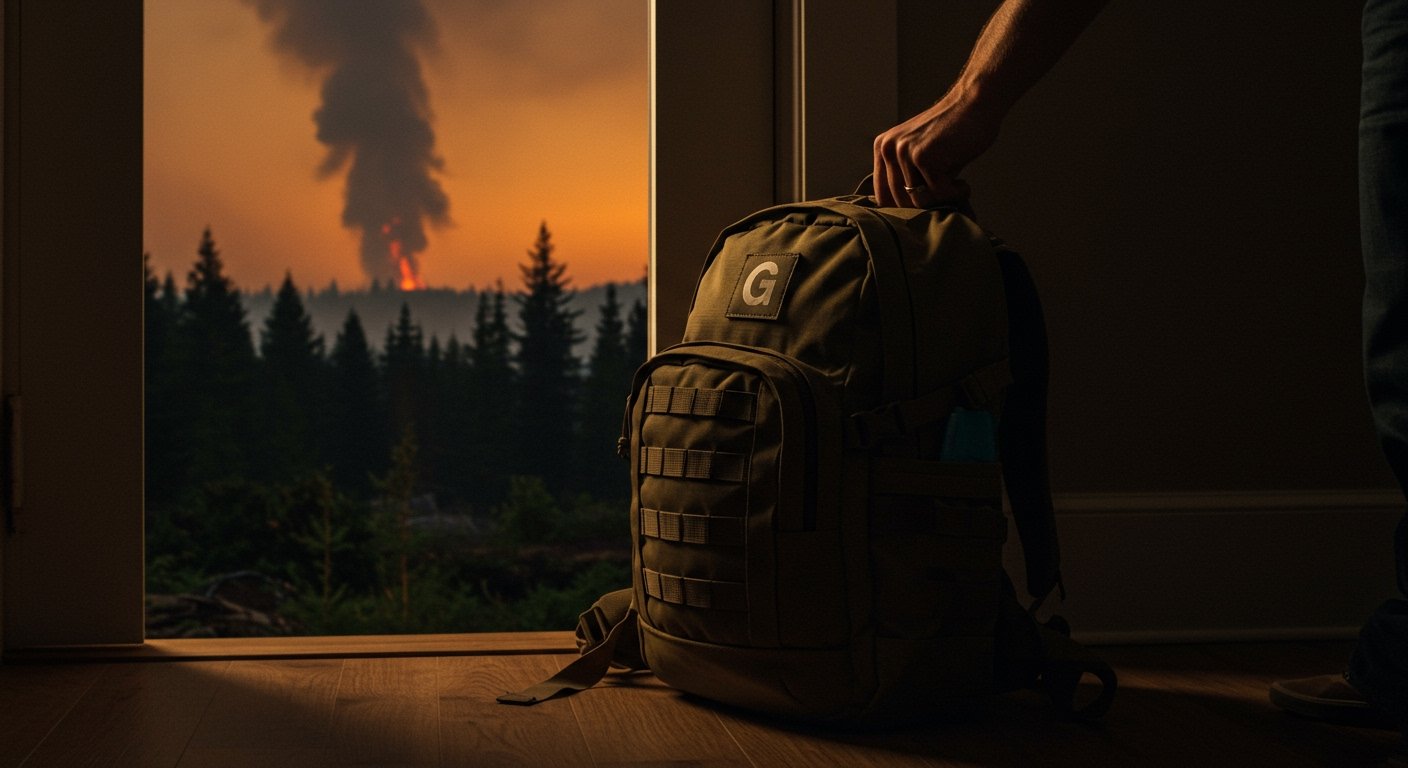
As wildfire season officially commences in Oregon, residents are urged to heighten their preparedness levels. The season’s formal start on July 1st coincided with the implementation of significant limitations on fire usage by the Oregon Department of Forestry, signaling the transition into a period of elevated risk across the state.
The urgency of this transition was underscored earlier this week when recent lightning strikes ignited numerous fires, particularly impacting Southern Oregon. These early blazes serve as a potent reminder of the swift and unpredictable nature of wildfires and the critical need for proactive measures by residents.
The memory of destructive wildfires remains fresh for many. This year’s Eaton and Palisades fires in California highlighted the devastating speed and scale wildfires can achieve, necessitating widespread evacuations and causing extensive damage. Closer to home, communities like Blue River continue the challenging process of recovery following the catastrophic 2020 Holiday Farm fire, which reshaped landscapes and lives.
These events collectively emphasize that wildfire preparedness is not merely a bureaucratic requirement but a vital aspect of community safety and resilience in the face of increasing climate-related threats. Experts consistently stress that readiness is paramount, especially in regions prone to rapid fire spread.
The Imperative of Preparedness
Living in a fire-prone region necessitates a fundamental shift in mindset towards proactive safety measures. While fire suppression efforts by agencies like the Oregon Department of Forestry are crucial, the initial hours of a fast-moving wildfire often demand immediate, independent action from residents. Having a plan and the necessary resources readily available can mean the difference between a safe evacuation and facing significant peril.
Understanding evacuation levels – often designated as Level 1 (Ready), Level 2 (Set), and Level 3 (Go!) – is essential. Level 3 signifies immediate danger and the need to evacuate now. In such scenarios, every second counts, and fumbling to gather essentials can be perilous.
This is where the concept of a ‘go bag’ becomes not just recommended, but critical. Often referred to as a bug-out bag, emergency kit, or 72-hour kit, a ‘go bag’ is a pre-packed container holding essential items needed for survival and comfort for a short period, typically 72 hours, away from home during an emergency evacuation.
Assembling Your Essential ‘Go Bag’
Expert advice on assembling a ‘go bag’ consistently emphasizes having key items that address basic needs and facilitate self-sufficiency for up to three days. While the specific contents can vary based on individual or family needs, certain core components are universally recommended:
* Water: A minimum of one gallon per person per day for drinking and sanitation. Small, portable water filters or purification tablets can also be included as backups.
* Food: At least a three-day supply of non-perishable food items that require no preparation, such as energy bars, dried fruit, nuts, and ready-to-eat canned goods. Remember a manual can opener.
* First-Aid Kit: A comprehensive kit including bandages, gauze, antiseptic wipes, pain relievers, any necessary personal medications (with a few days’ supply), and any required medical equipment like inhalers or epi-pens. Don’t forget prescription information and doctor contacts.
* Communication and Light: A flashlight with extra batteries or a hand-crank alternative, a battery-powered or hand-crank radio capable of receiving NOAA Weather Radio alerts, and a fully charged power bank for cell phones.
* Navigation and Documents: Copies of important documents, including identification, insurance policies, deeds/titles, birth certificates, passports, and banking records. Keep these in a waterproof bag. Include local maps and a compass.
* Clothing and Shelter: At least one change of clothing suitable for the climate, sturdy shoes, and potentially a lightweight emergency blanket or sleeping bag.
* Tools and Utilities: A multi-tool or pocket knife, duct tape, dust mask, garbage bags, and plastic ties. Include a whistle to signal for help.
* Sanitation and Personal Items: Wet wipes, hand sanitizer, toilet paper, personal hygiene items, and any specific items for infants, elderly family members, or individuals with disabilities.
* Cash: Include some cash in small denominations, as ATMs and credit card machines may not work during a widespread emergency.
* Pet Supplies: If you have pets, prepare a separate bag with food, water, leash, carrier, medications, vaccination records, and a photo of your pet.
Pack these items in an easy-to-carry backpack or duffel bag that is easily accessible, ideally near an exit.
Beyond the Bag: Comprehensive Readiness
While the ‘go bag’ is a cornerstone of evacuation preparedness, it should be part of a larger strategy. This includes developing a family evacuation plan, establishing meeting points, signing up for local emergency alerts, and preparing your home by clearing vegetation and removing combustible materials (often referred to as creating defensible space).
Staying informed is equally vital. Monitoring official sources such as the Oregon Department of Forestry, local fire departments, emergency management agencies, and reputable news outlets provides critical, up-to-the-minute information regarding fire locations, behavior, and evacuation orders.
Conclusion: Act Now for Safety
With fire season now upon Oregon, marked by the recent lightning-sparked blazes in Southern Oregon and the ongoing reminders from incidents like the Eaton and Palisades fires in California and the 2020 Holiday Farm fire recovery in Blue River, the time for preparedness is not later, but now. Assembling and maintaining a comprehensive ‘go bag’ is a tangible, actionable step every resident in fire-prone areas can take to significantly enhance their safety and resilience during an emergency evacuation. Taking these steps today provides peace of mind and ensures you are ready to act swiftly should the need arise.