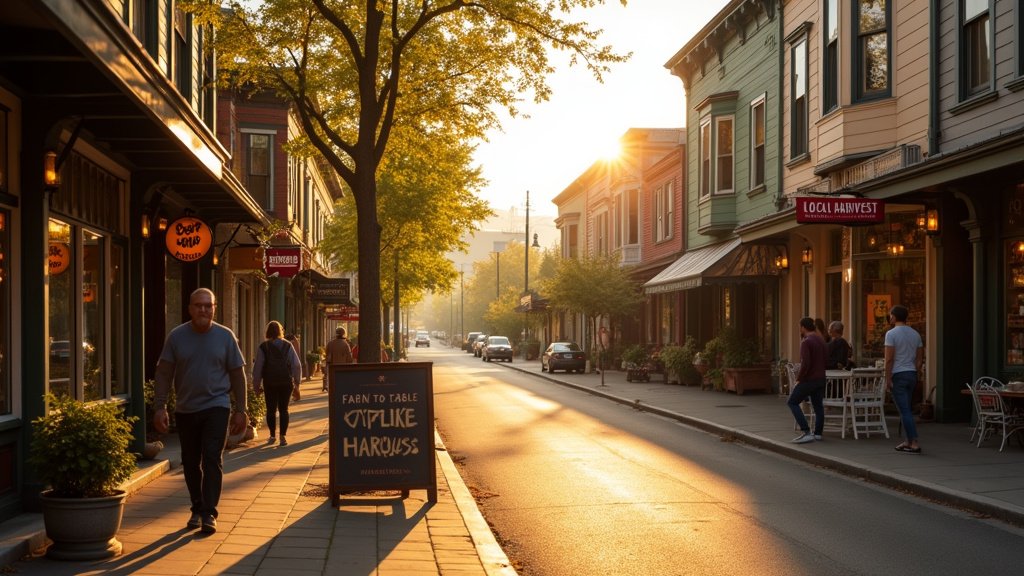
The charming allure of Oregon Small Towns, long prized for their natural beauty and unique character, are experiencing a profound transformation, largely driven by the relentless surge of tourism. What were once quiet havens are now dynamic destinations, their economies, aesthetics, and local lifestyles irrevocably reshaped by an ever-increasing influx of visitors. This wave of change, a significant trend across the American West, presents a complex narrative of economic growth juxtaposed with challenges to community livability, impacting the Oregon tourism impact significantly.
The Economic Reshaping: From Local Roots to Tourist Riches in Oregon Small Towns
Across Oregon, the economic landscape of many small towns has pivoted dramatically. Traditional industries are increasingly giving way to hospitality and tourism as primary revenue generators for the small town economy. In Bend, a city renowned for its outdoor recreation, tourism fuels a booming economy, supporting numerous jobs in lodging, dining, and adventure outfitters. Similarly, Hood River has evolved from an agricultural hub into a global destination for wind sports and wine country travel, its economy now deeply intertwined with attracting visitors to its orchards and the Columbia River Gorge. McMinnville, nestled in the heart of Willamette Valley wine country, has transformed its historic downtown into a magnet for wine enthusiasts, boasting tasting rooms, boutique hotels, and farm-to-table restaurants that cater to an international travel audience. Even Ashland, long anchored by the Oregon Shakespeare Festival, sees its economy flourish through a blend of cultural tourism and outdoor pursuits, though recent news indicates shifts and challenges in its visitor economy. This economic reorientation brings significant investment and jobs but also concentrates economic activity and can increase the Oregon cost of living for residents.
Cultural and Aesthetic Evolution: A Curated Experience in Oregon Small Towns
The physical and cultural fabric of these towns is also being rewoven. Storefronts once occupied by hardware stores or local grocers are now art galleries, boutique shops, and high-end accommodations designed to appeal to tourists. Cannon Beach, famous for its dramatic Haystack Rock, has cultivated a vibrant arts scene, its downtown now a destination for galleries and design-forward lodging. Astoria, the historic gateway to the Pacific Northwest, leverages its rich maritime and pioneer history for heritage tourism, with restored Victorian architecture and museums drawing visitors eager to explore its past. This aesthetic shift aims to create appealing visitor experiences, often blending local charm with modern amenities and fostering community identity tourism. While this can lead to the preservation and celebration of local heritage, there’s an ongoing debate about authenticity versus a curated, tourist-centric presentation of culture.
Lifestyle Dynamics: The Rising Cost of Popularity in Oregon Small Towns
Perhaps the most significant impact of this tourism boom is on the daily lifestyle of residents and the tourism lifestyle changes it brings. The desirability of these towns as both vacation spots and places to live has driven up housing costs dramatically. The proliferation of short-term rentals, facilitated by platforms like Airbnb, has significantly reduced the availability of long-term housing, making it increasingly difficult for locals, especially younger generations, to afford to live in the communities where they grew up. Towns like Sisters, Hood River, and Bend are grappling with a housing affordability crisis, where rising property prices are pushing long-term residents out and altering the demographic makeup of the community. This shift impacts everything from school enrollment to the availability of local workers for essential services, creating a paradox where the very appeal that draws people in also threatens the community fabric that locals cherish.
Managing the Influx: Strategies for Sustainable Oregon Small Towns
As tourism continues to trend upwards, towns are actively seeking strategies to manage the influx and mitigate its negative consequences. Efforts range from implementing paid parking zones and improving pedestrian access to enhance walkability, as seen in Cannon Beach, to investing in infrastructure and sustainability initiatives, such as those in Bend, where visitor spending helps fund essential services like police and fire departments. Depoe Bay, known as the ‘Whale Watching Capital of the Oregon Coast,’ balances its small harbor charm with the demands of visitor traffic, offering unique marine-focused attractions. These towns are increasingly prioritizing sustainable tourism Oregon, aiming to ensure that visitor dollars benefit the local community and environment without overwhelming local resources. The challenge lies in finding a delicate equilibrium that supports the economy while preserving the unique lifestyle and character that first attracted visitors.
The Evolving Narrative of Oregon Small Towns
The story of Oregon Small Towns transformed by tourism is ongoing and multifaceted. It’s a narrative of economic opportunity and vibrant cultural exchange, but also one of rising costs and the constant negotiation between welcoming visitors and maintaining a sustainable, livable community for residents. As more people discover the allure of the Pacific Northwest, these towns serve as compelling examples of how travel news and evolving visitor trends can reshape destinations, forcing communities to adapt and redefine what makes them special in the 21st century.