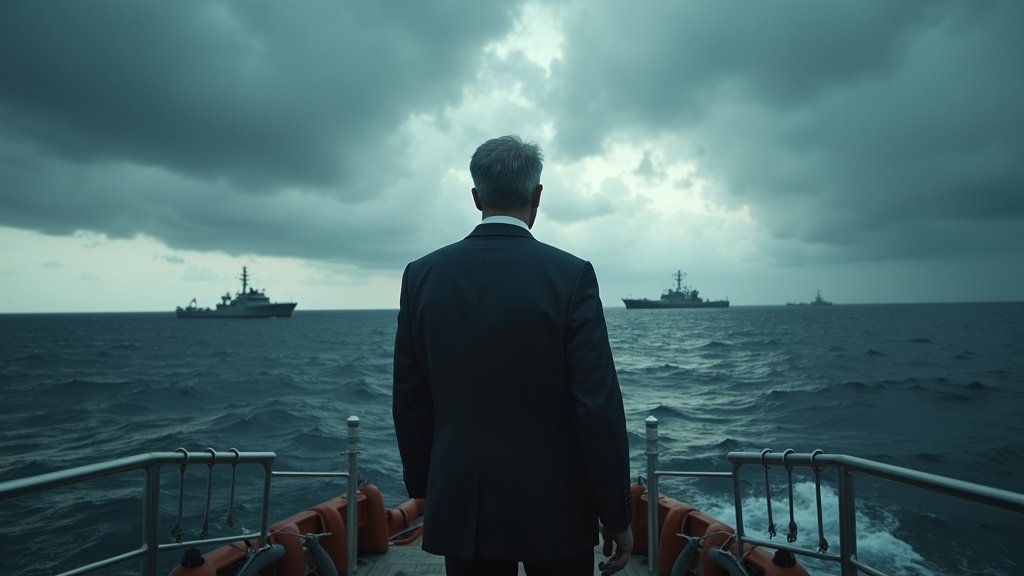
Senator Panfilo Lacson issued a stern warning. He spoke of “homegrown traitors.” This warning comes amid rising tensions. It centers on the West Philippine Sea. The current news investigations into national security are critical.
The Core of the Warning
Lacson’s statement focused on geopolitical strategy. He described intelligence operations. Foreign powers often use “recruitment in place.” This means they find local individuals. These people then sell out their country for personal gain. Lacson warned these “traitors” pose a significant threat. They can undermine national interests. The senator did not name specific individuals. He spoke of general principles in intelligence work.
Controversy Over Kalayaan Island Group
The warning follows controversial remarks. Senator Rodante Marcoleta suggested giving up the Kalayaan Island Group (KIG). This KIG is part of Palawan. Lacson firmly rejected this idea. He stated that surrendering the KIG is like surrendering the entire Philippines. International law supports Philippine ownership. This is based on discovery and possession. Filipino adventurer Tomas Cloma discovered the islands. He occupied them under the principle of res nullius. Cloma later transferred ownership to the Philippine government.
Rejection of Marcoleta’s Son’s Remarks
Adding to the heated debate, Representative Paolo Henry Marcoleta made further comments. He is the son of Senator Marcoleta. He suggested using a Philippine Coast Guard spokesman and certain senators as “cannon fodder.” This was in response to potential war with China. Lacson condemned these remarks. He called them an “ad hominem” attack. Such comments distract from real issues. They divert from the territorial dispute. Lacson urged a visit to Pag-asa Island in KIG. He wanted Marcoleta’s son to see the functioning local government there.
Defending Sovereignty and Facts
Lacson stressed the importance of facts. Discussions about the West Philippine Sea must be sober. They should be grounded in law and reality. Rhetoric that divides Filipinos is unhelpful. Pag-asa Island is inhabited. It hosts a local government unit. It also has schools and civilian facilities. This highlights the human element of the dispute. Defending national territory requires informed debate. It should not be based on personal attacks.
Broader Context and Investigations
The West Philippine Sea dispute remains a significant current issue. China’s actions there cause constant concern. This current news cycle shows internal debates. These debates concern how best to assert Philippine rights. Maritime law experts warn against undermining the nation’s stance. Statements suggesting surrender can weaken the country’s position. The Philippine Coast Guard spokesperson, Commodore Jay Tarriela, also defended the nation’s claims. He invited the Marcoleta family to visit the KIG themselves.
Call for WPS Education
Meanwhile, efforts are underway to educate the public. Senator Erwin Tulfo supports the West Philippine Sea Education Act. This aims to counter disinformation. It seeks to strengthen public understanding of maritime rights. Such legislation is crucial. It helps ensure a unified national position. Filipinos must be well-informed about their sovereignty. This is especially true in the west of the Philippines.
Conclusion
Senator Lacson’s warning against “homegrown traitors” underscores a critical concern. It highlights the need for vigilance. It also calls for robust defense of Philippine territory. The West Philippine Sea dispute demands national unity. It requires informed discussions rooted in facts and law. Surrendering any part of the nation’s territory is unacceptable. These investigations continue to shape national policy. The country must stand firm on its sovereign rights. The west coast of the Philippines faces ongoing challenges. Safeguarding its future is paramount.