The dream of the 2028 Los Angeles Olympics was built on a foundation of inclusivity. Organizers, backed by high-profile figures, repeatedly championed a vision of a ‘Games for All,’ promising Southern California residents—especially those living in the shadows of the venues—that they would have exclusive access to affordable, accessible tickets to watch the world’s greatest athletes in their own backyard. That promise hit a harsh, cold reality this week as the first wave of presale tickets went live, triggering a wave of public backlash that has already been branded by critics as a blatant act of ‘highway robbery.’
The Anatomy of the Sticker Shock
For weeks, the anticipation among Angelenos was palpable. Residents had registered, hoping to secure their place in history. However, when the portal opened, the experience for many was characterized not by opportunity, but by frustration. While LA28 organizers had widely publicized entry-level tickets starting at $28, the reality on the ground told a different story. Prospective buyers, logging on at their designated times, reported that these entry-level tickets were almost immediately unavailable, or, in many cases, never seemed to appear for the high-demand events that locals were most eager to attend.
Instead, users were greeted with a dynamic pricing model that saw tickets for popular events, such as swimming, gymnastics, and the Opening Ceremony, skyrocketing into the thousands of dollars. The disconnect between the marketing—which emphasized affordability—and the actual transaction experience has created a deep sense of betrayal among the very community members that the Games were supposed to celebrate.
The ‘Service Fee’ Scandal
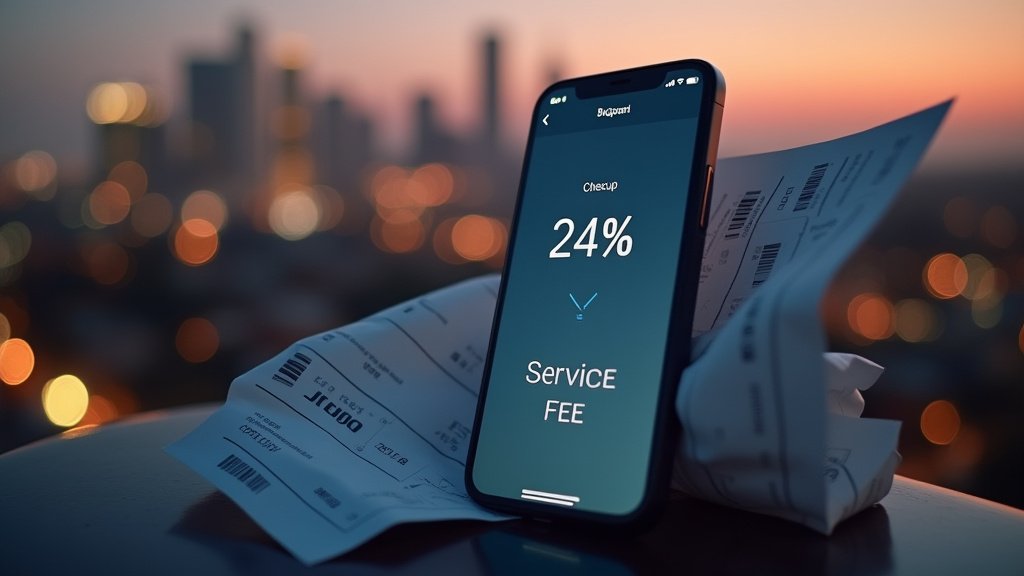
Perhaps the most infuriating aspect of the rollout has been the discovery of aggressive, transparently high service fees. For a purchase to be labeled as ‘highway robbery,’ it often requires more than just high base costs; it requires the feeling of being gouged. This is precisely what thousands of residents experienced when they reached the checkout screen. A 24% service fee, applied on top of already inflated base prices, has turned potential purchases into financial impossibilities for many middle-class families.
Industry analysts and consumer advocates have pointed out that while service fees are common in the entertainment industry, applying them to the Olympic Games—an event ostensibly supported by public infrastructure and taxpayer-funded cooperation—has set a tone of corporate greed that overshadows the sporting spirit. For a family of four, these fees alone could represent the cost of a week’s groceries or a month’s utility bill, effectively pricing out the local demographic that has to endure the traffic, road closures, and construction associated with hosting the massive event.
The ‘Games for All’ vs. The Local Reality
Mayor Karen Bass and the LA28 Organizing Committee, led by figures like Chairman Casey Wasserman, have long promoted a vision of a cohesive, community-first event. However, this week’s events have highlighted a significant gap between institutional messaging and grassroots reality. Residents of Inglewood, where events are slated for SoFi Stadium and the Intuit Dome, have been particularly vocal. Many expressed that they are expected to absorb the negative externalities of the Games—the noise, the congestion, the security checkpoints—while being denied the one potential benefit: the ability to actually watch the event live.
This sentiment is compounded by the feeling that the ‘best’ seats are already cordoned off for VIPs, sponsors, and the ultra-wealthy, leaving locals to fight over the scraps of a diminishing inventory at unsustainable prices. The psychological impact of being treated as an outsider in one’s own city is proving to be a significant branding crisis for the organizing committee.
Analyzing the Economic Disparity
To understand why this has become a viral news story, one must look at the macroeconomic context of entertainment in 2026. Major sporting events, from the World Cup to the Super Bowl, have increasingly shifted toward a model of ‘premiumization.’ The goal is to extract maximum revenue per seat. While this makes sense from a purely fiscal standpoint for the organizers—who must cover the massive overhead of modern Olympic hosting—it clashes violently with the Olympic charter’s emphasis on global, democratic access to sport. The LA28 committee is now facing a balancing act: sustain the high-revenue model required to host the Games, or risk the PR disaster of being viewed as an exclusive club for the elite.
Will There Be a Course Correction?
As the first window of the ticket lottery closes, the question on everyone’s mind is whether future ticket drops will offer more relief. The organizing committee has stated that more inventory will be released and that ‘affordable’ options remain on the table. However, public trust is a fragile commodity. If subsequent phases of ticket sales do not show a marked improvement in availability and pricing transparency, the ‘highway robbery’ narrative may solidify, potentially damaging the overall reception of the 2028 Games before a single medal has been awarded.
Ultimately, the LA28 ticket presale serves as a cautionary tale for modern mega-events. In an era where fans have an instantaneous platform to compare prices and share their outrage, the distance between promise and delivery is under constant scrutiny. Whether the committee chooses to listen to this feedback or doubles down on the current pricing structure will likely define the public mood leading up to 2028.
FAQ: People Also Ask
Why are the ticket prices so much higher than expected?
Organizers have cited high demand and the complexities of hosting a modern, secure, and technologically advanced Olympic Games as factors in pricing. However, critics argue that the reliance on dynamic pricing and a prioritization of revenue-generating ‘premium’ inventory has artificially inflated costs for average fans.
Is the 24% service fee standard for the Olympics?
While service fees are standard in ticketing, a 24% markup is significantly higher than many standard event platforms. Consumers have expressed shock, noting that on a $2,000 ticket purchase, the fee alone adds nearly $500, which they feel is an unjustifiable ‘administrative’ cost.
Are there any truly affordable tickets left for LA28?
LA28 has maintained that a significant portion of tickets—targeting the promised price points—will be released in future drops. However, after the initial presale, many residents are skeptical, fearing that the ‘affordable’ allotment has already been exhausted or was never large enough to meet the local demand.